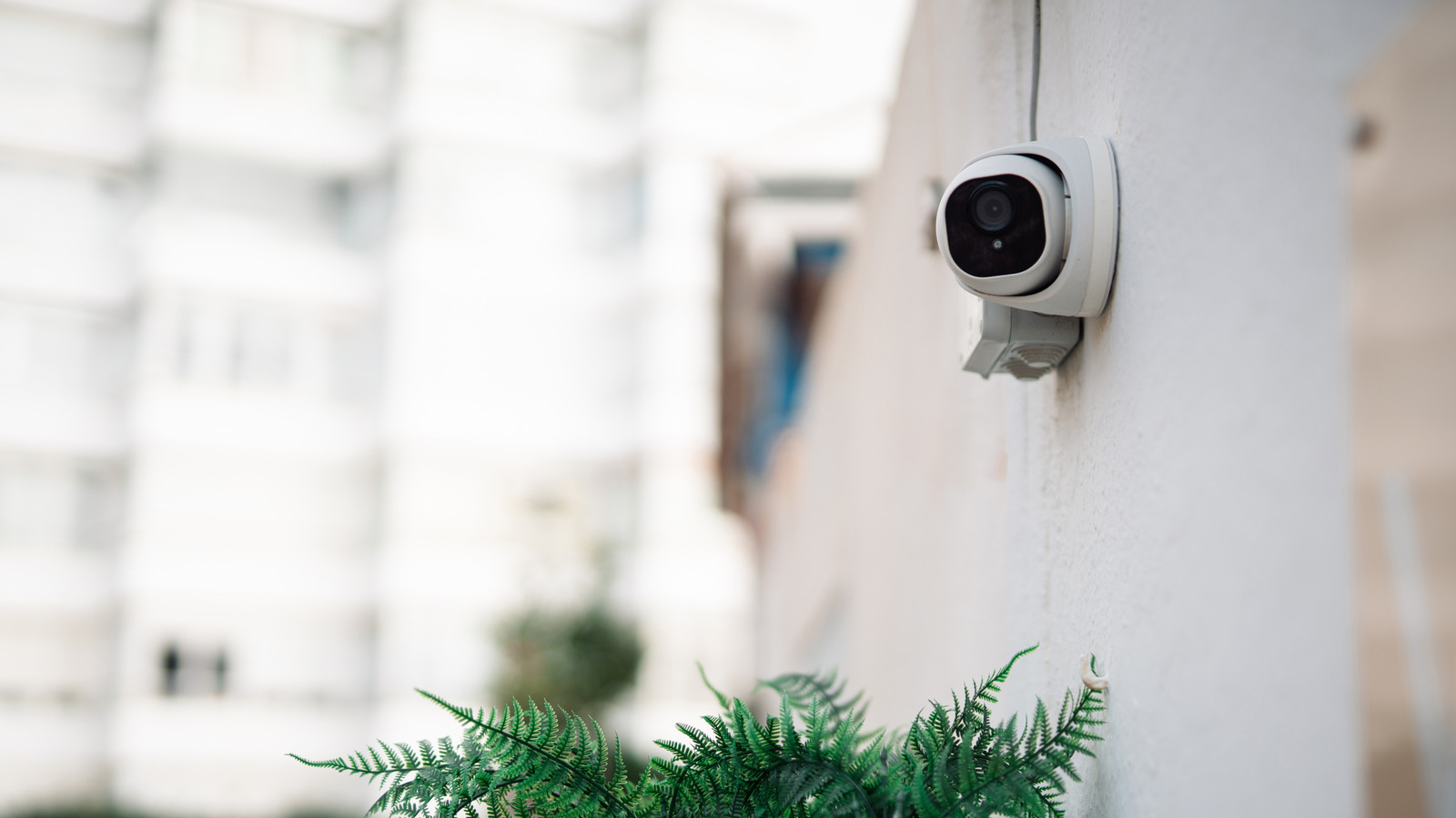
Quick Facts
- Top Placement Strategy: Use high vantage points at heights of 8-10 feet to keep devices above the natural line of sight.
- Primary Entry Risks: Focus coverage on the front door, as 34% of burglars use this entry point.
- Legal Limit: Recording in private areas like bathrooms or guest bedrooms is strictly prohibited by law.
- Market Trend: Smart indoor cameras accounted for approximately 39.8% of total smart home security camera market revenue in 2025.
- Tech Requirement: Prioritize 4K resolution over cheap 720p spy gadgets to ensure evidence remains useful for identification.
- Burglary Deterrence: While visible cameras deter 60% to 70% of burglars, hidden cameras are better for capturing unfiltered evidence.
Discover the ultimate setup for hiding indoor security cameras to protect your home without ruining your decor. We cover the best places to hide cameras indoors, from bookshelves to high ceilings, ensuring discreet security camera placement that captures every detail while remaining invisible to intruders. The most effective way of hiding indoor security cameras involves utilizing high-vantage points and environmental visual noise like crowded bookshelves or decorative fixtures to blend the device into the room's natural layout.
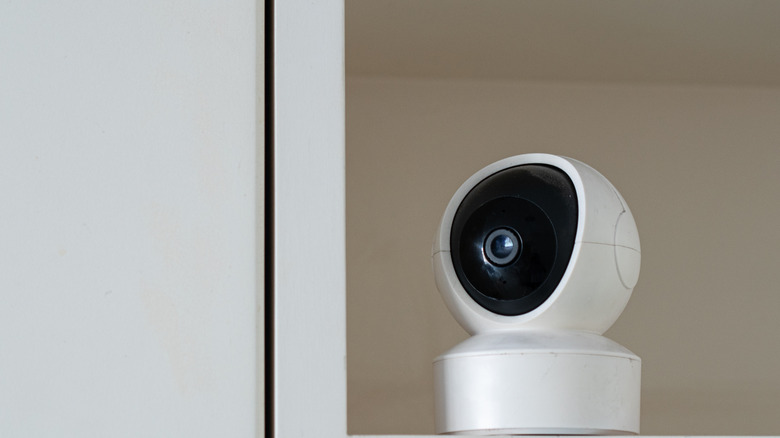
The Legal and Ethical Framework of Covert Surveillance
Before you start drilling holes or tucking lenses into teddy bears, we need to talk about the rules. In the world of smart home technology, the line between security and privacy can get thin. Surveillance privacy laws vary by state and country, but the general rule is based on a reasonable expectation of privacy. You can legally monitor common areas of your own home, but you cannot record in places where guests or inhabitants expect total privacy, such as bathrooms or designated guest rooms.
For those hiring household help, Nanny cam monitoring is generally legal for security purposes, but check your local statutes regarding audio recording. Many jurisdictions require one-party or all-party consent for audio, which is why many professional-grade hidden setups focus solely on video.
To further protect your household privacy, I always recommend using Micro-SD local storage. Storing your footage locally rather than on a cloud server ensures that your private moments aren't sitting on a third-party server. This is a critical step for privacy-conscious users who want the benefits of surveillance without the risks of data breaches.
Warning: Never point a camera toward a neighbor’s window or backyard. Even if the camera is inside your house, if it is capturing private areas of someone else's property, you could be facing a lawsuit or criminal charges.
Strategic Placement: Targeting High-Risk Entry Points
Effective security isn't about covering every square inch of your home; it is about covering the right spots. Research shows that 37% of households with children have adopted indoor security cameras, compared to 27% for those without. Whether you are watching the kids or protecting assets, you need to think like an intruder.
We use the DORI standard in the industry to evaluate camera placement. DORI stands for Detection, Observation, Recognition, and Identification. To achieve identification, your camera needs to be close enough to capture facial features. Placing a camera in a dark corner 30 feet away from the door might show you a person entered, but it won't help the police catch them.
High-vantage points are your best friend here. Most people rarely look up past their own eye level when entering a room. By placing your device in a ceiling corner or on top of a tall cabinet, you stay out of the immediate field of vision. When combined with a wide-angle field of view, a single camera can monitor a front door and a living room window simultaneously. Using PIR motion sensors helps reduce false alarms by ensuring the camera only triggers when it detects the heat signature of a human moving through these high-traffic zones.
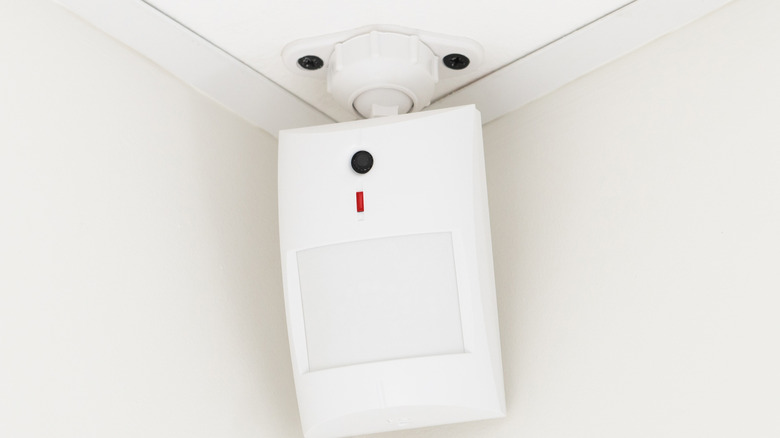
5 Creative Ways for Camouflaging Home Security Cameras
Camouflaging home security cameras requires a mix of creativity and technical awareness. You want the camera to be hidden, but you cannot block the lens or the sensors. Here are five expert-vetted methods for discreet security camera placement.
1. The Bookshelf Method
A bookshelf is a goldmine for hiding indoor security cameras. The varying shapes, sizes, and colors of book spines create visual noise that makes a small black lens almost impossible to spot. You can hollow out an old encyclopedia or simply tuck a small camera between two books. This is often the best places to hide cameras indoors because bookshelves are usually positioned to face the center of a room or a doorway.
2. The Plant Strategy
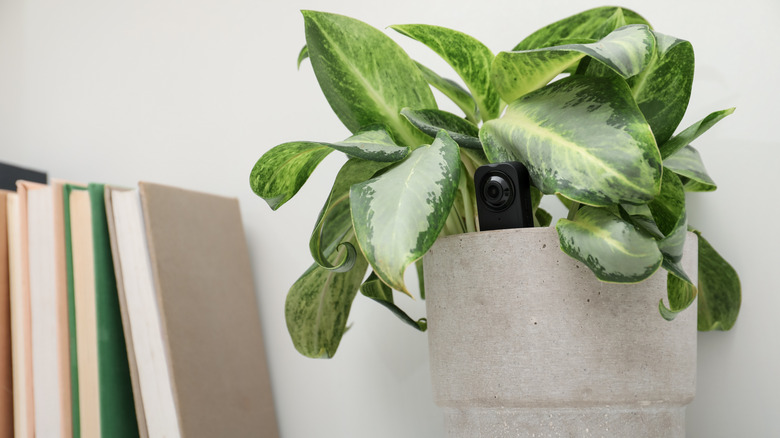
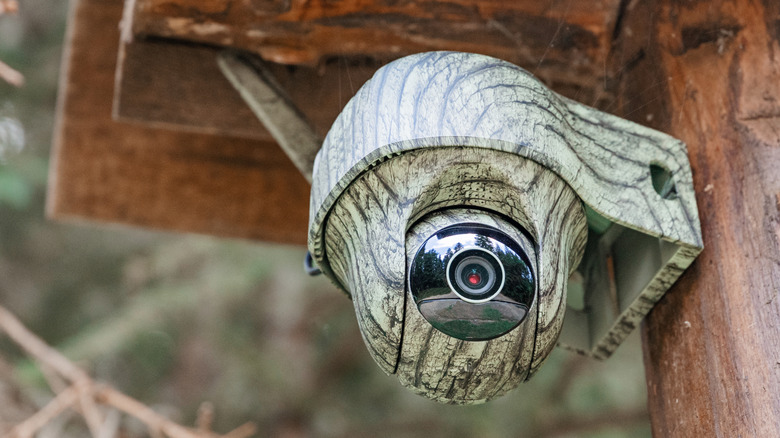
Indoor plants offer organic camouflage that breaks up the mechanical silhouette of a camera. You can use specialized camera skins that mimic leaf textures or wood grain to help the device disappear. Placing a camera deep within the foliage of a large potted plant provides an excellent vantage point. Just ensure the leaves don't blow in front of the lens when the AC kicks on, as this will trigger constant motion alerts.
3. Smoke Detector Housings
One of the most effective ways to get a top-down view is using disguised indoor security camera enclosures for living rooms that look like standard smoke detectors. While these aren't functional smoke alarms, they sit on the ceiling in plain sight. This provides a 360-degree perspective of the room. Since people are used to seeing smoke detectors, they rarely give them a second look.
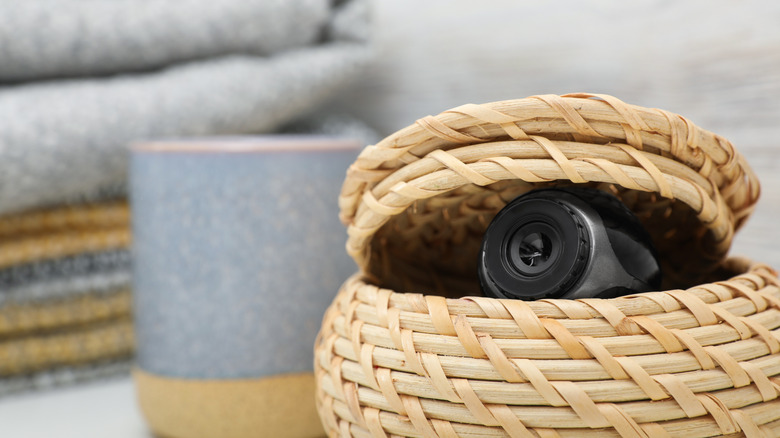
4. Decorative Objects and Wicker Baskets
Common household items like tissue boxes, hollowed-out clocks, or wicker baskets are perfect for covert surveillance devices. Wicker baskets are particularly useful because the weave allows for natural ventilation, preventing the camera from overheating, while providing enough gaps for the lens to see through without being obvious.
5. Using Architectural Features
If your home has crown molding, exposed wooden beams, or deep window sills, use them. Placing a camera along a dark beam and using a matching skin can make the hardware invisible to anyone standing below. This is especially effective for maintaining clear video quality in hidden camera setups because it allows the camera to be placed in an open area with good lighting.
Overcoming Technical Hurdles: Wires and Night Vision
The biggest giveaway of a "hidden" camera isn't the camera itself—it is the white power cord dangling down a beige wall. Solving the wire problem is essential for a truly discreet setup.
If you are hiding security camera wires without drilling, I recommend using adhesive cable tracks that can be painted to match your wall color. Alternatively, routing cables behind furniture or under baseboards can keep the setup clean. For the ultimate flexibility, battery powered hidden cameras for flexible indoor placement allow you to put a camera anywhere without worrying about an outlet. However, remember that battery-powered units often use PIR sensors to save energy, which can result in a slight delay before recording starts.
Another technical hurdle is Infrared night vision. Most indoor cameras use IR LEDs to see in the dark. If you place your camera behind a glass pane or inside a tight enclosure, that IR light will reflect off the surface and blind the camera. This is known as lens glare reduction. To avoid this, ensure the lens is pressed directly against the opening of your camouflage object or turn off the IR lights and use a low-light sensor with ambient room lighting.
Pro-Tip: When using cable management techniques, avoid sharp bends in your power or Ethernet cables. Over time, these bends can cause internal wire fatigue, leading to intermittent power loss just when you need the camera most.
FAQ
Where is the best place to hide an indoor security camera?
The most effective locations are high-vantage points like the corners of ceilings, the top of tall bookshelves, or inside decorative items like wicker baskets. These spots take advantage of the fact that most people do not look up when entering a room.
Is it legal to hide a camera inside your own home?
Yes, it is generally legal to hide cameras in common areas of your own home for security. However, it is strictly illegal to record in areas where there is a reasonable expectation of privacy, such as bathrooms or guest bedrooms.
How do I hide the wires of my indoor security camera?
You can hide wires by using adhesive cable channels painted to match your walls, routing cables behind large furniture, or running them under baseboards. For a completely wire-free look, consider using battery powered hidden cameras.
What common household objects can be used to hide a camera?
Bookshelves, silk plants, tissue boxes, and even hollowed-out wall clocks are popular choices. Wicker baskets are also excellent because they provide natural ventilation for the camera's electronics.
Are there security cameras that don't look like cameras?
Yes, there are many disguised indoor security camera enclosures available that look like smoke detectors, USB wall chargers, or even air purifiers. These allow for surveillance in plain sight without alerting intruders.
Final Thoughts on Stealthy Security
Maintaining a balance between stealth and performance is the key to successful home monitoring. While hiding indoor security cameras keeps them safe from tampering and preserves your home's aesthetic, you must never sacrifice video quality for the sake of a clever hiding spot. Always test your field of view during both day and night to ensure your discreet security camera placement actually provides the protection you need. By combining smart placement with legal compliance and technical optimization, you can create a seamless, invisible safety net for your home.