Quick Facts
- Recovery Rate: 82% of available lithium from high-salinity geothermal brines
- Purity Level: 99% battery-grade lithium fluoride output
- Processing Speed: Minutes per cycle compared to 12-18 months for solar evaporation
- Environmental Impact: Full destruction of hazardous forever chemicals via thermal decomposition
- Resource Efficiency: Significantly lower water and energy consumption than traditional mining
- Secondary Value: Simultaneous production of high-purity graphene as a valuable byproduct
PFAS lithium extraction is revolutionizing the industry by converting hazardous waste into battery-grade precursors. This sustainable chemistry approach uses electrothermal lithium extraction to achieve high purity lithium recovery methods that far outpace traditional brine ponds, solving the lithium supply crisis while remediating persistent environmental pollutants.
1. Temporal Efficiency: From Months to Minutes
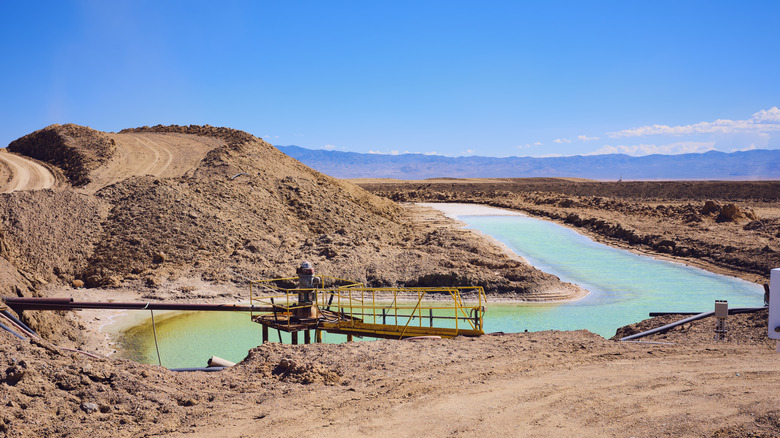
The global transition to electric vehicles has created a white-gold rush for lithium, but the traditional supply chain is notoriously slow. Conventional lithium brine mining relies on massive solar evaporation ponds, where salty water sits in the sun for 12 to 18 months to reach the required concentration. This temporal bottleneck is no longer compatible with the pace of modern battery manufacturing.
Researchers at Rice University have introduced a paradigm shift through electrothermal lithium extraction. This method utilizes a technique called Flash Joule Heating (FJH), or electrothermal fluorination (ETF). Instead of waiting for the sun to slowly evaporate water over thousands of acres, this process uses an ultra-fast electrical pulse to heat a mixture of lithium-rich brine and PFAS-laden waste.
The electrothermal lithium extraction process steps are remarkably streamlined. By passing a high-voltage current through a conductive carbon source mixed with the brine and PFAS, the internal temperature of the material spikes to over 1,000 degrees Celsius in a fraction of a second. This rapid thermal decomposition breaks down the waste and isolates the lithium almost instantly.
When looking at a lithium brine mining efficiency comparison, the difference is staggering. We are moving from a timeline measured in seasons to one measured in minutes. This speed allows for modular, compact facilities that can be deployed directly at geothermal sites or oilfield brine locations, eliminating the need for land-intensive evaporation infrastructure. This internal heating mechanism ensures that energy is applied directly to the reaction, rather than heating a massive external kiln or relying on ambient weather conditions.
2. Unmatched Purity through Selective Distillation
In the world of battery production, purity is everything. Traditional mining often struggles with high-salinity brines that contain high ratios of magnesium and calcium. These elements are chemically similar to lithium and are notoriously difficult to separate, often requiring multiple rounds of resource-heavy chemical treatment and mineral refinement.
This is where the unique chemistry of carbon-fluorine bonds becomes an asset rather than a liability. In the ETF process, the fluorine atoms from the PFAS waste act as a highly selective reagent. At the extreme temperatures generated by the electrothermal pulse, the fluorine reacts with the lithium in the brine to form lithium fluoride (LiF).
The brilliance of this method lies in the physical properties of the resulting compounds. Lithium fluoride has a boiling point of 1,676°C, which is significantly higher than many of the volatile contaminants found in raw brine. This allows for a process of selective distillation. By carefully controlling the electrothermal environment, the system can vaporize and remove unwanted impurities while keeping the lithium fluoride stable and concentrated.
Recent studies show that this method can recover 82% of available lithium from high-salinity brine at 99% purity. This level of high purity lithium recovery from PFAS-laden waste is achieved even when the magnesium-to-lithium ratio is as high as 60:1. For battery manufacturers, this means receiving a precursor that is ready for use without the need for extensive secondary processing.
Furthermore, PFAS-derived lithium fluoride battery performance stability has shown great promise. Because the extraction process yields such a high-grade product, the resulting battery cells maintain excellent ionic conductivity and long-term cycle life, proving that recycled waste can produce materials that meet or exceed the standards of virgin mined minerals.
3. The Circular Economy Advantage: Remediation and Byproducts
The most compelling argument for PFAS lithium extraction is its role in a circular economy. Historically, per- and polyfluoroalkyl substances (PFAS) have been an environmental nightmare. Known as forever chemicals, they are found in everything from firefighting foam to industrial coatings and do not break down naturally in the environment.
Instead of merely storing or burying these pollutants, the electrothermal fluorination process uses them as a critical resource. The extreme heat required for the reaction successfully achieves environmental remediation by shattering the incredibly strong carbon-fluorine bonds that make PFAS so persistent. This turns a hazardous liability into a functional reagent.
Beyond the destruction of toxins, the process yields a second valuable stream: graphene synthesis. As the PFAS and carbon sources are processed, the remaining carbon structure rearranges into high-purity graphene. This byproduct is a high-value material used in everything from advanced composites to the very battery electrodes that the lithium will eventually power.
This dual-purpose approach drastically changes the economics of mineral recovery. When considering the commercial feasibility of electrothermal fluorination for lithium, one must account for the offset costs of PFAS disposal and the added revenue from graphene sales.
Environmental analysis indicates that this method consumes less water and energy and has a lower global warming potential than the two most common commercial lithium extraction techniques. By reducing water and energy usage in lithium mining, the ETF method addresses the primary criticisms of the green energy transition—that we are destroying one part of the environment to save another.

Comparing Lithium Recovery Methods: ETF vs. DLE vs. Ponds
To truly understand the impact of this technology, we must look at how it stacks up against both traditional methods and the newer Direct Lithium Extraction (DLE) technologies. While DLE is a significant improvement over evaporation ponds, it often requires large amounts of freshwater for rinsing and relies on specialized adsorbents that can be expensive to maintain.
| Feature | Solar Evaporation Ponds | Direct Lithium Extraction (DLE) | Electrothermal Fluorination (ETF) |
|---|---|---|---|
| Processing Time | 12 - 18 Months | Hours to Days | Minutes |
| Recovery Rate | 40% - 50% | 60% - 90% | 82% |
| Purity Level | Lower (Requires Refinement) | High (90%+) | Ultra-High (99%) |
| Water Usage | High (Evaporative Loss) | High (For Rinsing/Solvents) | Minimal |
| Land Footprint | Massive (Thousand of Acres) | Moderate | Small (Modular Units) |
| Waste Management | Salt Tailings | Spent Adsorbents | Destroys PFAS / Produces Graphene |
The comparison shows that while DLE is a step forward, the PFAS lithium extraction method offers a unique combination of speed, environmental remediation, and byproduct value. Scaling up PFAS lithium extraction for industrial mining is the next logical step for a world that needs millions of tons of lithium but cannot afford the environmental or temporal costs of old-school mining.
FAQ
What are PFAS chemicals in lithium extraction?
In this specific electrothermal process, PFAS chemicals act as a source of fluorine. When heated to extreme temperatures, the PFAS molecules break down, and the fluorine reacts with lithium in the brine to create lithium fluoride. This allows for easier separation of lithium from other minerals like magnesium and calcium.
Is PFAS used in direct lithium extraction (DLE)?
Generally, no. Traditional DLE methods typically use polymer-based adsorbents, ion-exchange resins, or membranes to capture lithium ions from brine. The use of PFAS as a reagent is specific to the newer electrothermal fluorination (ETF) or Flash Joule Heating methods developed to tackle both waste remediation and mineral recovery simultaneously.
Are there PFAS-free alternatives for lithium recovery?
Yes, the majority of the current lithium industry uses PFAS-free methods, such as solar evaporation and standard DLE. However, these methods do not provide the same benefit of destroying forever chemicals and often have a higher environmental footprint in terms of water usage and processing time compared to the electrothermal PFAS-assisted method.
Can PFAS be removed from lithium extraction wastewater?
One of the major benefits of the electrothermal method is that it doesn't just "remove" PFAS from wastewater; it destroys them. By subjecting the PFAS-laden waste to temperatures exceeding 1,000 degrees Celsius, the chemical bonds are completely broken, turning a toxic substance into harmless minerals and valuable carbon byproducts like graphene.
Why are PFAS used in the lithium supply chain?
PFAS have been used in various industrial processes due to their heat resistance and water-repellent properties. In the context of this new extraction technology, they are used because their high fluorine content makes them an ideal chemical partner for isolating lithium. This turns a common industrial pollutant into a vital component of the battery supply chain.