
Quick Facts
- Sleep Benefit: Avoiding blue light prevents a 55% suppression in melatonin levels.
- Morning Productivity: Users save an average of 7 hours per week by keeping phones out of the bedroom.
- Heavy Sleeper Solution: Twin bell mechanical designs can reach 110dB, louder than a power lawnmower.
- Reliability: Mechanical systems eliminate the risk of alarm failure from overnight software updates.
- Maintenance Variety: Options range from 30-hour manual wind-up cycles to 12-month quartz battery life.
- Health Impact: Switching to a dedicated clock reduces leisure screen time by nearly 50%.
Using an analog alarm clock supports better sleep hygiene by removing smartphone distractions and blue light exposure from the bedroom. It provides a reliable, low-tech solution that eliminates the risk of alarm failure due to phone software glitches or battery drain.
The transition from smartphone dependence to a more intentional morning begins with the simple act of switching from phone alarm to analog clock. While we have grown accustomed to the convenience of a multipurpose device on our nightstands, this proximity often creates a bridge between our resting state and the high-stress environment of digital notifications. By returning to a traditional analog alarm clock, you effectively reclaim your bedroom as a sanctuary for rest rather than a hub for connectivity.

The Science of Sleep Hygiene: Analog vs. Digital
The impact of modern technology on our sleep patterns is more than just a matter of distraction; it is a physiological disruption. Research indicates that using a smartphone as an alarm clock is associated with a 1.8-fold increase in leisure time spent on mobile devices, averaging nearly 15 hours per week compared to just 8 hours for those who use a dedicated alarm clock. This increased screen time, particularly in the hours before bed, wreaks havoc on the circadian rhythm.
Our bodies rely on environmental cues to regulate the sleep-wake cycle. The blue light exposure emitted by smartphones mimics daylight, signaling to the brain that it is time to remain alert. Clinical studies have shown that two hours of exposure to blue light from electronic screens before bedtime can suppress melatonin production by approximately 55 percent and delay its onset by an average of 1.5 hours.
Beyond the chemical impact, there is the psychological burden of smartphone addiction. A survey by the American Academy of Sleep Medicine found that 87 percent of Americans sleep with their smartphone in the bedroom. This habit increases the risk of sleep disruption from digital notifications and encourages the phenomenon of "revenge bedtime procrastination," where we stay up late scrolling to make up for a perceived lack of control during the day. An analog alarm clock offers a low-tech alternative, featuring a luminous dial that provides just enough visibility to see the time without the melatonin-crushing glare of a high-resolution screen.
Mechanical Reliability: Why High-Tech Fails
One of the most common justifications for using a phone is the perceived reliability of a digital system. However, high-tech devices are prone to low-tech failures. An overnight software update can occasionally cause a phone to restart and disable an alarm. A charging cable that slips out of its port can lead to a dead battery by morning. In contrast, mechanical alarm clocks offer a level of consistency that digital counterparts struggle to match.
When choosing between manual wind up vs battery alarm clocks, it is important to understand the mechanical reliability inherent in both. Manual wind up alarm clocks operate entirely without electricity or chemical batteries. They require a rhythmic, daily engagement where you wind a key to tighten a mainspring. This makes them immune to power outages and perfect for those who embrace minimalism and sustainability. Battery-powered versions typically utilize a quartz movement, which uses a small crystal to maintain precise timekeeping. These are incredibly low-maintenance, usually requiring a single battery change once every year.
| Feature | Manual Wind-Up | Quartz Battery Powered |
|---|---|---|
| Power Source | Physical tension (Spring) | AA or AAA Battery |
| Reliability | Works through power outages | Independent of grid power |
| Maintenance | Requires daily/30-hour winding | Battery replacement once a year |
| Durability | High (Metal components) | High (Reliable metal frame options) |
| Sound Profile | Traditional rhythmic ticking | Often includes silent sweep options |
For those who value longevity, looking for reliable metal frame analog alarm clocks ensures that the device survives the occasional accidental knock off the nightstand. Unlike the fragile glass of a smartphone, these sturdy instruments are built to last for decades rather than just a few upgrade cycles.
Finding Your Match: From Heavy Sleepers to Light Sleepers
The diversity of the analog market means there is a solution for every type of sleeper. We often categorize users into two main camps: those who need a physical jolt to wake up and those who require a peaceful, undisturbed environment to fall asleep.
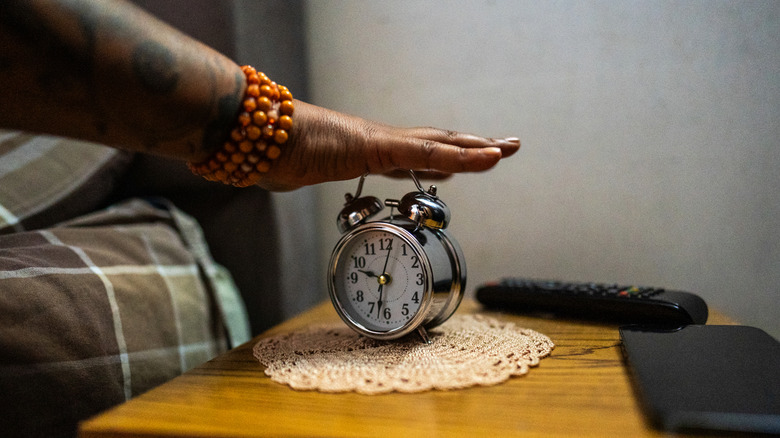
For the first group, the best analog alarm clocks for heavy sleepers almost always feature a twin bell design. This setup involves two metal bells and a small hammer that strikes them rapidly, creating a mechanical ring that can reach up to 110 decibels. This is significantly more effective than the compressed, digital audio files used for phone alarms. Models like the JALL Analog Alarm Clock have mastered this classic aesthetic, providing loud alarm clocks for heavy sleepers that can rouse even the deepest slumberer from across a room.
Conversely, light sleepers often complain about the persistent ticking sound associated with vintage mechanisms. Modern engineering has solved this through the development of silent non ticking analog alarm clocks. These devices utilize a continuous sweep movement rather than the traditional step-second movement. This allows the second hand to glide smoothly around the dial, removing the "tick-tock" noise that can be a source of anxiety during a quiet night.
Beyond functionality, there is an undeniable aesthetic appeal to using vintage style mechanical alarm clocks for bedroom decor. These pieces serve as a tactile reminder to slow down. The physical interaction of setting the alarm—turning a dial or flipping a switch—creates a mental boundary between your day and your night.
FAQ
Why should I use an analog alarm clock instead of a smartphone?
Using an analog clock removes the temptation to check emails or social media immediately upon waking or right before bed. It also eliminates blue light exposure, which is proven to suppress melatonin and disrupt the quality of your sleep. By keeping the phone out of reach, you improve your sleep hygiene and start your morning with a clear, focused mind.
Are analog alarm clocks better than digital?
While digital clocks are accurate, they often feature glowing LED displays that can be too bright for a dark bedroom. Analog clocks are generally considered better for sleep hygiene because they have no backlit screens. Additionally, the mechanical nature of an analog alarm clock is often more durable and reliable during software glitches or power interruptions that might affect a phone or a smart home device.
Do all analog alarm clocks make a ticking sound?
No, not all analog models tick. While traditional mechanical alarm clocks are known for their rhythmic ticking, many modern quartz versions feature a silent sweep movement. If you are a light sleeper, you should specifically look for silent non ticking analog alarm clocks to ensure a quiet environment.
How do you tell if an analog alarm clock is set for AM or PM?
Most basic analog alarm clocks operate on a 12-hour cycle, meaning the alarm will trigger whenever the hour hand reaches the alarm setting. To avoid it going off in the evening, most users simply turn the alarm on after they have finished their evening routine and turn it off once they wake up. Some advanced models include an AM/PM indicator, but the manual "on/off" ritual is part of what makes them effective for a digital detox.
Are analog alarm clocks more reliable than phones?
Yes, in many ways they are. A phone alarm can fail due to a drained battery, a silent mode setting, or a system update that causes a reboot. An analog alarm clock, especially a wind up alarm clock or a quartz model with a fresh battery, has fewer points of failure. The mechanical bells are also much harder to ignore or accidentally snooze compared to a touchscreen interface.
Conclusion
Embracing the analog alarm clock is a commitment to a better morning routine and a healthier relationship with technology. In an era where we are constantly bombarded by data and notifications, the simplicity of a mechanical gear or a vibrating bell is a refreshing return to basics. Whether you are searching for the best analog alarm clocks for heavy sleepers to ensure you never miss a meeting, or a silent companion to help you navigate a digital detox, the shift away from the smartphone is a powerful step toward a more restful life.
By choosing a dedicated sleep accessory, you are not just buying a clock; you are investing in the quality of your rest and the clarity of your waking hours. Turn off the notifications, put the phone in another room, and let the mechanical precision of an analog timepiece guide you back to a natural, undisturbed circadian rhythm.