Quick Facts
- Market Milestone: 2026 represents a historic turning point where Apple has moved almost its entire flagship ecosystem to advanced display technology.
- Display Tech: Tandem OLED architecture, featuring a dual-stack design, is now the standard for the high-end Pro tablet and laptop lineup.
- MacBook Update: The long-awaited MacBook Pro refresh finally introduces OLED panels, offering a thinner chassis and perfect contrast.
- iPhone Status: The smartphone lineup is officially 100% LCD-free, following the transition of the budget-friendly iPhone 16e.
- Efficiency: The combination of 2nm M6 and A20 chips with LTPO display backplanes has pushed battery life to record-breaking levels.
- The Wait Factor: If you are holding out for an iPad Air with an OLED screen, early 2026 data suggests that transition is slated for 2027.
As of May 2026, Apple has officially reached its M1 Moment for display technology. From the iPhone 17 Pro Max to the long-awaited MacBook Pro redesign, almost every flagship device now features a premium OLED screen. This guide explores the entire 2026 lineup, explaining the advantages of tandem OLED technology and helping you decide which Apple OLED products are worth the upgrade.
The 2026 OLED Landscape: What to Know
The transition is now complete for the majority of the ecosystem. As of 2026, Apple has transitioned almost its entire flagship lineup to OLED technology. This includes every iPhone model from the iPhone 16e to the iPhone 18 Pro Max, all Apple Watch series using LTPO panels, the iPad Pro with tandem OLED, and the Apple Vision Pro’s micro-OLED displays. The first OLED MacBook Pro and iPad mini 8 are the highlights of the 2026 hardware refresh cycle.
For years, we discussed the trade-offs between Liquid Retina LCDs and the punchy colors of organic light-emitting diodes. By mid-2026, those debates have largely been settled. Apple has prioritized pixel-level dimming and professional-grade color accuracy across its mobile and smart devices. The primary reason for this aggressive shift is the maturation of the supply chain, particularly the ability to mass-produce panels that meet Apple’s strict requirements for peak brightness levels and display longevity. Whether you are looking for the entry-level smartphone or the most powerful creative workstation, your next Apple purchase will likely feature one of the best Apple OLED products to buy in 2026.
MacBook Pro OLED: The Wait is Finally Over
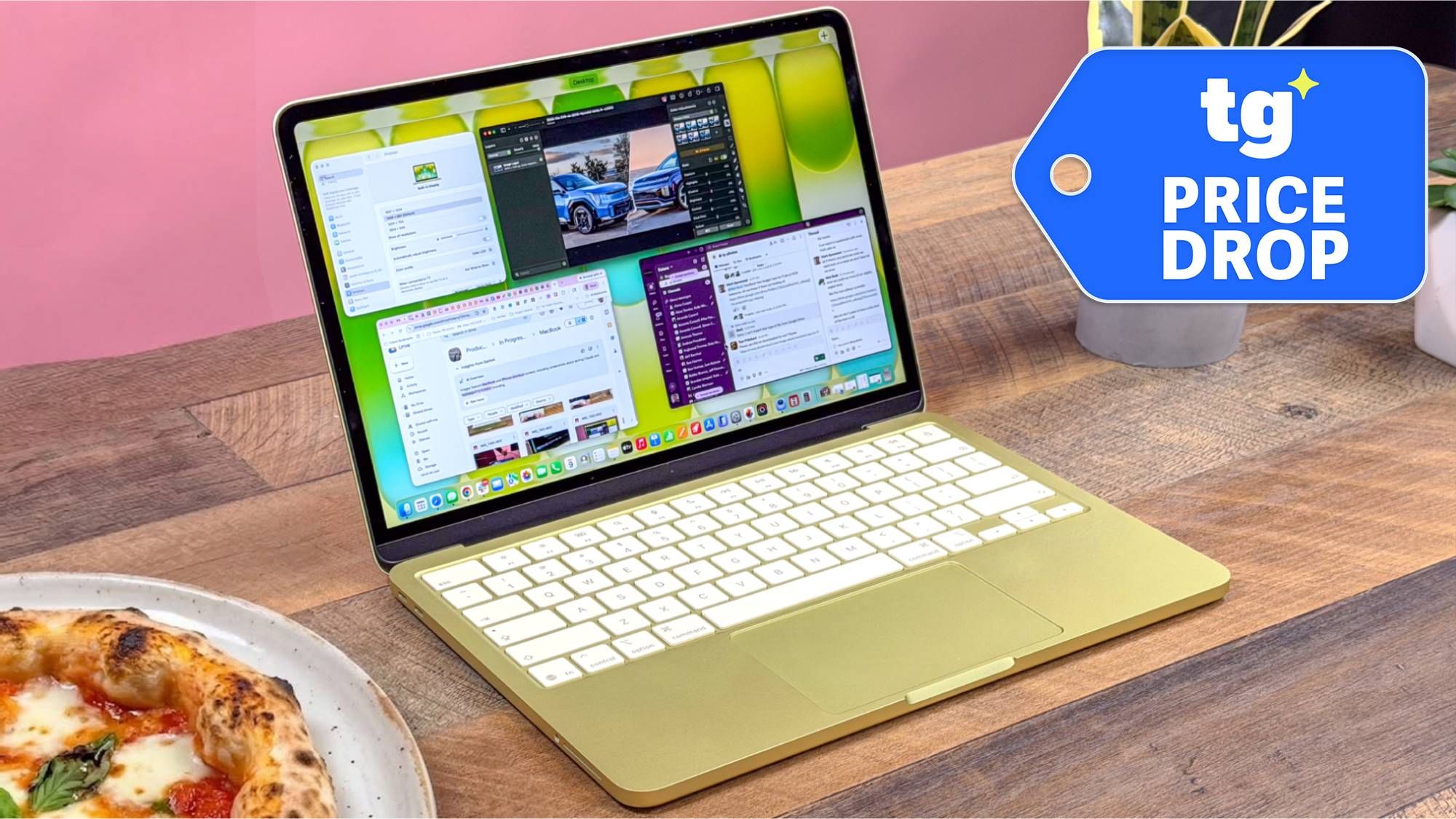
The 2026 MacBook Pro is arguably the most significant update to the Mac lineup since the transition to Apple Silicon. For the first time, these laptops feature Samsung Display panels that utilize a specialized OLED structure. If you have been following my reviews, you know the biggest complaint about the previous miniLED models was backlight blooming—that annoying glow around bright objects on a dark background.
This hardware refresh cycle eliminates that issue entirely. Because OLED technology does not require a backlight, each pixel provides its own light. This allows for true blacks that were previously impossible on a laptop. When you combine this with the energy efficiency of the M6 series chips built on a 2nm process, the result is a laptop that lasts longer and looks better than any of its predecessors.
The new MacBook Pro OLED transition guide highlights that this shift also allows for a significantly thinner chassis. By removing the bulky miniLED backlighting layers, Apple has achieved an ultra-thin design that many pros have been asking for. For professional workflows that involve color grading or HDR video editing, the wait for an OLED MacBook Pro vs buying miniLED now has a clear answer: the 2026 model is the superior creative tool.
iPad Pro and Mini 8: A Tiered OLED Strategy
Apple’s tablet strategy in 2026 is defined by a two-tiered approach to display tech. The iPad Pro remains the flagship, utilizing tandem OLED technology benefits to deliver up to 1000 nits of full-screen brightness. This dual-stack architecture layers two OLED panels on top of one another, which solves the traditional brightness limitations and increases the overall lifespan of the screen.
In contrast, the iPad mini 8 transition utilizes a single-stack OLED. While it doesn't reach the extreme peak brightness of the Pro, it offers a massive leap in contrast and response time compared to the previous LCD mini. The iPad mini 8 OLED display upgrade rumors were finally confirmed this year, making it a favorite for mobile gamers and e-book enthusiasts who want deep blacks without the Pro price tag.
Statistics show this shift is a global trend. Omdia forecasts that OLED tablet panel shipments will increase by 39% in 2026 to reach 15 million units, primarily driven by Apple's expected transition of the iPad Mini to OLED technology.
Display Comparison: 2026 Tablet Lineup
| Feature | iPad Pro (M4/M6) | iPad mini 8 | iPad Air (2025/2026) |
|---|---|---|---|
| Technology | Tandem OLED (Dual-Stack) | Single-Stack OLED | Liquid Retina LCD |
| Peak Brightness | 1600 nits (HDR) | 600 nits | 500 nits |
| Refresh Rate | 1-120Hz ProMotion | 60Hz | 60Hz |
| Dimming | Pixel-Level | Pixel-Level | Global/Edge-Lit |
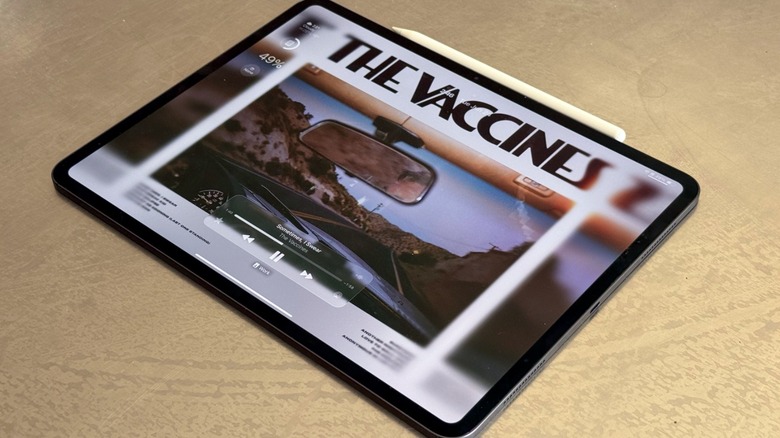
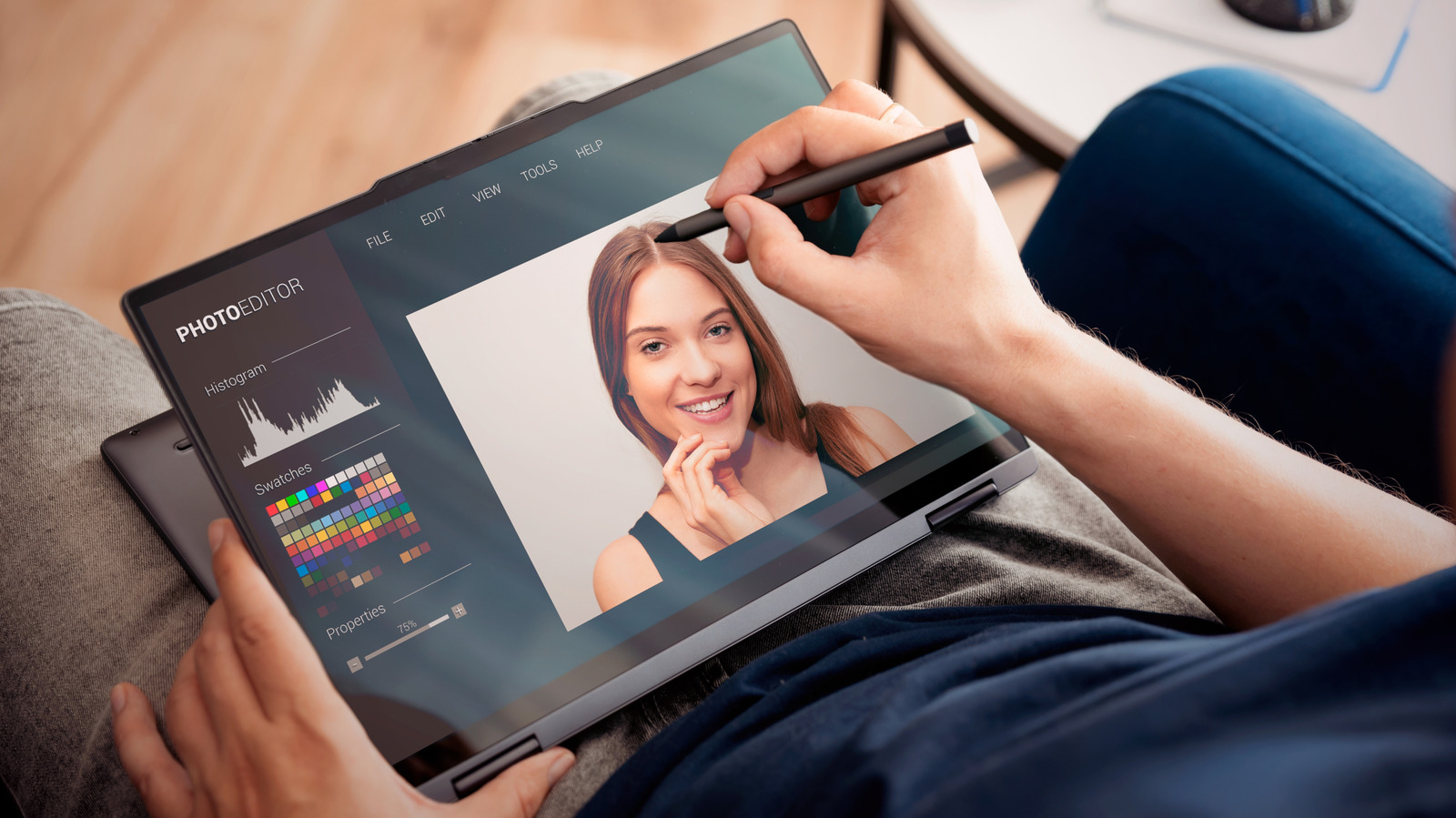
The tandem OLED technology benefits for iPad Pro extend beyond just visual quality. This architecture is much more energy-efficient, contributing to the device's ability to maintain high performance during sustained creative tasks. However, buyers should be aware of the accessory tax. To get the most out of these new displays, you will likely want the Apple Pencil Pro, which features low-latency tracking that feels instantaneous on the OLED’s high refresh rate.
iPhone 18 Series: The All-OLED Standard
The iPhone has been the leader in Apple's transition, but 2026 marks the first year the entire lineup is unified under one display philosophy. Whether you choose the base iPhone or the 18 Pro Max, you are getting an LTPO OLED panel with ProMotion support. The days of being stuck with a 60Hz screen on a standard iPhone are officially over.
The standout feature for the iPhone 18 Pro series is the long-rumored under-screen Face ID. By hiding the sensors beneath the OLED panel, Apple has finally achieved a true all-screen design. This innovation relies on the transparency of modern OLED materials, allowing sensors to "see" through the pixels when needed.
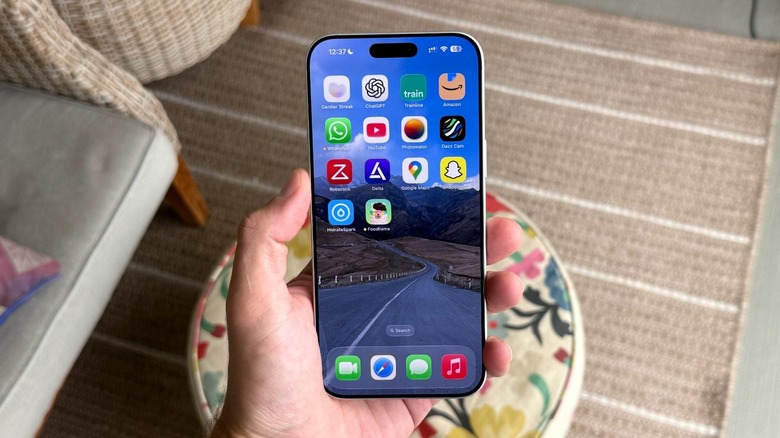
HDR performance on the iPhone 18 series has reached new heights, with peak brightness levels now hitting 3000 nits for short bursts in outdoor sunlight. The Always-On Display feature has also been refined, using the LTPO backplane to drop the refresh rate to a staggering 1Hz, preserving battery life while keeping your notifications visible. For those seeking the best Apple OLED products to buy in 2026, the iPhone 18 Pro is the most refined smartphone experience Apple has ever produced.
Specialized Gear: Vision Pro and Apple Watch
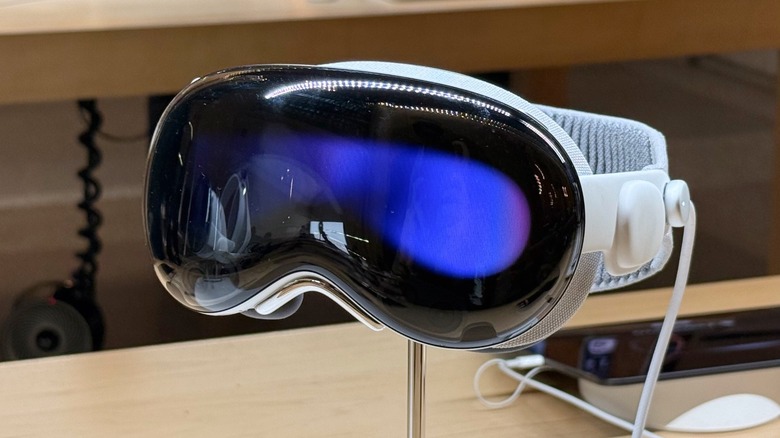
While the phones and tablets get the headlines, Apple's specialized gear uses some of the most advanced display tech in the world. The Apple Vision Pro micro-OLED vs regular OLED differences are stark. While a standard OLED might have a few hundred pixels per inch, the micro-OLED in the Vision Pro features 23 million pixels across two displays the size of postage stamps. This density is what creates the "pass-through" reality effect that makes spatial computing possible.
The Apple Watch Series 11 and Ultra 3 also benefit from the move toward efficiency. The Apple Watch LTPO OLED display battery efficiency has improved significantly, allowing for longer durations between charges even with the screen at full brightness. Apple has implemented new display longevity algorithms that shift pixels at a sub-perceptual level to prevent screen burn-in, which was once a concern for wearables with static watch faces.
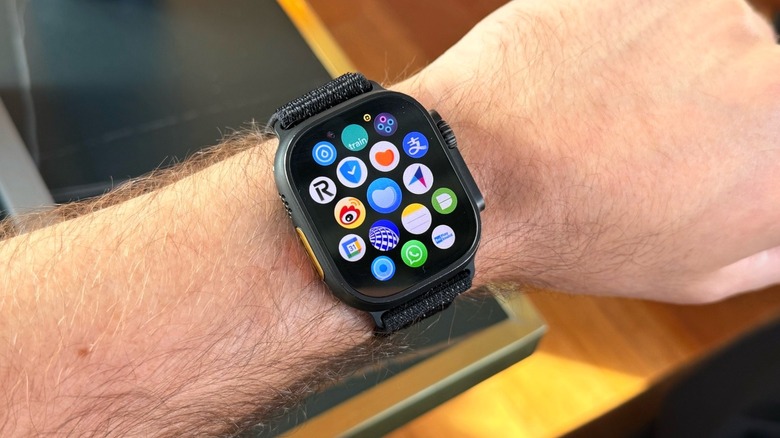
These specialized devices show that Apple isn't just buying panels from suppliers; they are dictating the roadmap for display innovation. The projected 36% market penetration for tandem OLED technology in the tablet and notebook sectors by 2026 is a direct result of Apple pushing these technologies into the mainstream.
Buying Strategy: Should You Upgrade in 2026?
With so many OLED options, deciding when to jump in can be difficult. Your decision should be based on your specific use case and what device you are currently using.
- The Creative Pro: If you are still using a MacBook Pro with a miniLED screen or an older LCD-based Mac, the 2026 MacBook Pro is the definitive upgrade. The combination of the M6 chip and the pixel-level dimming makes it a generational leap for video and photo work.
- The Student: The iPad mini 8 is the sweet spot. It offers the modern OLED experience without the four-figure price tag of the Pro models. It is perfect for reading, note-taking, and media consumption.
- The Early Adopter: If you want the cutting edge, the iPhone 18 Pro with its under-screen Face ID and the Apple Vision Pro represent the peak of what is possible with organic light-emitting diodes today.
One thing to keep in mind is the future outlook. If you are specifically looking for an iPad Air with an OLED screen, you might want to hold off. Current roadmaps suggest that while the Pro and Mini have made the switch, the Air will likely remain on LCD or miniLED until 2027 to keep costs lower for the mid-range market.
When considering the waiting for OLED MacBook Pro vs buying miniLED now debate, remember that the 2026 models are not just about the screen. They represent a fundamental hardware refresh that includes better thermal management and longer-lasting battery cells. The transition to OLED is the "final piece" of the modern Mac puzzle.
FAQ
Is Apple switching all its devices to OLED technology?
Apple has transitioned the vast majority of its flagship products to OLED as of 2026, including the entire iPhone lineup, the Apple Watch, the iPad Pro, the iPad mini, and the MacBook Pro. However, some entry-level or mid-range devices like the iPad Air and certain iMac models may still utilize LCD or miniLED technology to maintain lower price points for specific market segments.
When will the first OLED MacBook be released?
The first MacBook Pro models featuring tandem OLED displays are released in 2026. These models represent a major redesign, offering thinner profiles and significantly improved contrast ratios compared to the previous miniLED versions.
Does the latest iPad Pro have an OLED screen?
Yes, the 2026 iPad Pro features a Tandem OLED display. This dual-stack architecture allows the tablet to achieve much higher brightness levels and better energy efficiency than traditional single-layer OLED screens, making it ideal for professional creative work.
What is the difference between Apple's Liquid Retina and OLED?
Liquid Retina is Apple's branding for high-quality LCD (Liquid Crystal Display) screens, which require a backlight to illuminate the pixels. OLED (Organic Light-Emitting Diode) technology features self-emissive pixels, meaning each pixel produces its own light. This allows for perfect blacks, higher contrast ratios, and faster response times since there is no backlight to manage.
Do OLED screens on Apple devices experience screen burn-in?
While burn-in was a concern for early OLED technology, Apple uses several mitigation strategies in 2026 to prevent it. These include LTPO backplanes that adjust refresh rates, pixel-shifting technology, and sophisticated software algorithms that monitor and adjust brightness at the sub-pixel level. Additionally, the tandem OLED architecture used in Pros and MacBooks is designed for much higher display longevity than standard panels.