Quick Facts
- Top Material for Metal: M42 Cobalt containing 8% Cobalt allows for 30% faster drilling in tough alloys.
- Heat Protection: TiAlN coatings increase surface hardness to 89HRC and allow bits to run at higher temperatures.
- Precision Tip: A 135-degree split point tip prevents bit walk by engaging the material immediately upon contact.
- Life Extender: Using specialized synthetic cutting fluids can increase bit life by up to 50% compared to dry drilling.
- Storage Impact: Industrial audits show that 15% of drill bit breakage occurs due to poor storage rather than active use.
- Woodworking Essential: Forstner bits are necessary for creating clean, flat-bottomed holes that standard twist bits cannot achieve.
To prevent drill bit breakage, you must match the bit material to the workpiece and manage heat dissipation effectively. Using specialty drill bits like cobalt for hardened steel and titanium-coated high-speed steel for softer metals like aluminum ensures the tool can handle the friction. Applying cutting lubrication and maintaining steady torque prevents the overheating and brittle snapping common in high-friction applications, while a split point tip reduces bit walk to protect the bit from lateral stress during the initial entry.
Understanding Metallurgy: Why Standard Bits Snap
Every craftsman has experienced that sudden, frustrating "snap" in the middle of a project. Most often, this happens because we ask a general-purpose bit to perform a specialist's job. Standard high-speed steel is excellent for general repairs and soft woods, but it lacks the thermal stability required for denser materials. When a bit generates more heat than it can dissipate, the metal loses its temper, becomes brittle, and eventually fails under the pressure of your drill.
Choosing the right drill bit starts with understanding the trade-off between hardness and flexibility. A very hard bit, like one made of solid carbide, can cut through almost anything but is incredibly brittle; even a slight tilt of the drill can cause it to shatter. Conversely, a standard black oxide coating bit is more flexible but will dull almost instantly if it hits stainless steel. The goal is to find the "Goldilocks" zone where the bit is hard enough to cut but tough enough to survive the vibration and torque of a handheld power tool.
| Bit Material/Coating | Hardness (HRC) | Best For | Key Advantage |
|---|---|---|---|
| M35 Cobalt (5%) | 65-67 | Stainless Steel, Cast Iron | High heat resistance for continuous drilling. |
| M42 Cobalt (8%) | 68-70 | Hardened Steel, Titanium | Maximum wear resistance in extreme alloys. |
| TiAlN (Titanium Aluminum Nitride) | ~89 (Surface) | High-Speed Machining | Performs better as heat increases; runs dry. |
| Black Oxide | 60-63 | Mild Steel, Plastic, Wood | Retains lubrication and prevents rust. |
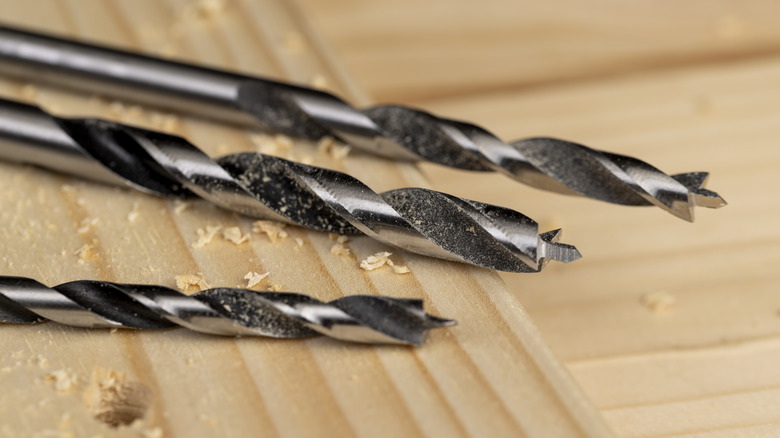
Metal Mastery: Drilling Through Hardened Steel and Sheet Metal
When you are facing a sheet of stainless steel or a hardened bolt, your standard hardware store kit is likely to fail. This is where specialty drill bits become a necessity. For heavy-duty metal work, cobalt vs titanium is the classic debate. Titanium-coated bits are essentially high-speed steel bits with a hard surface layer. They work wonders on aluminum and mild steel because the coating reduces friction and heat. However, once that coating wears off the tip, the bit is no better than a standard one.
For the toughest jobs, cobalt bits are the superior choice because the cobalt is mixed throughout the entire alloy. You can sharpen a cobalt bit and it retains its properties. When choosing drill bits for hardened steel, look specifically for M42 cobalt if you are dealing with high-tensile materials. These bits often feature a 135-degree split point tip, which is flatter than the standard 118-degree tip. This geometry is specifically designed to prevent bit walk, ensuring the bit stays centered without the need for a center punch in most cases.
Sheet metal presents a different challenge: the "grabbing" effect. As a standard twist bit nears the exit point of a thin metal sheet, the flutes can catch the edges, jerking the drill and often snapping the bit or marring the workpiece. Using step drill bits for sheet metal applications is the professional solution. A step bit allows you to drill progressively larger holes through a single bit without the risk of the material catching. Because the bit is conical and short, it is also much harder to break than a long, thin twist bit. To further ensure success, always use cutting lubrication. Utilizing specialized synthetic cutting fluids can extend the operational life of drill bits by up to 50% by significantly reducing the thermal load on the cutting edge.
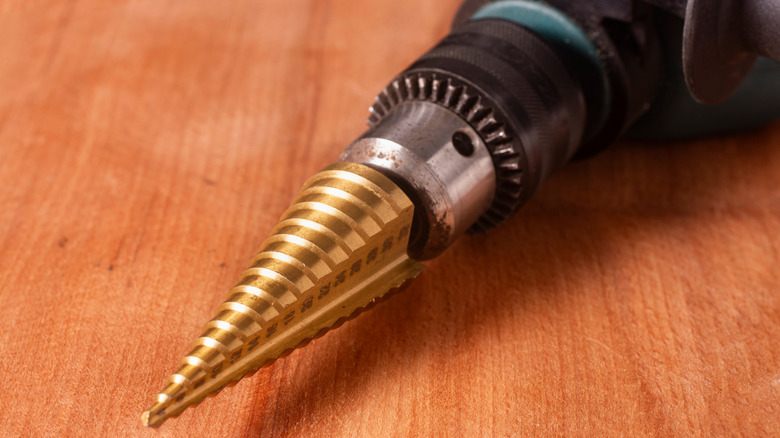
Precision Woodworking: Beyond the Standard Twist Bit
Woodworkers often find that standard bits produce "tear-out" or splintering, especially when working with expensive hardwoods or delicate veneers. Improving your results requires a shift toward woodworking specialty bits designed for specific types of wood joinery. The most common upgrade is the brad point bit. Unlike a twist bit, a brad point has a sharp center spur and two outer cutting spurs. The center point keeps the bit from wandering, while the outer spurs slice the wood fibers before the main body of the bit removes the waste, resulting in a perfectly clean hole.
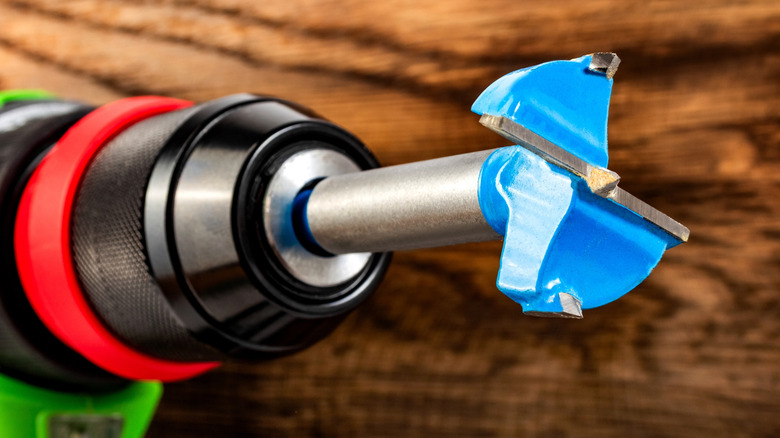
For larger diameter holes or decorative recesses, Forstner bits are unrivaled. These bits are guided by their outer rim rather than a center point, allowing them to drill overlapping holes or holes on the edge of a board without slipping. They create a flat-bottomed hole, which is essential for mounting European-style cabinet hinges or creating clean recesses for bolts.
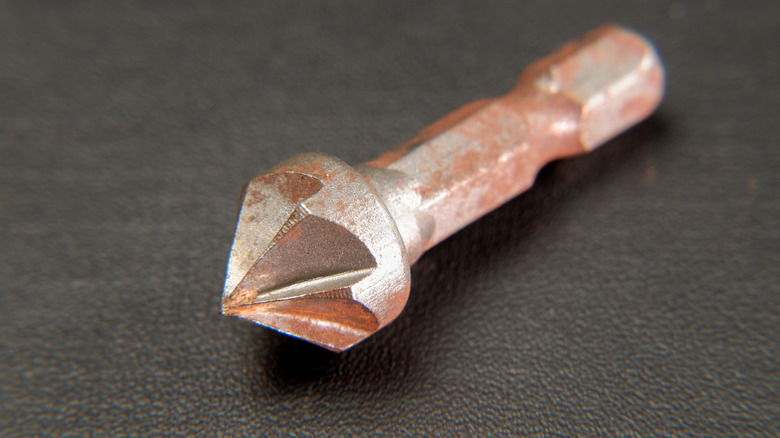
Finally, for any project involving screws, countersink bits are a must-have. A common cause of wood splitting is driving a screw head into a hole that hasn't been properly prepared. A countersink bit creates a wide arc at the surface, allowing the screw head to sit flush with or below the surface. Many modern countersinks also include a built-in pilot hole drill that can be adjusted for the length of the screw, significantly speeding up assembly time.
Extreme Substrates: Glass, Tile, and Masonry
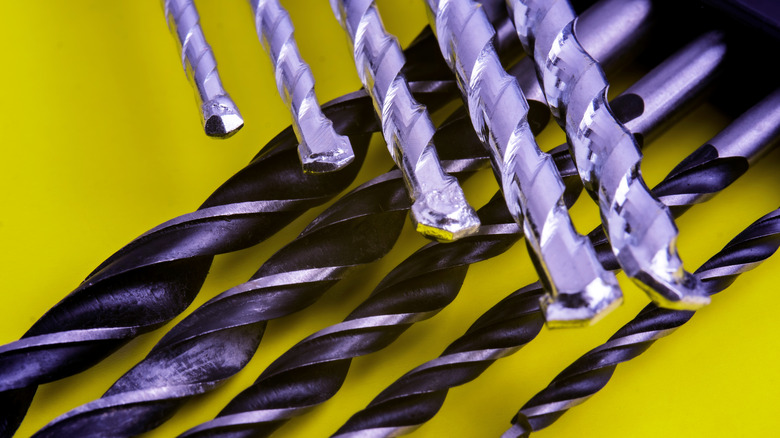
Drilling into stone, brick, or glass requires a completely different mechanical approach. While metal and wood bits use a "cutting" action, masonry and glass bits rely on "smashing" or "grinding." Carbide-tipped masonry bits are designed to be used with a hammer drill. The wide carbide wings act like a miniature jackhammer, pulverizing the stone while the flutes pull the dust out of the hole. For high-impact professional work, bits with SDS shanks are preferred as they allow the bit to slide back and forth within the chuck, maximizing the force of the hammer mechanism.
When you are looking for specialty drill bits for drilling glass and tile, the approach shifts back to precision. Using a masonry bit on a ceramic tile will almost certainly shatter it. Instead, you need a diamond-tipped or carbide-spead bit. These bits "grind" through the hard glaze of the tile. Heat dissipation is the primary concern here; drilling glass or tile dry will burn out the bit in seconds. A small dam made of putty filled with water or a constant mist of coolant is necessary to keep the temperature down and prevent the glass from cracking due to thermal shock.
Pro Maintenance: Stop Snapping and Start Saving
Preventing drill bit breakage is as much about technique as it is about the tool. One of the most overlooked aspects is torque management. When a bit begins to bind, most users instinctively push harder. This is the exact moment the bit will snap. Instead, you should back the bit out, clear the chips, and ensure you are using the correct RPM. Generally, the harder the material and the larger the bit, the slower the drill speed should be.
Storage is another hidden killer of tool longevity. It might come as a surprise that 15% of drill bit breakages are attributed to improper handling and storage conditions. When bits are thrown loosely into a metal toolbox, their sharp cutting edges knock against each other, creating microscopic chips and cracks. These small imperfections become stress points that fail the next time you put the bit under load. Using a dedicated bit index or a magnetic rack not only keeps you organized but directly extends the life of your investment.
- Clear the Flutes: Frequently pull the bit out of the hole while it's spinning to eject waste material.
- Use a Pilot Hole: For holes larger than 1/4 inch in metal, start with a smaller bit to reduce the load on the larger specialty drill bits.
- Check the Chuck: Ensure the bit is perfectly centered and tightened in the chuck to avoid wobbling, which creates lateral stress.
- Lubricate Often: Even for wood, a bit of wax on the flutes can reduce friction and heat buildup.
FAQ
What is the difference between a standard and a specialty drill bit?
Standard bits, usually twist bits made of basic high-speed steel, are designed for general-purpose use across various soft materials. Specialty drill bits are engineered with specific alloys like cobalt or coatings like TiAlN and feature unique geometries such as split points or spurs to handle specific challenges like hardened steel, clean woodworking, or brittle glass.
What type of drill bit is best for drilling through stainless steel?
The best choice for stainless steel is a cobalt drill bit, specifically the M42 grade which contains 8% cobalt. Stainless steel work-hardens as you drill it, meaning it gets tougher as it gets hotter. Cobalt bits maintain their hardness at these higher temperatures, allowing them to cut through where standard bits would melt or snap.
How do I choose the right drill bit for glass or ceramic tile?
For glass and tile, you must choose a bit designed for grinding rather than cutting. Carbide-tipped spade bits are suitable for standard ceramic, but for porcelain or glass, a diamond-grit hole saw or diamond-core bit is best. Always use water as a coolant to prevent thermal cracking.
What are the most common types of specialty drill bits?
The most common types include cobalt bits for hard metals, step bits for thin sheet metal, brad point and Forstner bits for precision woodworking, and carbide-tipped masonry bits for concrete and brick. Each is designed to solve a specific problem like bit walk, splintering, or heat buildup.
How can you identify a specialty drill bit by its tip?
You can identify them by their geometry: a split point tip has extra cutting edges at the very center to prevent wandering; a brad point bit has a sharp central spike and two outer "ears"; a masonry bit has a wide, flattened carbide tip that looks like a spade; and a countersink bit has a wide, conical head.