Quick Facts
- Physical Compatibility: Non-native; Ryobi uses a stem-style battery pack while Makita uses a slide-on mounting system.
- Safety Profile: High risk; most adapters bypass the battery management system (BMS) and thermal overload protection.
- Warranty Impact: Both Makita and Ryobi officially state that using third-party battery adapters voids the manufacturer's warranty for both the tool and the battery.
- Performance Loss: Independent testing shows a 5% to 14% decrease in power and RPM when using non-native battery combinations.
- Risk of Damage: Using a Ryobi Makita battery adapter can lead to permanent battery failure (bricking) or tool motor burnout due to unregulated current draw.
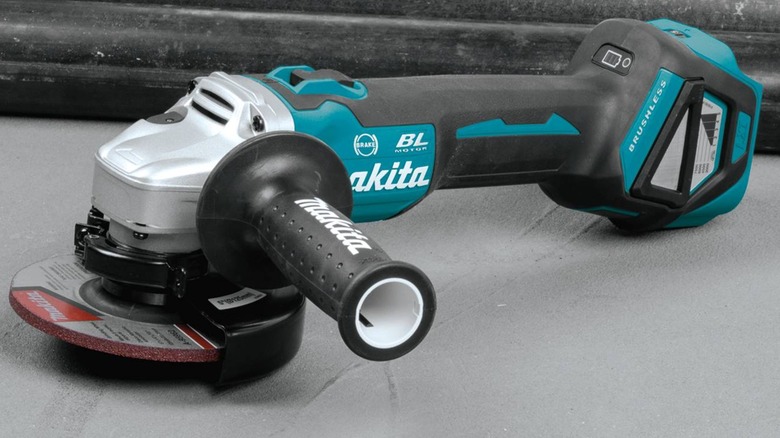
Ryobi ONE+ 18V batteries are physically incompatible with Makita LXT tools due to their different mounting systems; Ryobi utilizes a stem-style protrusion while Makita uses a slide-on flat-top design. While third-party adapters can bridge this physical gap, they often lack the proprietary electronic communication required for safe operation between different cordless platforms. Using a Ryobi Makita battery adapter poses significant safety risks because it typically bypasses the battery management system (BMS) and protection circuit boards. This can lead to unregulated power delivery, potentially causing motor burnout in the Makita tool or permanent damage to the Ryobi battery cells due to over-discharge or lack of thermal overload protection.
Physical and Electronic Incompatibility: Why They Don't Match
At first glance, the cordless tool world seems divided by plastic and pins. If you have a garage full of lime-green Ryobi batteries but want to upgrade to a teal Makita drill, the appeal of a simple plastic bridge is obvious. However, the physical barrier is the first hurdle. Ryobi has famously stuck with its stem-style battery pack design for decades, ensuring that a battery from the late 90s still fits a modern impact driver. Makita, conversely, utilizes a slide-on mounting system that prioritizes a lower center of gravity and a more compact tool footprint.
These proprietary interfaces are not accidental. They are engineered to lock users into a specific ecosystem, but more importantly, they are designed around a specific contact pin configuration. While both systems use lithium-ion chemistry, the way they talk to their respective tools is fundamentally different. When using Ryobi batteries in Makita tools, you aren't just fitting a square peg into a round hole; you are asking two different languages to communicate without a translator.
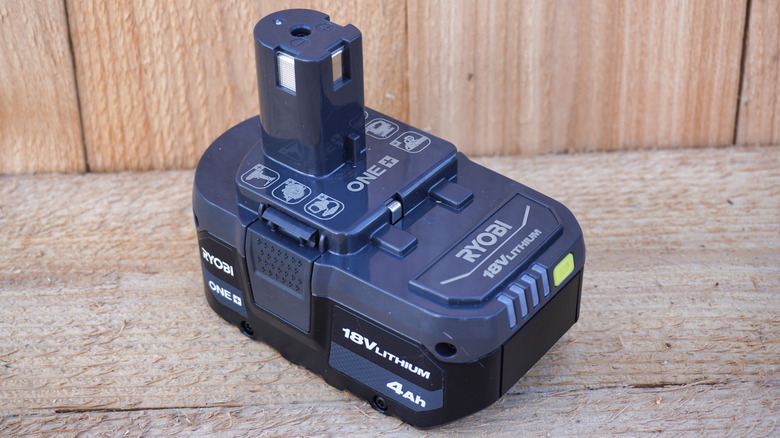
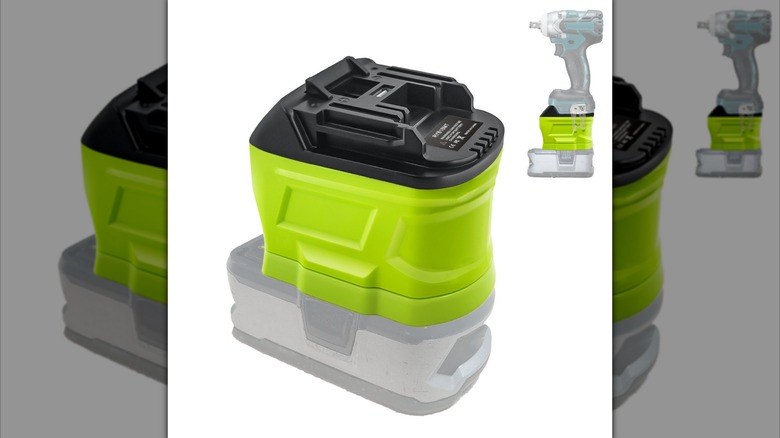
The physical adapter adds significant bulk and height to the tool. For a tool like a circular saw or a reciprocating saw, this change in ergonomics can affect the balance and safety of the operation. More critically, the mechanical fit does nothing to address the electronic handshake required for modern power tool safety.
The BMS Gap: How Adapters Bypass Safety Protocols
The most dangerous aspect of a Ryobi Makita battery adapter is what you cannot see inside the plastic casing. In the world of cordless tools, the battery management system (BMS) acts as the brain. For Ryobi, this brain is mostly housed within the battery pack itself. This makes the Ryobi battery a sort of universal donor; it carries its own protection against over-heating and over-discharge. Makita, however, splits the responsibility. Makita LXT tools are designed with the expectation that the power tool battery protection circuit is a collaborative effort between the battery and the tool.
When you use a Ryobi battery on Makita LXT tools through a passive adapter, you create a safety vacuum. Most of these adapters are simple plastic shells with copper strips. They do not facilitate the complex electronic communication required for thermal overload protection. Because the Ryobi battery doesn't know what the Makita tool is doing, and the Makita tool can't read the Ryobi battery's health, the tool may draw more power than the battery cells can safely provide.
The most common casualty in this scenario is over-discharge prevention. Lithium-ion cells are sensitive; if their voltage drops below a certain threshold—often around 16V for an 18V pack—the chemistry can become unstable. Professional-grade tools usually have a hard-stop to prevent this. However, since the Ryobi battery adapter bypasses protection circuit board protocols, the Makita tool might continue to pull power until the Ryobi cells are drained to a point where they can no longer be recharged. This is colloquially known as bricking the battery.
Warranty Voids and Insurance Liabilities
From a manufacturer’s perspective, any Ryobi Makita battery adapter is an unauthorized modification. Both companies are explicit: the use of non-genuine power sources or third-party conversion kits immediately terminates your protection. If your Makita hammer drill starts smoking while attached to a Ryobi pack, the service center will likely identify the cause and deny the claim.
Warning: Warranty and Liability Risk Utilizing any third-party battery adapter will void the manufacturer warranties for both the Ryobi battery and the Makita tool. Furthermore, for professional contractors, using uncertified power tool battery protection circuit bypasses can lead to the denial of insurance claims in the event of a job site fire or equipment-related injury.
Manufacturers consider these adapters a violation of safety standards because they cannot guarantee the current draw limits of the combination. In a professional setting, the risks far outweigh the savings of a thirty-dollar adapter. For fleet managers, the potential for how battery adapters void Makita tool warranty coverage is a significant financial deterrent, as it turns a replaceable asset into a total loss upon the first sign of electrical failure.
Performance Realities: Power Loss and Parasitic Drain
Even if we set aside the risks of fire or bricked batteries, the performance of the tool suffers. You might think that 18V is 18V, but independent performance testing suggests otherwise. When using Ryobi 18V batteries on Makita LXT tools, users frequently encounter a performance loss using Ryobi batteries in Makita tools.
The physical connection inside an adapter introduces electrical resistance. Because the contact points aren't as robust as the original factory mounting, there is a measurable voltage drop. This results in a 5% to 14% power and RPM decrease compared to using original manufacturer batteries. In high-demand applications, such as using an angle grinder or a high-torque impact wrench, this loss is noticeable and can lead to stalling.
| Feature | OEM Makita Battery | Ryobi Adapter Combination |
|---|---|---|
| BMS Communication | Full Handshake | Bypassed/None |
| Over-discharge Protection | Active | Risky/Passive |
| RPM/Power Output | 100% | 86% - 95% |
| Warranty Support | Full | Voided |
| Safe for High-Draw Tools | Yes | No |
Another hidden issue is parasitic drain. Some adapters contain small LED lights or internal circuits that stay active as long as the battery is plugged in. If you leave your Ryobi battery in the adapter overnight, you may find it completely dead by morning. This constant drain is particularly harmful to the long-term amp-hour capacity ratings of your battery cells.

Buyer's Checklist: Identifying 'Active' Adapters
If you are a DIYer who understands the risks and still wants to proceed for light-duty tasks, not all adapters are created equal. The market is flooded with safety risks of cheap power tool battery adapters, but some aftermarket conversion kits are better than others. When searching for a Ryobi Makita battery adapter, look for the following:
- High Current Ratings: Ensure the adapter is rated for the amperage your tool requires.
- Pin Mapping: Some higher-end adapters attempt to map the thermal and data pins, though this is rare and often unreliable.
- Build Quality: Look for thick copper contacts and a secure locking mechanism. A loose battery can cause arcing, which melts the plastic.
- Usage Limits: Only use these adapters for low-draw tools like LED work lights, fans, or small vacuums. Avoid using them for saws, grinders, or heavy-duty drills where preventing Makita motor burnout when using adapters becomes a major concern.
FAQ
Are battery adapters safe for power tools?
Battery adapters are generally considered unsafe for high-performance use because they bypass the electronic communication between the tool and the battery. While they might work for low-power accessories, they lack the thermal and over-discharge protections found in original equipment, which can lead to fire hazards or equipment failure.
Will using an adapter damage my Makita battery?
No, using an adapter will not damage your Makita battery because the adapter is designed to fit a Ryobi battery into a Makita tool, not the other way around. However, it can certainly damage your Ryobi battery by allowing the Makita tool to drain it past its safe voltage limit, potentially leading to permanent cell damage.
Is there a power loss when using a battery adapter?
Yes, independent testing has confirmed a power and RPM loss of between 5% and 14%. This occurs due to the added resistance of the adapter's contact points and the lack of optimized electronic communication that helps the tool manage its power draw effectively.
Do battery adapters have over-discharge protection?
Most inexpensive battery adapters are passive, meaning they have no internal circuitry for over-discharge protection. They rely entirely on the battery's internal BMS. Since many tool systems expect the tool to handle the cut-off, using an adapter can lead to the battery being drained to a point where it can no longer be charged.
Are third-party battery adapters reliable?
Third-party adapters are widely considered unreliable for professional or heavy-duty use. While they may function for a short period, the physical build quality is often inferior to OEM parts, and the lack of safety protocols makes them a risky choice for expensive power tools. Manufacturers consistently warn that these devices can lead to motor burnout and battery failure.