Google I/O 2026: Logistics at a Glance
- Keynote Date: May 19, 2026, 10 a.m. PT
- The Android Show: May 12, 2026
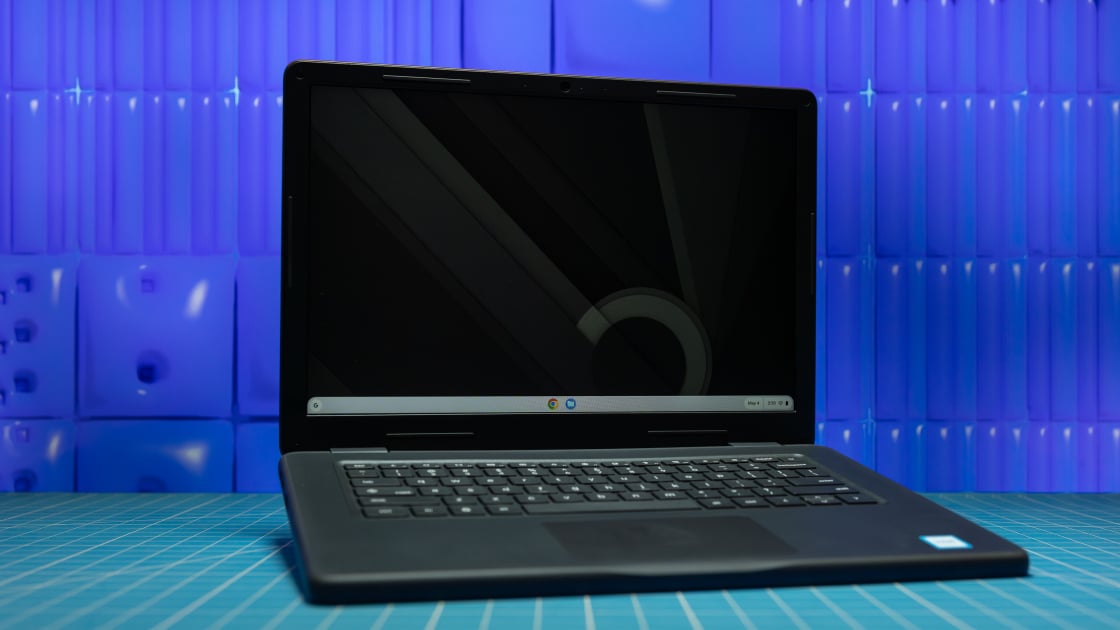
- Major Software Reveal: Aluminum OS (The unification of Android and ChromeOS)
- Primary Hardware Focus: Next-generation Google Nest hardware and high-speed Wi-Fi 7 networking
Our Top Picks
- Best for Efficiency: The Google Nest Learning Thermostat (4th Gen) is our top pick for energy-conscious households. Its massive screen and predictive energy saving features set a new standard for climate control.
- Best for Innovation: The Gemini-powered Nest Hub (3rd Gen) with Project Astra integration. It transforms the smart display into a proactive assistant capable of ambient sensing and visual recognition.
- Best Value Upgrade: The redesigned Nest Temperature Sensor (2nd Gen), which now comes bundled with the flagship thermostat, offering superior room-by-room accuracy.
As Google I/O 2026 kicks off, the spotlight is firmly on the latest Google Nest hardware and the AI-driven evolution of the Google Home ecosystem. With the release of the Nest Learning Thermostat (4th Gen) and the integration of Gemini 3.1, users are seeing a shift toward proactive, local processing. This review explores how the new hardware enhances smart home automation through the Matter protocol and advanced ambient sensing technology, providing the ultimate guide for your next upgrade.
I/O 2026 Logistics & The Ambient Computing Vision
The May 19th Keynote at Mountain View marked a fundamental shift in how we perceive the smart home. While previous years focused on voice commands and basic scheduling, the 2026 announcements center on ambient computing. The vision is simple: your home should understand what you need before you even ask. This is made possible by the introduction of Aluminum OS, a rumored merger of Android and ChromeOS that serves as a unified control center for Google Nest hardware.
This new operating system doesn't just run on your phone or laptop; it lives in the walls of your home. By utilizing multi-modal AI interfaces, the house can now process visual cues, sounds, and proximity data simultaneously. If you walk into the kitchen carrying groceries, the ambient sensing technology recognizes the movement and the load, automatically brightening the lights and opening the smart pantry. We are moving away from a world of taps and swipes into a world of intent.
The transition from a voice-first ecosystem to one driven by proactive intelligence is the core theme of I/O 2026. This isn't just about software updates; it requires a new generation of sensors and processors capable of handling massive amounts of data at the edge. The era of waiting for a cloud server to process your "turn on the lights" request is finally coming to an end.
Deep Dive: Google Nest Learning Thermostat (4th Gen)
The flagship of the 2026 lineup is undoubtedly the Google Nest Learning Thermostat (4th Gen). For years, the 3rd generation model sat atop the market, but it was beginning to show its age. The 4th Gen model addresses every aesthetic and functional limitation of its predecessor. The most striking change is the hardware design: it features a 2.7-inch circular LCD display that provides a 60% larger viewing area compared to the older models.
The larger screen isn't just for show. It allows for high-resolution weather animations, more detailed energy reports, and a far more intuitive touch-and-turn interface. Under the hood, the device has moved entirely to on-device machine learning for its scheduling. This means the thermostat learns your habits locally. If you consistently lower the temperature at 10 p.m. on weekdays, the device builds a local profile without ever sending that data to a cloud server.
Price-wise, the Google Nest Learning Thermostat (4th Gen) is positioned at $279.99 and includes a redesigned second-generation Nest Temperature Sensor in the package. This is a significant value add, as previous generations required you to purchase extra sensors separately to manage hot or cold spots in different rooms.
| Feature | Nest Learning Thermostat (3rd Gen) | Nest Learning Thermostat (4th Gen) |
|---|---|---|
| Display Size | 2.1-inch LCD | 2.7-inch LCD (60% larger) |
| Price | $249.00 | $279.99 (Includes Sensor) |
| Processing | Cloud-dependent | Local On-device machine learning |
| Connectivity | Wi-Fi 5 / Bluetooth | Wi-Fi 7 / Thread / Matter |
| Sensor Bundle | Sold Separately | 2nd-Gen Sensor Included |
The shift toward local data processing ensures that your climate control remains functional even if your internet goes down. Furthermore, the inclusion of the Matter communication protocol means this thermostat can finally talk to Apple Home and Amazon Alexa ecosystems with zero latency. It is arguably one of the best Google Nest hardware recommendations for energy-efficient climate control we have seen in the last decade.
Proactive Intelligence: Gemini AI & Project Astra Integration
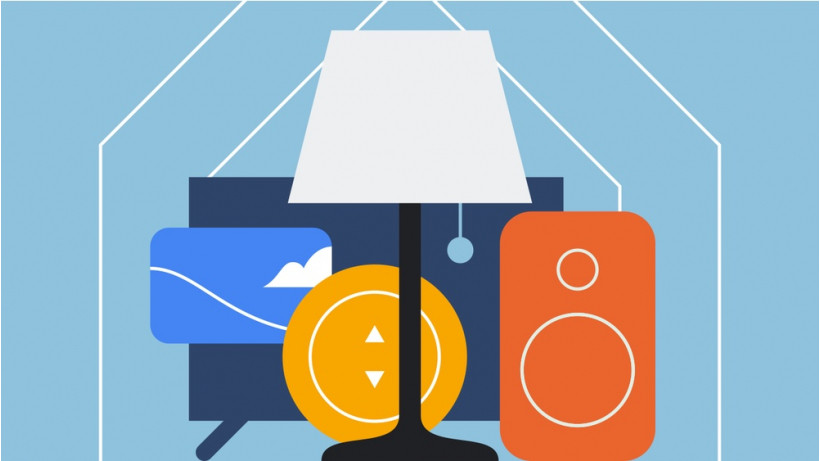
Perhaps the most impressive demonstration at I/O was the integration of Gemini 3.1 into the Google Home ecosystem enhancements. This isn't just a smarter chatbot; it is a full-scale home brain. Through a feature called Project Astra, new Nest Cams and Hubs can now use computer vision triggers to understand the context of your home.
If the camera detects a jammed lock on your front door, it doesn't just send a generic "motion detected" alert. Instead, it analyzes the physical state of the hardware and sends a high-priority notification to your phone: "Front door lock is stuck. Would you like me to notify the locksmith?" This level of smart home automation with new Nest devices moves the platform from reactive to preventative.
Using Gemini AI features in new Google Nest devices also allows for complex, multi-step voice commands. You can now say, "Hey Google, I'm starting a movie, so dim the lights, close the blinds, and don't interrupt me unless there's someone at the door." The system parses these three distinct actions and executes them through the Matter communication protocol simultaneously.
Expert Sidebar: The Astra Advantage Project Astra allows the Nest Hub to "see" like a human. In the I/O demo, the device identified a set of keys left on the kitchen counter. When the user later asked, "Where are my keys?", the Hub was able to replay the visual memory locally to provide the answer. This is the pinnacle of ambient computing.
For those interested in optimizing smart home security with 2026 Google Nest hardware, the computer vision triggers also extend to safety. The system can distinguish between a pet knocking over a vase and a potential intruder, significantly reducing the "noise" of false alarms that plagued previous generations.
Connectivity: Matter, Thread, and Wi-Fi 7 Standards
Reliability has always been the Achilles' heel of the smart home, but the 2026 hardware lineup takes massive strides in networking. All new Google Nest hardware now supports the 6GHz frequency band provided by Wi-Fi 7. This is crucial for high-bandwidth tasks like 4K video scrubbing on Nest Cams or low-latency multi-room audio.
However, the real hero is the Thread mesh networking capability. Thread allows devices to talk to each other directly without needing to go through a central router. If your Nest Hub is in the kitchen and your smart lock is at the front door, the signal can hop through a Nest Wifi point or even a Matter-enabled light bulb to reach its destination. This creates a self-healing network that is both faster and more reliable than traditional Wi-Fi.
Comparing 2026 Google Nest hardware upgrades vs older models, the inclusion of Ultra-wideband (UWB) tracking is a game-changer. UWB allows for spatial awareness. As you walk through your home with a Pixel phone or a modern smartwatch, the Google Home app knows exactly which room you are in. It can then surface the controls for the specific lights and appliances in that immediate vicinity. This makes the best Google Nest devices for building a Matter-enabled smart home feel truly integrated rather than a collection of disparate gadgets.
Privacy & Security in the AI Era
With cameras that can "see" and microphones that are always learning, privacy is a valid concern for every user. Google has addressed this by implementing secure enclave hardware in all 2026 Nest products. This dedicated chip ensures that sensitive data, such as facial recognition profiles or voice recordings, never leave the physical device.
When managing on-device AI privacy settings for 2026 Google Nest hardware, users now have a granular "Privacy Dashboard." You can toggle off cloud-based features entirely while still keeping the local machine learning active. This means your thermostat can still perform predictive energy saving and your cameras can still detect people, but no data is being sent back to Google's servers for processing.
The use of edge-based analytics is a major win for user trust. By keeping the "brain" of the home inside the house, Google is mitigating the risks associated with data breaches and cloud outages. If the internet goes down, your automated routines for lighting and security will continue to function exactly as intended because the logic is hosted locally on your Nest Hub or Thermostat.
FAQ
Is Google Nest hardware compatible with other smart home systems?
Yes, the 2026 lineup fully supports the Matter communication protocol, allowing these devices to work seamlessly with Apple Home, Amazon Alexa, and Samsung SmartThings. As long as the other devices are also Matter-certified, you can control them directly through the Google Home app without needing third-party bridges.
What is the difference between Google Home and Google Nest devices?
Google Home refers to the software ecosystem and the mobile app used to manage your smart home, whereas Google Nest is the physical brand of hardware. In 2026, the lines have blurred as Google Nest hardware now acts as the primary compute engine for the entire Google Home ecosystem enhancements.
Do Google Nest products require a monthly subscription to work?
Basic features like climate control, live video streaming, and local smart home automation work without a subscription. However, for extended cloud video history and certain advanced Gemini AI features that require massive processing power, a Nest Aware subscription is still recommended to get the most out of your hardware.
Which Google Nest thermostat is the best for energy savings?
The Nest Learning Thermostat (4th Gen) is currently the best for energy savings because of its advanced predictive energy saving algorithms. It uses on-device machine learning to analyze local weather patterns and your occupancy habits to adjust your HVAC system more efficiently than any previous model.
Is Google Nest hardware secure and private?
The 2026 hardware is designed with a "Privacy-First" architecture that uses secure enclave hardware to process voice and video data locally. This means your most sensitive information stays on your device, and you have full control over managing on-device AI privacy settings through a centralized dashboard in the Google Home app.
Conclusion & The Future of Nest
The 2026 hardware cycle represents the most significant update to the Nest lineup in over five years. By moving away from cloud-heavy processing and embracing local machine learning, Google has solved many of the speed and privacy issues that held the smart home back. The Google Nest Learning Thermostat (4th Gen) is a masterclass in industrial design, and the integration of Gemini AI makes the home feel genuinely intelligent for the first time.
If you are currently using a 3rd Gen Nest Thermostat or an older Nest Hub, now is the time to consider Nest device upgrade recommendations. The jump in screen quality, processing speed, and cross-brand interoperability via Matter is more than enough to justify the investment. As we wait for the full rollout of Aluminum OS later this year, it is clear that Google is no longer just making gadgets—they are building the operating system for the modern home.
Sign up for our newsletter to stay updated on the full I/O 2026 hardware deep dive and receive more expert tips on building a seamless, automated lifestyle.