Our Top Picks
- Best for Ecosystem: Ideal for Google Home power users who want deep integration with Nest Hubs and Google TV.
- Best Intelligence: Gemini AI provides the smartest notifications on the market, moving beyond simple motion alerts to descriptive summaries.
- Best Visuals: 2K HDR with 1:1 aspect ratio ensures head-to-toe coverage, so you never miss a package at the base of the door.
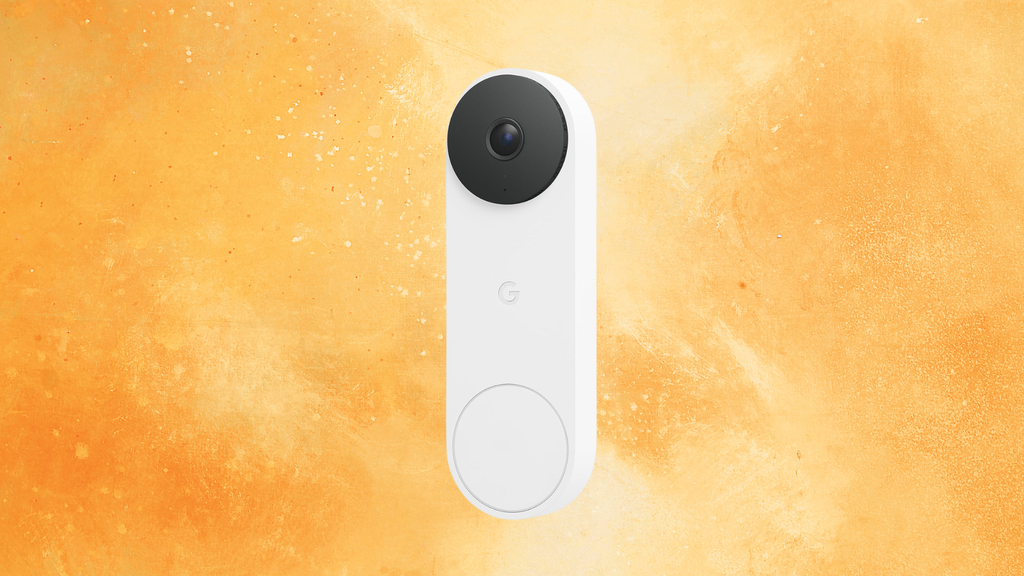
The 3rd generation wired Google Nest Doorbell offers 2K HDR video quality and a wide 166-degree field of view, featuring Gemini AI technology for descriptive event summaries and advanced video search. This 3rd generation Nest Doorbell is a significant leap forward for smart home security, trading battery convenience for unmatched 2K clarity and Gemini AI intelligence that actually understands what it sees.
Technical Deep Dive: 3rd Generation Nest Doorbell Specifications
When we look at the hardware of the new Google Nest Doorbell, it is clear that Google prioritized visual fidelity over the "install-anywhere" convenience of battery models. The jump to 2K resolution is not just about a higher pixel count; it is about the clarity needed to identify faces and read license plates from across the driveway. This model features a 1:1 aspect ratio, which I personally find superior to widescreen formats for porch security monitoring. It allows you to see the person’s face and the package on the ground simultaneously without distortion.
The hardware is housed in a sleek, minimalist chassis available in three distinct finishes: Snow, Linen, and Hazel. It feels premium and substantial in the hand, signaling its role as a permanent fixture of your home. The dual-band frequency support for both 2.4GHz and 5GHz Wi-Fi is a subtle but vital feature, as it helps maintain a stable connection in crowded suburban environments where signal interference is common.
| Feature | Specification |
|---|---|
| Resolution | 2K HDR (2048 x 2048) |
| Frame Rate | 30 FPS |
| Field of View | 166-degree diagonal |
| Aspect Ratio | 1:1 |
| Connectivity | Dual-band Wi-Fi (2.4GHz/5GHz) |
| Durability | IP65 weather resistance |
| Dimensions | 5.1 x 1.6 x 1.0 inches |
| Power Supply | Hardwired (16–24VAC, 10–40VA transformer required) |
One of the most significant Google Nest Doorbell 3rd gen 2K HDR video quality benefits is how it handles high-contrast lighting. Most front porches are either shrouded in deep shadows or blasted by direct afternoon sun. The HDR processing here ensures that even in these conditions, you can see details in the shadows without blowing out the highlights.
This level of detail is backed by impressive low-light visibility. Even when the sun goes down, the infrared LEDs provide a crisp monochrome view that extends several feet from the door. Whether it is a late-night delivery or an unexpected visitor, the clarity remains consistent.
Gemini AI: Revolutionizing Video Search and Events
The real magic of the Google Nest Doorbell happens in the cloud. By integrating Gemini AI, Google has moved the conversation from "something moved" to "your dog is playing in the yard." This shift represents the future of smart home security. The Gemini AI video search features explained simply mean you can use natural language to find specific moments in your video history. Instead of scrolling through hours of footage, you can type "When did the mailman arrive?" or "Show me the kids playing," and the system will present the exact clips.
This 3rd generation Nest Doorbell specifications include specialized on-device processing that allows for faster real-time push notifications. The facial recognition technology has been refined to distinguish between familiar faces and strangers with higher accuracy. You can even set up custom activity zones to ignore the sidewalk while staying hyper-vigilant about your actual porch.
The automated event summaries, or "Home Briefs," are another standout. At the end of the day, Google Home can provide a concise summary of the day’s activities. This isn't just a list of motion-triggered events; it is a narrative. It might tell you that a delivery was made at 2:00 PM and that your neighbor stopped by at 5:00 PM. This level of intelligence makes managing a surveillance system integration feel less like a chore and more like having a digital assistant for your front door.
Installation & Compatibility: The Wired Requirement
Before you click buy, you must understand the power requirements. This is a wired video doorbell, meaning it does not have a battery. This is a deliberate choice. While battery doorbells are easier to install, they often suffer from lag and cannot support continuous video recording. By using a hardwired power supply, the Google Nest Doorbell can provide a much faster response time and 24/7 monitoring capabilities.
You will need a transformer with a rating of 16–24VAC and 10–40VA. If you are replacing an existing wired doorbell, your current setup likely already meets these needs. However, older homes might require a transformer upgrade. Inside the box, Google provides a 20° wedge to help angle the camera toward your walkway, a chime connector, and the necessary screws.
When considering why choose a wired doorbell over battery for security, the answer usually comes down to reliability. You never have to worry about the battery dying in the middle of a cold winter night—a common complaint with older Nest Battery models. Furthermore, the wired connection allows for a more consistent connection to your smart home doorbell ecosystem, ensuring that your indoor chimes and smart displays react instantly when the button is pressed.
Cost Efficiency: Subscriptions and the Nest Aware Trap
While the hardware price is competitive, you need to factor in the smart home doorbell cost efficiency over time. Without a subscription, the Google Nest Doorbell is somewhat limited. You get only 3 hours of event video history, which is rarely enough if an incident occurs while you are asleep. To unlock the real power of this device, a Nest Aware subscription is essential.
Google offers two primary tiers. The Standard plan covers all your Nest cameras and doorbells, providing 30 days of event history. The Advanced plan, however, is where the value truly lies for security enthusiasts. It offers 60 days of event history and, crucially, 10 days of 24/7 continuous video history. This means the camera is recording every single second, allowing you to go back and see things that might not have triggered an AI alert.
| Plan | Monthly Cost | Video History | Key Features |
|---|---|---|---|
| Free Tier | $0 | 3 Hours | Basic notifications, no cloud storage |
| Nest Aware | $8 / mo | 30 Days | Event history, facial recognition, Gemini AI |
| Nest Aware Plus | $15 / mo | 60 Days + 10 Days 24/7 | Continuous recording, extended history |
When analyzing the Nest Aware subscription cost vs features for 3rd gen, consider that Google currently accounts for approximately 27% of the US smart home market, and video doorbells are installed in 33% of all connected households. This massive user base allows Google to keep their subscription costs relatively stable while continuously rolling out software updates like Gemini AI. However, since there are no local storage options (like a microSD card slot), you are effectively locked into their cloud-based video history ecosystem.
Comparison: Google Nest Doorbell vs. TP-Link Tapo D225
For those who are budget-conscious, the Google Nest Doorbell vs TP-Link Tapo D225 comparison is an important one. The Tapo D225 is often half the price and offers a 2K resolution similar to the Nest. The primary difference lies in the ecosystem and long-term costs. Tapo allows for local storage, meaning you can record to a microSD card and avoid monthly fees entirely.
However, where Nest wins is in the intelligence and integration. Integrating Nest Doorbell 3rd Gen with Google Home ecosystem is a seamless experience that Tapo cannot quite match. If you already own a Nest Hub or use Google Assistant to control your lights and thermostat, the Nest Doorbell acts as a natural extension of that system. The Gemini AI features are also significantly more advanced than the basic motion detection found on most budget competitors.
Choose the Nest if you value a "set it and forget it" experience with top-tier AI. Choose the Tapo if your primary goal is avoiding a subscription trap and you don't mind a slightly less polished app experience.
FAQ
Is there a monthly fee for Nest Doorbell?
There is no mandatory monthly fee to use the basic functions of the doorbell, but without a subscription, you are limited to three hours of event video history. To access features like Gemini AI, long-term cloud storage, and familiar face alerts, you will need a Nest Aware subscription starting at $8 per month.
Does Nest Doorbell work without a subscription?
Yes, it functions as a live-view camera and a doorbell without a subscription. You will still receive real-time push notifications for people and packages, but you won't be able to look back at video clips from earlier in the day if they happened more than three hours ago.
What is the difference between the wired and battery Nest Doorbell?
The wired 3rd generation model offers higher 2K resolution and supports 24/7 continuous video recording, which the battery version cannot do. The wired version is also smaller because it doesn't need to house a large battery pack, but it does require existing doorbell wiring for power.
Can the Nest Doorbell record 24/7?
Yes, but only the wired version and only if you have a Nest Aware Plus subscription. This allows the camera to record every second of activity, which is then stored in the cloud for ten days, providing a complete record of everything that happens on your porch.
How do I install a Google Nest Doorbell?
Installation involves removing your old doorbell, connecting the two wires to the back of the Nest Doorbell, and mounting it to your wall. You must also install the included chime connector inside your indoor doorbell chime box to ensure the physical bell still rings when the button is pressed.
The Final Verdict
The Google Nest Doorbell 3rd Gen is a masterclass in how AI can transform a simple security camera into a proactive home assistant. While the lack of local storage and the requirement for a subscription might be a turn-off for some, the sheer power of Gemini AI makes it a compelling choice. If you are already invested in the Google Home ecosystem and want the best possible clarity and intelligence for your front door, this is the doorbell to beat.
With the current market trends showing that more households are turning to smart security than ever before, investing in a high-quality wired solution ensures your home remains protected with the latest technology for years to come.