Quick Facts
- Durability: Professional ergonomic office chairs typically last 7-10 years, compared to the 2-4 year lifespan of many consumer gaming brands.
- Support System: High-quality office models utilize integrated S-curve frames for spinal alignment rather than the modular pillows found on racing-style seats.
- Economic Value: Mid-tier ergonomic office chairs priced between $100 and $450 provide approximately 80% of the features found in premium models at roughly 30% of the cost.
- Mechanical Edge: Most ergonomic office chairs use synchro-tilt mechanisms to maintain pelvic tilt during recline, a significant upgrade over the center-tilt mechanisms common in gaming chairs.
- Thermal Performance: Breathable mesh back designs in office seating outperform heat-trapping PU leather and synthetic foams during long sessions.
- ROI: Investing in a professional task chair offers a lower cost-per-year while actively supporting musculoskeletal health and home office productivity.
When choosing between a flashy racing seat and a professional ergonomic office chair, the smart money follows function over form. While gaming brands prioritize aesthetics, the best ergonomic office chairs focus on spinal alignment and long-term musculoskeletal health.
The Aesthetic Trap: Form vs. Function in Seating
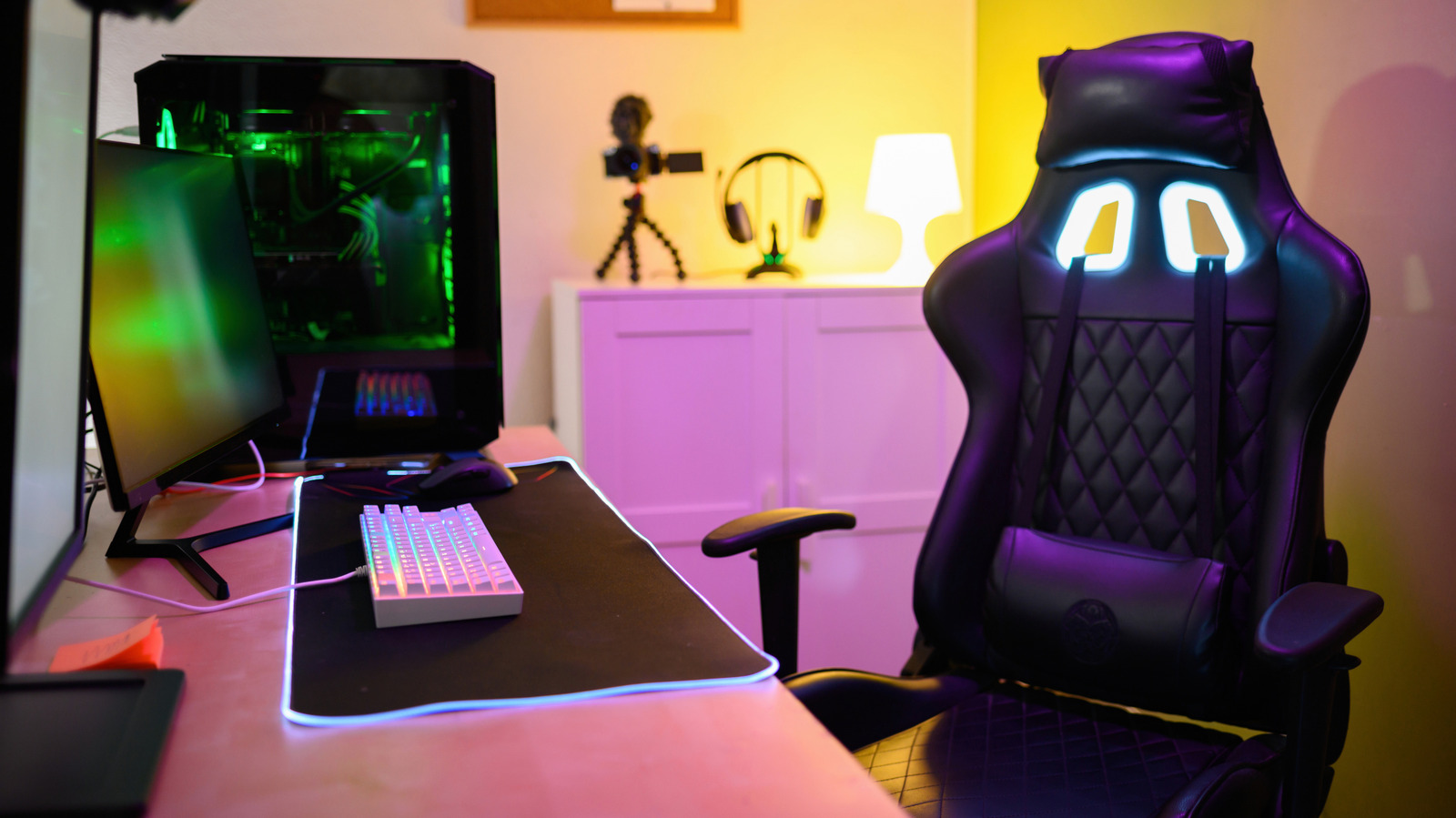
In the world of PC hardware, we are often seduced by the glow of RGB lighting and aggressive, tech-forward aesthetics. Gaming chairs are the ultimate expression of this trend. Borrowing their design from the bucket seats of race cars, these chairs are built to look impressive on a 1080p stream. However, the very features that make a racing seat effective in a car—side bolsters to keep you from sliding during high-G turns—are active detriments in a home office.
Racing-style seats are inherently restrictive. The flared "wings" on the shoulders and thighs are designed to lock a driver in place, which is the opposite of what you need for home office productivity. In a work or gaming environment, musculoskeletal health depends on micro-movements and the ability to shift positions. When you are locked into a rigid bucket seat, your range of motion is limited, leading to static muscle loading and eventual fatigue.
In contrast, the professional aesthetic of ergonomic office chairs is a direct result of their engineering. These chairs are built for a variety of body types and sitting styles. By removing frivolous extras like integrated speakers or "racing stripes," manufacturers can redirect those production costs into high-quality components that actually improve your physical well-being. The smart money understands that a chair is a tool for work and play, not a piece of cosplay gear.
The Anatomy of Support: Built-in Lumbar vs. Modular Pillows
The most significant difference between these two categories lies in how they handle your spine. If you look at most gaming brands, you will see a flat backrest accompanied by two loose pillows—one for the neck and one for the lower back. This is a modular solution to a fundamental design flaw. Because the backrest itself isn't shaped to support the natural curve of your spine, these pillows are added to fill the gap.
However, a 2022 randomized controlled trial observed that while users initially rated the plushness of racing-style gaming chairs highly, discomfort levels spiked significantly after four hours of continuous use compared to adjustable ergonomic office chairs.
This is because the lumbar support in office chairs is typically integrated into the frame. An engineered S-curve backrest provides constant, dynamic support that moves with you. Many of the best affordable office chairs with built-in lumbar support allow you to adjust both the height and the depth of the support, ensuring that it hits the correct vertebrae for your specific height.
Furthermore, the mechanical heart of the chair—the tilt mechanism—is often superior in office models. Most ergonomic office chairs use synchro-tilt mechanisms that move the backrest further than the seat during recline. This keeps your feet flat on the floor and maintains a healthier pelvic tilt, preventing the "rounding" of the lower back. Gaming chairs often use a basic center-tilt where the entire seat bucket tips back as one unit, which can put unnecessary pressure on the underside of your thighs and disrupt blood flow.
Medical Pro Tip: The 90-Degree Rule To ensure proper posture correction and alleviate shoulder tension, adjust your chair so that your knees, hips, and elbows are all at 90-degree angles. Your feet should be flat on the floor, and your eye level should be even with the top third of your monitor.
Material Science: Why Mesh Beats Synthetic Leather
The choice of upholstery is more than just a matter of "feel"; it is a matter of thermal regulation and pressure distribution. Most gaming chairs are wrapped in PU leather (polyurethane). While this material is easy to clean and looks sleek, it is non-porous. It traps body heat against your back and legs, leading to the "swamp back" phenomenon during intense summer gaming sessions or long remote work days.
Ergonomic office chairs frequently utilize a breathable mesh back. This material allows for constant airflow, which helps regulate your body temperature and keeps you focused on your tasks rather than your discomfort. Beyond temperature, high-quality mesh acts as a suspension system, distributing your weight more evenly across the surface of the chair. This prevents the "bottoming out" feeling common in cheap gaming chairs where the low-density foam loses its resilience after just a few months.
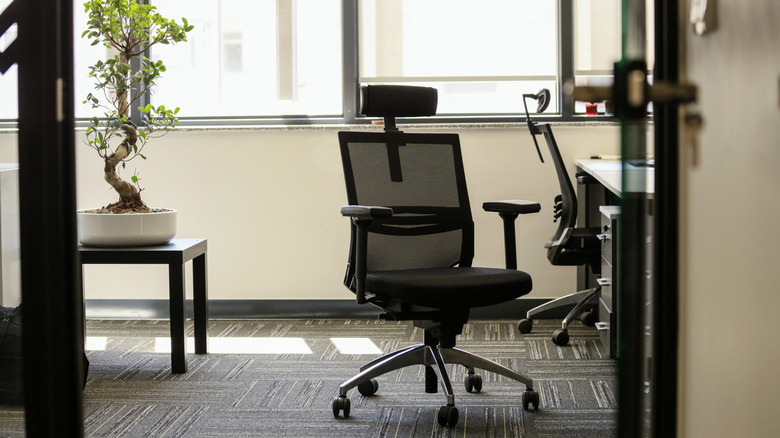
When looking for affordable ergonomic desk chairs, prioritize models that offer a mesh back paired with a high-density foam seat or a full mesh suspension. High-density foam in professional task seating is designed to maintain its shape for years, providing consistent pressure distribution and preventing chronic back pain. If you are comparing mesh vs fabric ergonomic office chairs for remote work, remember that mesh is superior for cooling, while fabric often offers a softer, more traditional feel for those in colder climates.
The ROI Analysis: Why 'Cheap' Office Chairs Last Longer
The term "cheap" is relative. In the PC hardware world, we talk about price-to-performance. A $350 gaming chair might seem like a bargain, but if it begins to creak, peel, and lose its support after two years, it is a poor investment. Mid-tier ergonomic office chairs priced between $100 and $450 provide approximately 80% of the features found in premium models at roughly 30% of the cost.
Consider the longevity. A professional ergonomic office chair is often backed by a 5 to 12-year warranty. Brands like Branch or even the mid-range models from traditional furniture giants are built to be serviced and maintained. Gaming brands, conversely, often offer a 1 or 2-year limited warranty, viewing the chair as a disposable peripheral rather than a long-term health investment.
| Feature | Gaming Brand Chair | Ergonomic Office Chair |
|---|---|---|
| Typical Lifespan | 2-4 Years | 7-10+ Years |
| Lumbar Support | Removable Pillow | Integrated S-Curve |
| Tilt Mechanism | Center-Tilt / Simple Recline | Synchro-Tilt Mechanism |
| Material | PU Leather / Low-density Foam | Breathable Mesh / High-density Foam |
| Warranty | 1-2 Years | 5-12 Years |
| Price Range | $300 - $600 | $150 - $500 (Mid-tier) |
For users looking for ergonomic desk chairs for bad posture under $500, models like the Branch Ergonomic Pro or a refurbished Steelcase Leap offer significantly better ROI than a top-of-the-line "Pro Gamer" seat. These chairs focus on adjustable seat depth and tilt, features that allow you to customize the chair to your femur length and sitting style—something most racing seats simply cannot do.
Recommended Model: Branch Ergonomic Pro
- Weight Capacity: 300 lbs
- Adjustability: 4D Armrests, Seat Depth, Lumbar Height, Tension
- Materials: Italian mesh back, high-density foam seat
- Warranty: 7-year limited warranty
- Best For: Remote professionals seeking high ROI and durability.
FAQ
What makes an office chair ergonomic?
An ergonomic chair is defined by its adjustability and its ability to support the natural curvature of the human body. Key features include adjustable seat height, seat depth, 4D armrests, and a dedicated lumbar support system. The goal of an ergonomic design is to minimize musculoskeletal strain and promote proper spinal alignment, allowing the user to remain productive for long periods without pain.
Are ergonomic chairs worth the money?
Yes, they are a primary investment in your long-term health. When you calculate the cost over a 10-year lifespan, a $400 professional office chair costs only $40 per year. Compared to the medical costs associated with chronic back pain or the frequent replacement of cheap gaming chairs, the ROI on a high-quality office chair is exceptionally high.
Can an ergonomic chair help reduce back pain?
While a chair cannot replace medical treatment, it can significantly alleviate the causes of back pain. By providing proper lumbar support in office chairs and encouraging a neutral pelvic tilt, these chairs reduce the pressure on your spinal discs. Features like a synchro-tilt mechanism allow you to stretch and move while seated, which improves circulation and reduces muscle stiffness.
What features are most important in an ergonomic chair?
The most critical features are adjustable seat depth and a reliable lumbar support system. Seat depth ensures that your thighs are supported without the chair hitting the back of your knees, which is vital for circulation. Beyond that, look for 4D armrests to prevent shoulder tension and a breathable mesh back for thermal comfort.
Are mesh chairs better than fabric for ergonomics?
Mesh chairs are generally superior for temperature regulation and provide a more "dynamic" support feel as the material contours to your back. Fabric chairs with high-density foam are excellent for those who prefer a more traditional, cushioned feel. Neither is inherently "more ergonomic," but mesh is often preferred for long sessions to prevent heat buildup.
How much should I spend on a good ergonomic chair?
For the best value, the "sweet spot" is between $250 and $500. In this price bracket, you can find budget ergonomic chairs with adjustable seat depth and tilt that offer professional-grade durability. While you can spend $1,500 on a flagship Herman Miller, the $400 mid-tier models provide the vast majority of the health benefits for a fraction of the cost.
Ultimately, the choice between gaming and office chairs centers on form versus function. If your goal is to create a tech-forward aesthetic for a streaming audience, a gaming chair might fit your brand. However, for the professional or the serious PC builder who values home office productivity and musculoskeletal health, ergonomic office chairs are the superior choice. By focusing on essential adjustments and professional-grade durability, you can secure a chair that supports your body—and your wallet—for a decade to come.