Quick Facts
- Primary Update: iOS 26.4 Beta 2 introduces the testing framework for cross-platform encryption.
- Core Feature: End-to-end encryption for RCS messaging between iPhone and Android devices.
- Security Protocol: Utilization of the Messaging Layer Security (MLS) protocol for robust cryptographic protection.
- Standard Requirement: Adoption of RCS Universal Profile 3.0 to facilitate interoperability.
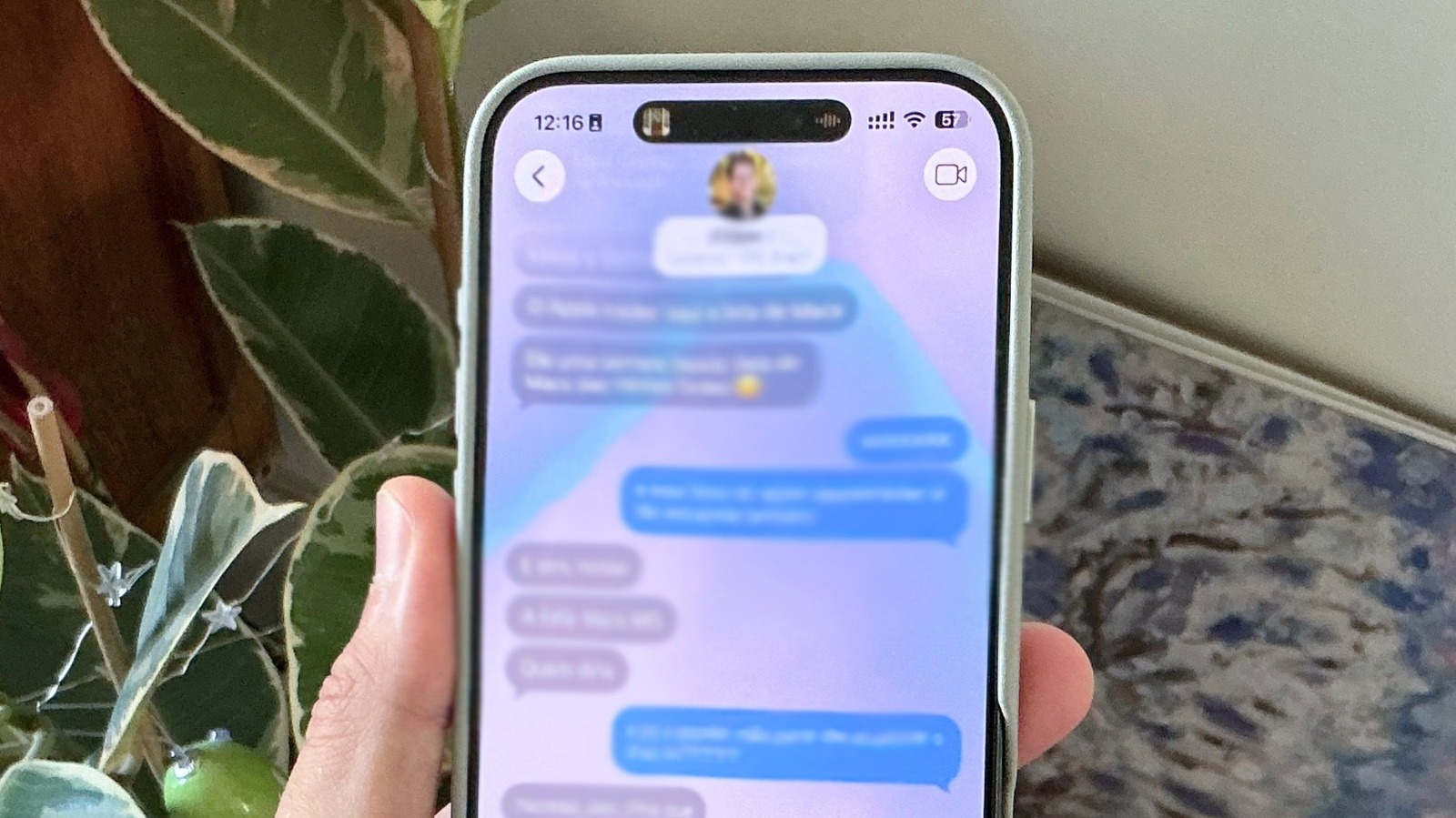
- Visual Verification: A dedicated padlock icon appearing on message bubbles to signal active encryption.
- Release Roadmap: Testing begins in iOS 26.4, with the official broad rollout scheduled for the iOS 26.5 release.
iOS 26.4 beta 2 introduces end-to-end encryption for RCS messaging between iPhone and Android devices. This update utilizes RCS Universal Profile 3.0 and the Messaging Layer Security protocol to ensure that cross-platform messages remain private and unreadable by carriers.
From Green Bubbles to Secure Tunnels: The Milestone Shift
For years, the divide between mobile ecosystems was defined by a simple color: blue versus green. While iMessage users enjoyed seamless, encrypted communication, any interaction with an Android user defaulted to the antiquated SMS or MMS standards. This was more than just a cosmetic issue; it was a significant security gap. Back in 2022, when asked about fixing the messaging experience between platforms, Apple CEO Tim Cook famously suggested that people should buy their moms an iPhone. However, the release of iOS 26.4 marks the definitive end of that era, replacing dismissiveness with cross-platform interoperability.
The scale of this shift is massive. Following Apple's initial integration of the RCS standard, global RCS messaging traffic experienced a 500% increase, proving that users were hungry for a native alternative to SMS. By the end of 2026, the global active RCS user base is projected to reach approximately 3.8 billion. With iOS 26.4, Apple isn't just joining a trend; it is securing a communication channel used by nearly half the planet.
This milestone is built on the foundation of the GSMA Universal Profile 3.0. By moving away from proprietary extensions and toward a unified global standard, Apple and Google are finally speaking the same cryptographic language. This isn't just about bubble color parity anymore; it is about ensuring that a photo sent from a daughter on an iPhone to a mother on an Android device travels through a secure tunnel rather than an open, readable broadcast.
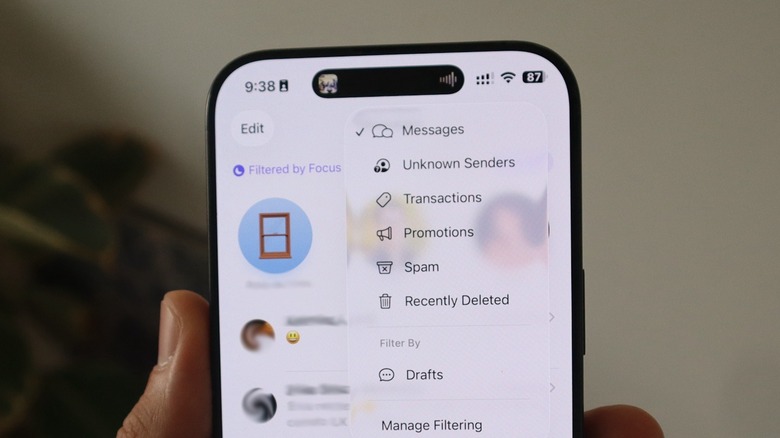
The Tech Behind the Lock: MLS and RCS Universal Profile 3.0
The magic word in iOS 26.4 is MLS, or Messaging Layer Security. While we often talk about encryption as a single concept, the method matters. Most OTT messaging apps use older E2EE protocols that can struggle with large group chats or complex multi-device synchronization. By adopting the Messaging Layer Security (MLS) protocol, Apple is using a modern, highly scalable standard designed specifically for interoperability.
The distinction between transit encryption (TLS) and end-to-end encryption (E2EE) is vital for your privacy. When you send a standard SMS, the carrier can read it. With RCS Universal Profile 3.0, the message is encrypted from the moment it leaves your device until it reaches the recipient. Even the mobile carriers handling the data cannot see the content of your texts, images, or files.
One nuance to understand in the iphone to android rcs encryption security protocol mls implementation is the difference between P2P and A2P messaging.
- P2P (Person-to-Person): These are your private chats. They are fully end-to-end encrypted under the new update.
- A2P (Application-to-Person): These are messages from businesses, like flight alerts or two-factor codes. These are currently not encrypted via E2EE to allow for brand verification and anti-spam filtering, though they still benefit from standard transit security.
The move to RCS Universal Profile 3.0 also brings a suite of rcs universal profile 3.0 features for iphone users that were previously exclusive to iMessage or third-party apps like WhatsApp.
| Feature | SMS / MMS | RCS (Universal Profile 3.0) | iMessage |
|---|---|---|---|
| End-to-End Encryption | No | Yes (iOS 26.4+) | Yes |
| High-Def Media | No (Compressed) | Yes | Yes |
| Typing Indicators | No | Yes | Yes |
| Read Receipts | No | Yes | Yes |
| Message Editing | No | Yes | Yes |
| Tapback Reactions | Limited | Yes (Full Sync) | Yes |
How to Enable and Verify iOS RCS Encryption in 26.4
Getting started with the new secure messaging standard is straightforward, though there is a specific ios 26.5 vs ios 26.4 rcs encryption release timeline to keep in mind. Apple's iOS 26.4 update introduced a new setting to enable testing for the encrypted service. If you are running the beta, you can find the toggle under Settings > Messages > RCS Messaging.
Step-by-Step Activation
- Check Software: Ensure you are on iOS 26.4 Beta 2 or later.
- Toggle RCS: Go to Settings > Messages and ensure RCS Messaging is switched on.
- Contact Verification: Open a chat with an Android user who is also using a modern version of Google Messages.
- Identify the Lock: Look for the small padlock icon on the message bubbles or near the "RCS Message" text in the input field.
If you are troubleshooting encrypted rcs between ios and android devices and don't see the lock icon, check if the recipient has RCS enabled on their device. Because this feature relies on the latest GSMA standards, both parties must be on a compatible version. If the lock is missing, the message may still be sent via standard RCS (which has transit encryption but not E2EE) or fall back to SMS.
One of the biggest concerns users have is: can carriers see rcs messages on ios 26.4? The answer, once the lock icon is visible, is a resounding no. The cryptographic key exchange happens between the devices, bypassing the carrier's ability to intercept the content. This is a massive win for metadata privacy and overall digital security.
Beyond Messaging: iOS 26.4 Security Hardening
The ios 26.4 new features list extends far beyond just messaging. This update is part of a broader push for what Apple calls Memory Integrity Enforcement (MIE). This technology hardens over 70 core system processes against zero-day exploits, making it much harder for malware to gain a foothold on your device.
We are also seeing a shift in the Android landscape that makes this update even more timely. With Samsung's exit from the messaging client market in 2026, Google Messages has become the de facto standard for Android. This consolidation means that when Apple implements iOS RCS encryption, it works seamlessly with the vast majority of the Android ecosystem right out of the box.
This update also reinforces Stolen Device Protection by making certain privacy defaults mandatory rather than opt-in. When you combine these system-level protections with the new iPhone to Android messaging encryption, iOS 26.4 becomes one of the most significant security releases in the history of the iPhone. It acknowledges that our security is only as strong as our most frequent interactions—which, for many of us, involve chatting with friends and family across different platforms.
FAQ
Is RCS on iPhone end-to-end encrypted?
Starting with the iOS 26.4 beta 2 update, RCS on iPhone supports end-to-end encryption for person-to-person chats. This is achieved by implementing the latest GSMA standards and the MLS protocol, ensuring that only the sender and recipient can read the messages.
How does RCS encryption work between iOS and Android?
The encryption works through a protocol called Messaging Layer Security (MLS) included in RCS Universal Profile 3.0. When an iPhone user texts an Android user, the two devices perform a secure cryptographic key exchange. This ensures the message is scrambled before it leaves the sender's device and is only decrypted once it arrives at the recipient's device.
What is the difference between iMessage and RCS security?
iMessage uses Apple's proprietary end-to-end encryption protocol, which is exclusive to Apple devices. RCS security in iOS 26.4 uses the industry-standard MLS protocol to provide a similar level of privacy for cross-platform conversations. While both offer end-to-end encryption, iMessage remains the primary choice for Apple-to-Apple communication, while RCS secures the gap between iPhone and Android.
Does iOS RCS support Google's encryption standards?
Yes, by adopting the GSMA Universal Profile 3.0, Apple's implementation is compatible with the encryption standards used by Google Messages. This interoperability is what allows for the padlock icon and secure messaging status to appear when texting between the two different operating systems.
Are messages sent via RCS on iPhone private?
Yes, messages sent via RCS on iPhone are private, provided both parties are using the updated standards. The end-to-end encryption prevents third parties, including Apple, Google, and mobile carriers, from accessing the content of your texts or high-definition media.
Can mobile carriers see RCS messages sent from an iPhone?
If the conversation is end-to-end encrypted (indicated by the lock icon in iOS 26.4), mobile carriers cannot see the content of the messages. They act only as the "pipes" that transport the encrypted data. However, for standard business messages (A2P), carriers may still have access to the content for verification purposes.
The Future of Secure Communication
The transition we are seeing in iOS 26.4 is more than a technical update; it is a shift in philosophy. By prioritizing how to enable rcs end-to-end encryption on ios 26.4, Apple is acknowledging that privacy should not be a walled garden. As we move toward the official release in iOS 26.5, the days of worrying about unencrypted "green bubble" chats are quickly coming to an end.
Whether you are a tech enthusiast who loves digging into the details of cryptographic key exchange or a casual user who just wants to send a private video to a friend, this update is a milestone. It proves that even the biggest competitors can find common ground when it comes to the safety and privacy of their users. Keep an eye on your Settings menu; the era of secure, cross-platform messaging has finally arrived.