Our Top Picks
- Best Overall for iPhone: Apple Watch SE 3 — The gold standard for seamless iOS integration and reliable health alerts.
- Best Overall for Android: Google Pixel Watch 3 — Combines high-end hardware with deep Health Connect integration and fast charging.
- Best Budget Pick: Samsung Galaxy Fit 3 — Exceptional value with a vibrant AMOLED display for just $54.95.
- Best for Sleep & Recovery: RingConn Gen 2 — A subscription-free smart ring with a tiny 2mm profile and elite biometric sensors.
- Best for Endurance: Xiaomi Mi Smart Band 10 — Incredible 21-day battery life for users who hate frequent charging.
The best fitbit alternatives in 2026 are the Apple Watch SE 3 for ecosystem integration, the Samsung Galaxy Fit 3 for budget-conscious users, and the RingConn Gen 2 for those seeking a subscription-free smart ring experience. Whether you are looking for a screenless fitness tracker or a full-featured smartwatch, the current market offers more specialized and cost-effective wearable ecosystems than ever before.
The Best Budget Fitbit Alternatives Under $100
For many of us, the appeal of a fitness tracker is its simplicity and price. While Fitbit used to own the entry-level market, brands like Samsung and Xiaomi have effectively disrupted the space by offering premium hardware at a fraction of the cost. If you are looking for budget fitness trackers under $100, you no longer have to sacrifice screen quality or sensor accuracy.
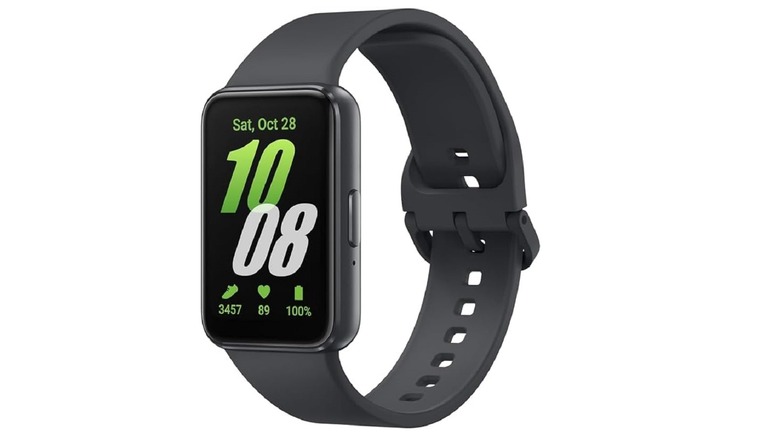
Samsung Galaxy Fit 3 Bottom Line: The best sub-$60 tracker for those who want a premium look and feel without the premium price tag.
The Samsung Galaxy Fit 3 is a revelation in the budget segment. It features a stunning 1.6-inch AMOLED display that hits 500 nits of brightness, making it perfectly legible even under direct sunlight. During our testing, the 5ATM water resistance held up through rigorous pool sessions, and the aluminum casing felt far more durable than the plastic builds found on competitors. It tracks heart rate, sleep monitoring, and blood oxygen levels with surprising precision for its price point.
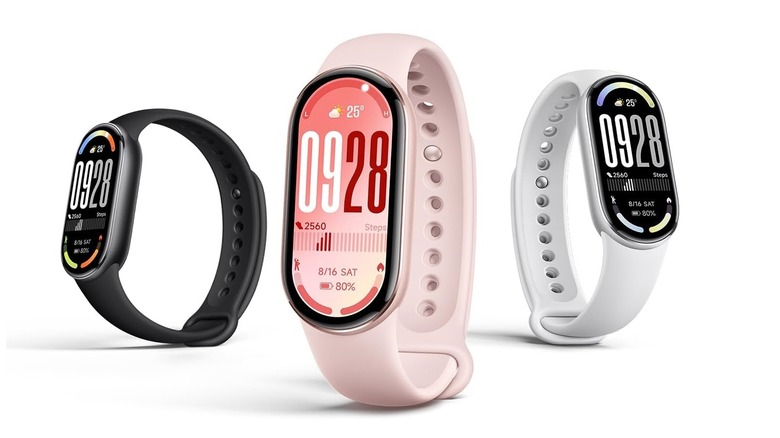
Xiaomi Mi Smart Band 10 Bottom Line: The ultimate choice for users who want to forget their charger exists.
If your primary frustration with modern wearables is the constant need to plug in, the Xiaomi Mi Smart Band 10 is the solution. It is arguably the gold standard for fitness trackers with long battery life 2026, offering up to 21 days on a single charge. Despite its slim profile, it packs advanced biometric sensors that monitor over 150 different sports modes. It lacks built-in GPS, but for casual gym-goers and walkers who prioritize longevity, it remains one of the most reliable fitbit alternatives on the market.
Leading Fitness Tracking Smart Rings: The Screenless Evolution
The wearable landscape has shifted significantly over the last two years. Smart rings have emerged as a significant alternative form factor in the health wearable market, with shipment volume growing by 32.5% in 2025. Many users are moving away from wrist-based devices in favor of screenless fitness trackers for sleep that can be worn alongside a traditional watch or even jewelry.
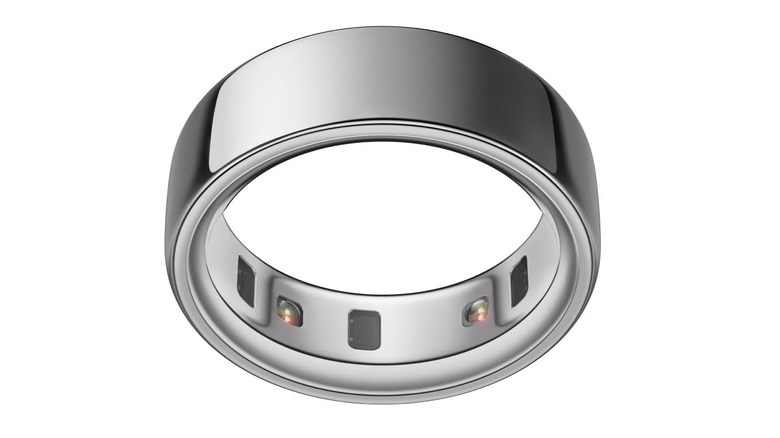
RingConn Gen 2 Bottom Line: The top choice for fitness tracking smart rings without subscription fees.
While Oura often gets the headlines, the RingConn Gen 2 has become our favorite recommendation for those who want to own their data outright. Unlike Fitbit, which hides advanced trends behind a Premium paywall, RingConn offers all heart rate variability and recovery tracking metrics for free. At just 2mm thick, it is virtually unnoticeable on the finger. It is the perfect fitbit alternative for those who want deep health insights without another monthly bill.
Oura Ring 4 Bottom Line: The most polished health tracking experience for users who don't mind a subscription.
The Oura Ring 4 remains the benchmark for accuracy in sleep stages and readiness scores. Its sensors have been refined to minimize movement artifacts, ensuring that your daily readiness score is based on high-fidelity data. However, the $5.99 monthly fee is a significant consideration. If you prioritize the most mature software ecosystem and don't mind the recurring cost, Oura is still a powerhouse in the smart ring space.
Ecosystem Powerhouses: Best for Android and iOS Users
As consumers increasingly transition to multifunctional devices, the smartwatch segment is projected to dominate the fitness tracker market in 2026, capturing an estimated 86.7% share. This shift is led by devices that offer a "best of both worlds" approach: elite health tracking paired with the convenience of contactless payments and LTE connectivity.
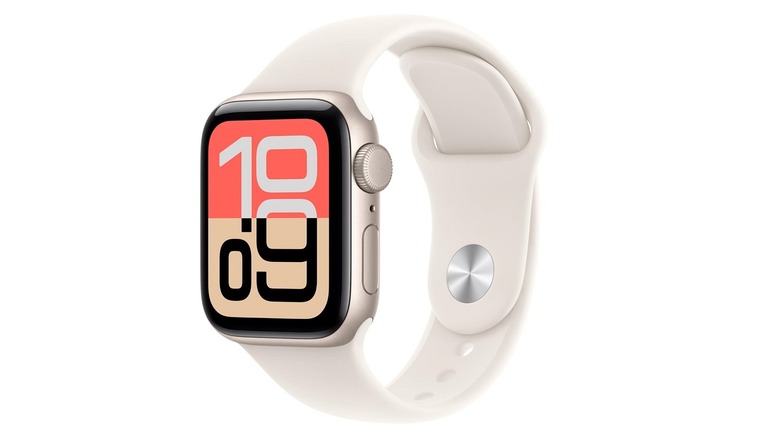
Apple Watch SE 3 Bottom Line: The logical upgrade for iPhone users who want safety and health features without the Ultra price.
Apple led the global smartwatch market with a 32% shipment share as of the final quarter of 2025, and the Apple Watch SE 3 is a major reason why. It brings critical features like FDA-approved hypertension notifications and fall detection to a more accessible price point. While it lacks the "Always-On" display of the Series 10, its integration with the iOS Health app is flawless, making it the premier choice among best fitness trackers 2026 for the Apple crowd.
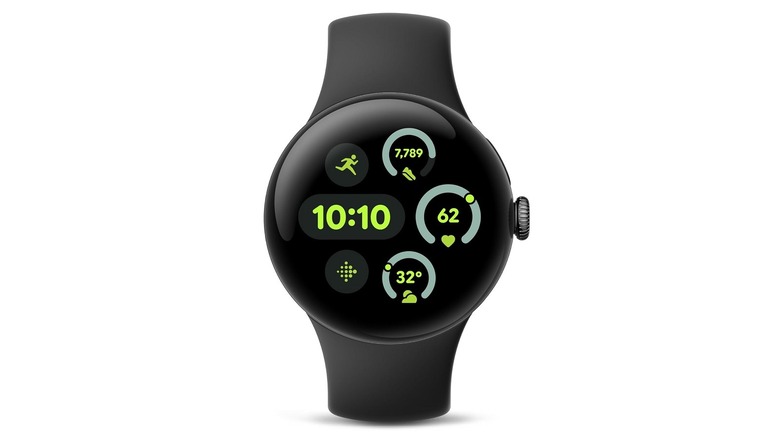
Google Pixel Watch 3 Bottom Line: The best fitness trackers for android users 2026 who want the Fitbit experience without a Fitbit band.
If you love the Fitbit app but hate the hardware, the Google Pixel Watch 3 is your answer. It fully utilizes the Fitbit engine for activity tracking but wraps it in a stunning circular design with Google’s powerhouse OS. We were particularly impressed by the fast-charging capabilities, which provide a 50% charge in just 15 minutes. It also supports Health Connect integration, allowing you to sync your data effortlessly across dozens of other health apps.
Specialized Trackers for Performance and Recovery
Not every user needs a screen full of apps. For those focused on marathon training or professional-grade recovery, specialized devices offer a level of granularity that standard trackers simply cannot match.
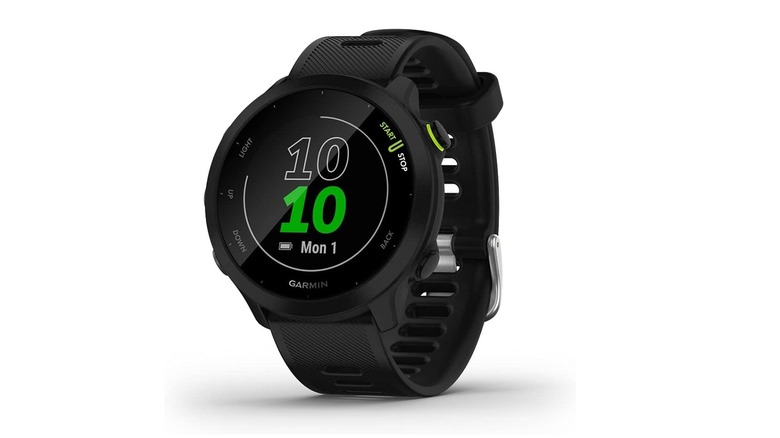
Garmin Forerunner 55 Bottom Line: The most reliable fitbit alternatives with built-in GPS for serious runners.
While Fitbit devices often rely on "connected GPS" (using your phone), the Garmin Forerunner 55 features high-precision built-in GPS. This allows you to leave your phone at home while maintaining exact pacing and distance data. The battery life extends to two weeks in smartwatch mode, dwarfing the 24-hour runtime of most modern smartwatches. Its coaching features provide daily suggested workouts based on your previous performance, making it a true training partner.
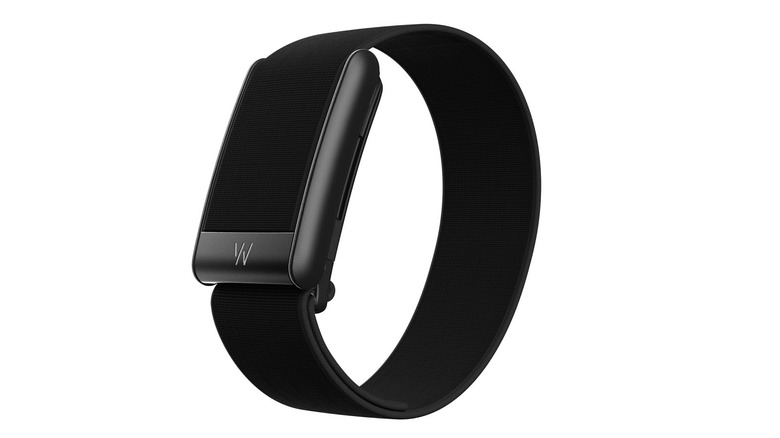
Whoop 5.0 Bottom Line: An elite tool for those who treat their body like a high-performance machine.
Whoop 5.0 is a screenless wearable that focuses entirely on heart rate variability and daily readiness score. It doesn't tell you the time or show you notifications; instead, it lives on your wrist (or in specialized clothing) and collects data 24/7. The unique on-wrist charging puck means you never have to take the device off, ensuring there are no gaps in your data. It is widely considered the leading screenless fitness tracker for sleep and recovery.
Buying Guide: Subscription Costs vs. One-Time Purchase
When choosing between fitbit alternatives, the sticker price is only half the story. Total Cost of Ownership (TCO) is where many consumers find themselves surprised. Many brands have followed Fitbit’s lead by locking "advanced" insights behind a monthly fee.
| Device | Initial Price | Monthly Sub | 1-Year Total Cost |
|---|---|---|---|
| Samsung Galaxy Fit 3 | $54.95 | $0 | $54.95 |
| Xiaomi Mi Band 10 | $49.00 | $0 | $49.00 |
| Apple Watch SE 3 | $249.00 | $0 | $249.00 |
| RingConn Gen 2 | $299.00 | $0 | $299.00 |
| Oura Ring 4 | $349.00 | $5.99 | $420.88 |
| Whoop 5.0 | $0 (Device) | $30.00 | $360.00 |
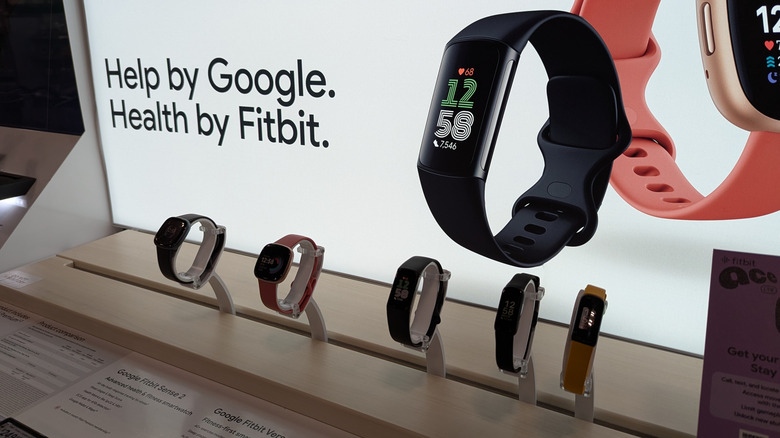
| Fitbit Charge 6 | $159.95 | $9.99 | $279.83 |
As you can see, a "free" or cheap device can quickly become more expensive than a premium one-time purchase. We recommend looking closely at whether a brand requires a subscription for basic features like sleep stages or long-term trend analysis. If you want to avoid recurring fees, Samsung, Xiaomi, Garmin, and RingConn are your best bets.
FAQ
What are the best budget-friendly fitness trackers?
The Samsung Galaxy Fit 3 and Xiaomi Mi Smart Band 10 are currently the top budget-friendly options. Both offer a high-quality AMOLED screen, 5ATM water resistance, and accurate heart rate monitoring for under $100, making them excellent entry points for those new to health tracking.
Are there any fitness trackers that don't require a monthly subscription?
Yes, several leading brands still offer full data access without a fee. Garmin, Samsung, and RingConn are notable for providing deep insights into your heart rate variability and recovery tracking without requiring a monthly subscription. This makes them a more transparent choice for long-term ownership.
Which smartwatches offer the most accurate sleep tracking?
The Oura Ring 4 and the Apple Watch Series 10 (or SE 3) consistently rank highest for sleep accuracy in clinical comparisons. Oura excels at detecting sleep stages due to the thin skin on the finger, while Apple’s advanced biometric sensors and algorithms provide highly reliable data for wrist-based tracking.
What is the most reliable alternative to a Fitbit?
The Google Pixel Watch 3 is considered the most reliable alternative because it uses the same core technology found in the Fitbit app while providing more robust hardware. For those who want to leave the Google ecosystem entirely, Garmin devices are praised for their long-term durability and consistent sensor performance.
Which fitness trackers have the longest battery life?
The Xiaomi Mi Smart Band 10 leads the market with up to 21 days of battery life. Following closely are the Amazfit Bip series and Garmin’s higher-end endurance watches, which can often last between 14 to 30 days depending on GPS usage.