Quick Facts
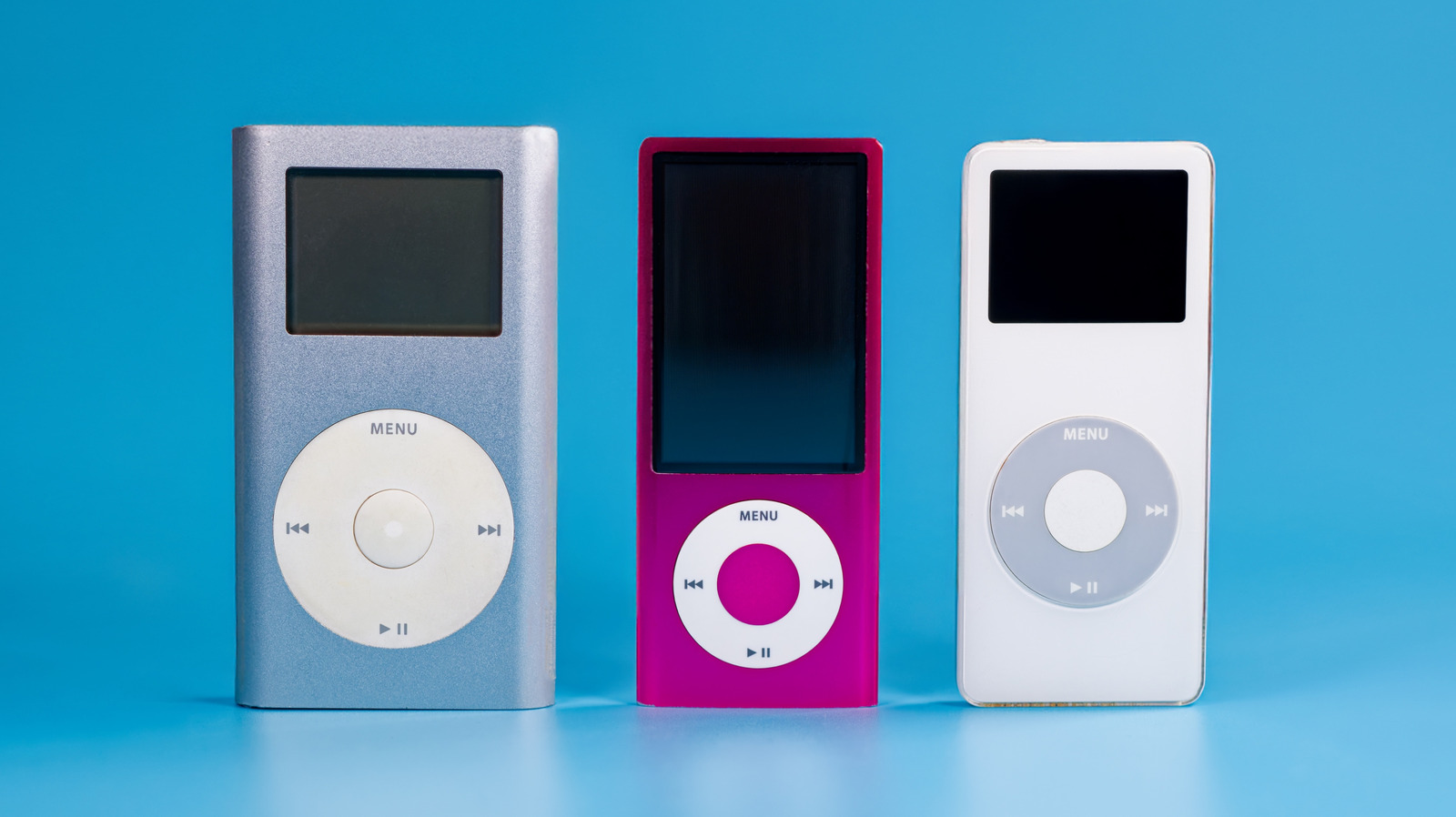
- The First Flip Phone: Martin Cooper’s 1973 Motorola prototype was explicitly inspired by Captain Kirk’s communicator.
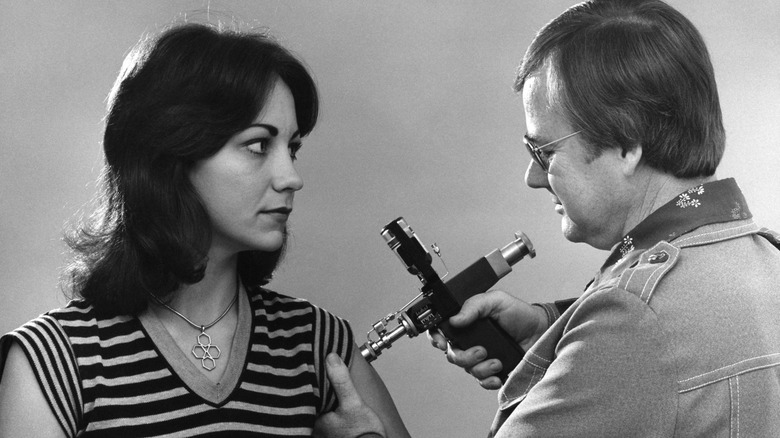
- Medical Innovation: Jet injectors, based on patents dating back to 1860, are the real-world realization of the fictional hypospray.
- Ubiquitous Tablets: The iPad and other modern tablets are direct descendants of the PADD (Personal Access Display Device) used throughout the 24th-century series.
- Real-Time Translation: Neural networks and AI-powered translation earbuds in 2026 provide the conversational speed once reserved for the universal translator.
- Bionic Sight: Modern retinal implants featuring 60-electrode arrays are mimicking the visual processing functions of Geordi La Forge’s VISOR.
- Diagnostic Sensors: The Qualcomm Tricorder XPRIZE catalyzed the creation of portable, non-invasive diagnostic tools that monitor vital signs in seconds.
Star Trek has served as a blueprint for the future since 1966. While warp drives remain theoretical, several iconic pieces of star trek tech are now part of our daily lives. From the smartphones in our pockets to AI-powered medical diagnostics, star trek technology in real life is no longer a dream. Several iconic Star Trek gadgets have real-world counterparts: handheld communicators inspired modern flip phones, PADDs parallel today's tablets, and medical hyposprays exist as jet injectors.
The Communicator: From Kirk’s Hand to Your Smartphone
When Captain James T. Kirk flipped open his gold-topped communicator to contact the USS Enterprise, audiences in 1966 saw it as pure fantasy. However, this specific vision of portable, handheld communication became the direct inspiration for the first mobile phone. Martin Cooper, the Motorola engineer who led the team that developed the first handheld cellular device, has frequently credited Star Trek for providing the spark of Silicon Valley innovation required to move away from car-bound radiophones.
The evolution of star trek tech didn't stop with the 1973 prototype. In 1996, Motorola released the StarTAC, the first consumer flip phone, which paid homage to the show’s aesthetic. By 2026, we have seen this tech influenced by star trek transition into wearable tech influenced by star trek communicators. Modern smartwatches allow for hands-free, voice-activated communication that mirrors the badges worn in Star Trek: The Next Generation. The spirit of exploration that drove the series now lives in our pockets, as we use satellite-linked devices that would make a 23rd-century Starfleet officer jealous.
The Reality Gap: Range and Power While Kirk could reach a ship in orbit, our modern gadgets inspired by star trek are tied to terrestrial cell towers or low-earth orbit satellite constellations like Starlink. We still face "dead zones" that Starfleet rarely encountered, and our batteries certainly don't last for an entire five-year mission.
The PADD: Tablets That Revolutionized Information
In the world of Star Trek, paper was a relic of the past. Officers used a PADD (Personal Access Display Device) for everything from reading mission reports to viewing star charts. When Steve Jobs introduced the iPad in 2010, the comparison was immediate. The PADD was a masterclass in speculative design, envisioning a slim, touch-sensitive interface decades before the hardware existed to support it.
Today, star trek padd technology vs modern tablet computers isn't even a contest; our modern tablets are significantly more powerful. While the PADDs on the show were often single-task devices—an officer might carry three different PADDs for three different reports—our 2026 tablets use multi-tasking neural networks and high-refresh-rate OLED screens to handle thousands of documents simultaneously. This shift toward a paperless society is one of the most accurate predictions in the star trek technology list, proving that human-computer interaction was destined to become tactile and portable.
| Feature | Star Trek PADD (24th Century) | Modern Tablet (2026) |
|---|---|---|
| Display | Static or simple touch | High-res OLED with Haptic Feedback |
| Connectivity | Shipboard LCARS network | 5G, 6G, and Satellite Wi-Fi |
| Storage | Isoliner chips | Multi-terabyte NVMe Storage |
| Weight | Approx. 300-500g | 250-600g |
The Tricorder and Hypospray: A Medical Revolution
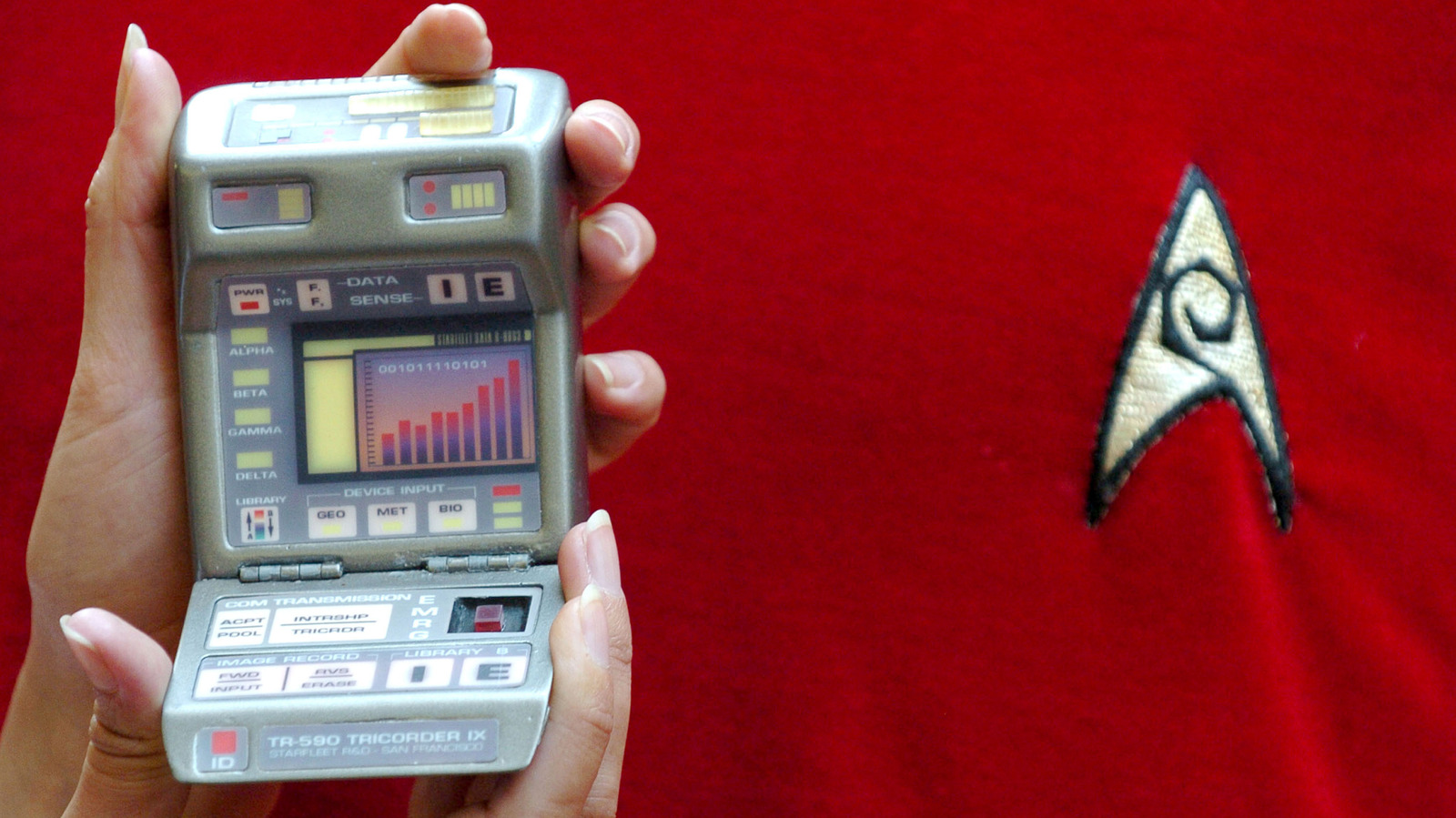
Perhaps the most life-saving examples of star trek technology in real life are found in the infirmary. Dr. McCoy’s tricorder— a handheld device that could diagnose illness without cutting the patient open—is no longer science fiction. Modern medical devices based on star trek hyposprays and tricorders are currently transforming rural healthcare and emergency response.
The Qualcomm Tricorder XPRIZE, a $10 million competition, successfully spurred the development of real world alternatives to star trek tricorders for health monitoring. Devices like the Dextra can now monitor 13 different health conditions and five vital signs continuously. Similarly, the iconic hypospray, which used pressure to inject medicine through the skin, exists today as jet injection technology. While the original patents for jet injectors date back to 1860, contemporary engineering has refined these into needle-free systems used for mass vaccinations and insulin delivery, reducing the risk of needle-stick injuries and cross-contamination.
The Reality Gap: Instant Healing We have mastered non-invasive diagnostics, but we are still far from the instant "dermal regenerator." Modern medicine can identify a broken bone or a bacterial infection via portable sensors, but the actual biological healing process still requires time, rest, and traditional pharmacology.
The Universal Translator: AI and Neural Networks
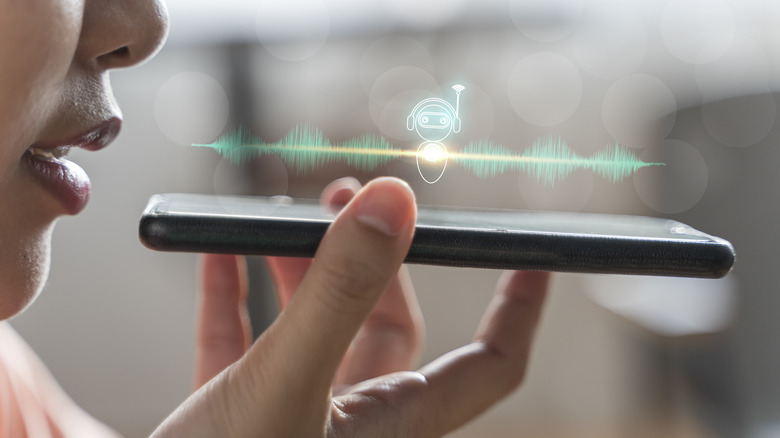
One of the greatest barriers in Star Trek was the language gap between alien species, solved by the ubiquitous universal translator. In our world, machine translation has leaped forward thanks to deep learning and neural networks. By 2026, the best star trek inspired translation apps 2026 are capable of real-time, bidirectional conversation with minimal latency.
We are now utilizing how to use ai for star trek style computer voice commands to bridge cultural divides. Wearable earbuds now perform real-time translation, allowing two people speaking different languages to hold a fluid conversation. Unlike early versions of Google Translate, which often struggled with syntax, modern AI models use context-aware processing to translate sentiment and tone, bringing us closer to the seamless telepresence envisioned by Gene Roddenberry.

The VISOR: Bionic Retinal Implants and Advanced Sight
Geordi La Forge, the chief engineer of the Enterprise-D, was born blind but saw the world through a VISOR (Visual Instrument and Sensory Organ Replacement). This piece of star trek tech is becoming a reality through the development of bionic eyes and retinal implants. Current medical ocular prosthetics utilize 60-electrode arrays implanted directly onto the retina, which stimulate the optic nerve to provide low-resolution "sight" to those with degenerative eye diseases.
Recent breakthroughs in prototype engineering have even integrated LIDAR sensors—the same technology used in self-driving cars—into headsets for the visually impaired. These devices provide haptic feedback or auditory cues to help users navigate complex environments. While we haven't reached the point where a headset can see into the infrared or ultraviolet spectrum as Geordi’s could, the bridge between biology and machine vision has been firmly established.
Reality Check: The 'Still Theoretical' List
While we celebrate the star trek tech that exists today, it is important to maintain scientific integrity regarding the more exotic concepts. Some technologies remain grounded by the laws of physics or extreme energy requirements.
- Transporters: While scientists have achieved quantum entanglement and "teleported" information across miles, moving solid matter requires deconstructing and reconstructing atoms with a precision that current computing power cannot handle. The energy required to store the data of a single human body is larger than the total digital storage currently available on Earth.
- Warp Drive: NASA has explored blueprints for a "warp bubble" (the Alcubierre drive), but it requires "negative energy" or exotic matter that hasn't been proven to exist in stable forms.
- Holodecks: We have advanced VR and interactive projection rooms, but "solid-matter" light remains a dream. However, the use of LIDAR and high-fidelity haptics is creating increasingly immersive environments.
- Androids: Characters like Data are the inspiration for modern humanoid robots. Models like Tesla's Optimus and Unitree's G1 use AI to mimic human movement, though they lack the "positronic brain" required for true sentience.
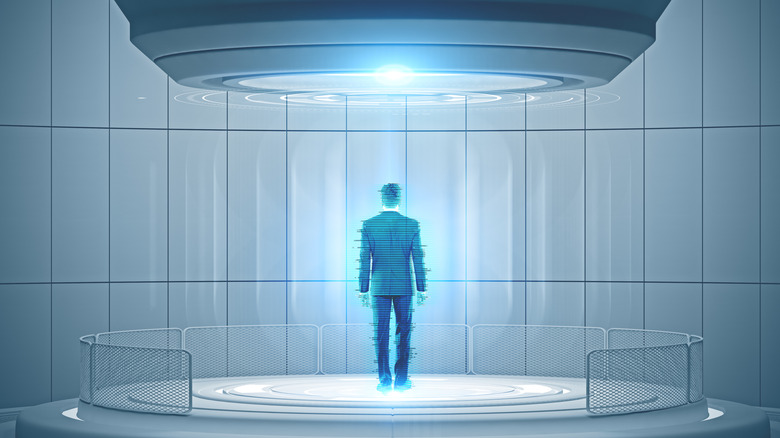
The legacy of Star Trek is not just in the gadgets themselves, but in the way it encouraged scientists to ask "What if?" As we continue to refine our bionic sensors and AI interfaces, we move one step closer to a future defined not by what we lack, but by what we can imagine and build.
FAQ
What tech did Star Trek inspire?
Star Trek inspired a wide range of modern devices, most notably the mobile phone through the handheld communicator. It also influenced the development of tablet computers (PADDs), needle-free medical injections (hyposprays), and real-time voice translation software.
What are the names of some of the technologies used in Star Trek?
Key technologies include the Transporter for travel, the Warp Drive for faster-than-light propulsion, the Replicator for creating food and objects, the Tricorder for environmental and medical scanning, and the Holodeck for virtual reality simulations.
What do they call the computer in Star Trek?
In Star Trek, the primary interface is simply called Computer. It is a voice-activated system that uses a sophisticated natural language processor, very similar to modern AI assistants like Alexa, Siri, or advanced LLM-based voice interfaces.
What is the name of the technology in Star Trek?
The overarching design language for the computer systems is known as LCARS (Library Computer Access and Retrieval System). Other specific technologies include Phasers (energy weapons), Photon Torpedoes, and Cloaking Devices.