Quick Facts
- Best Desktop Upgrade: Use old speakers as computer speakers by adding a compact integrated amplifier.
- Modern Connectivity: Connect a wireless audio adapter to a vintage receiver to enable modern streaming.
- Sustainability: Upcycling electronics significantly reduces e-waste and extends the life of high-quality hardware.
- Top Wireless Component: The WiiM Pro Plus or 1Mii B06+ are excellent choices for adding digital features.
- Audio Quality Tip: Integrating a Digital-to-analog converter (DAC) between your PC and amplifier ensures the cleanest sound.
- Vinyl Readiness: Using old passive speakers with a turntable requires a dedicated phono preamplifier for proper signal levels.
Modernize your home audio by learning how to repurpose old speakers into high-performance sound systems for your PC, turntable, or smart home. To repurpose old speakers for modern use, you can integrate them into a desktop setup using a 3.5mm-to-RCA cable and an amplifier, or add a wireless audio adapter to an old stereo receiver for streaming capabilities. These methods allow high-quality analog gear to interface with digital sources like PCs, smartphones, and turntables.
There is a specific kind of magic found in the heavy, wood-veneered cabinets of a bygone era. As an editor who spends his days testing the latest noise-canceling earbuds and smart speakers, I often find myself returning to my 1970s Advent Loudspeakers when I want to actually hear the music. There is an analog soul in vintage gear that modern, DSP-heavy plastic speakers often struggle to replicate.
However, many of us have these gems gathering dust in the garage or attic because they do not have a USB port or a Wi-Fi antenna. The good news is that the bridge between the analog past and the digital present is narrower than you think. There is a growing movement toward restoring this gear; in fact, Google search interest for audio equipment repair near me increased by 91% between 2020 and 2024. People are realizing that older, high-fidelity hardware is built to last in a way that modern "disposable" tech is not.
1. The Ultimate Gaming & Workstation Audio
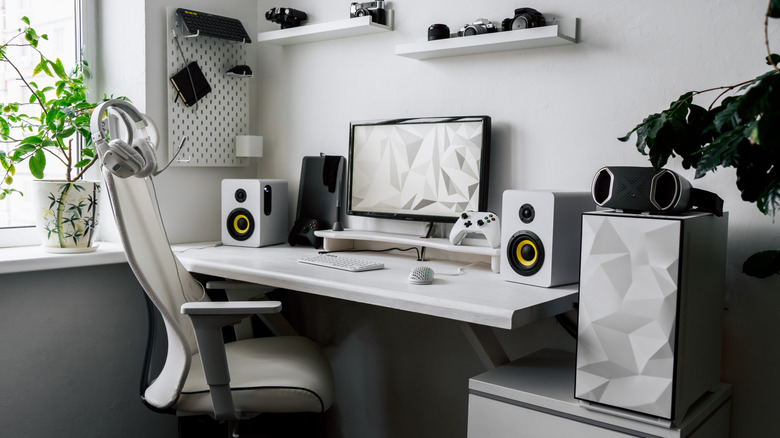
If you are currently using the built-in speakers on your monitor or a pair of cheap plastic USB desktop speakers, you are missing out on about 70% of the experience. One of the most rewarding projects is to repurpose old speakers as computer speakers. Whether you are editing video or getting lost in an open-world RPG, the depth and soundstage provided by a pair of vintage bookshelf speakers is incomparable.
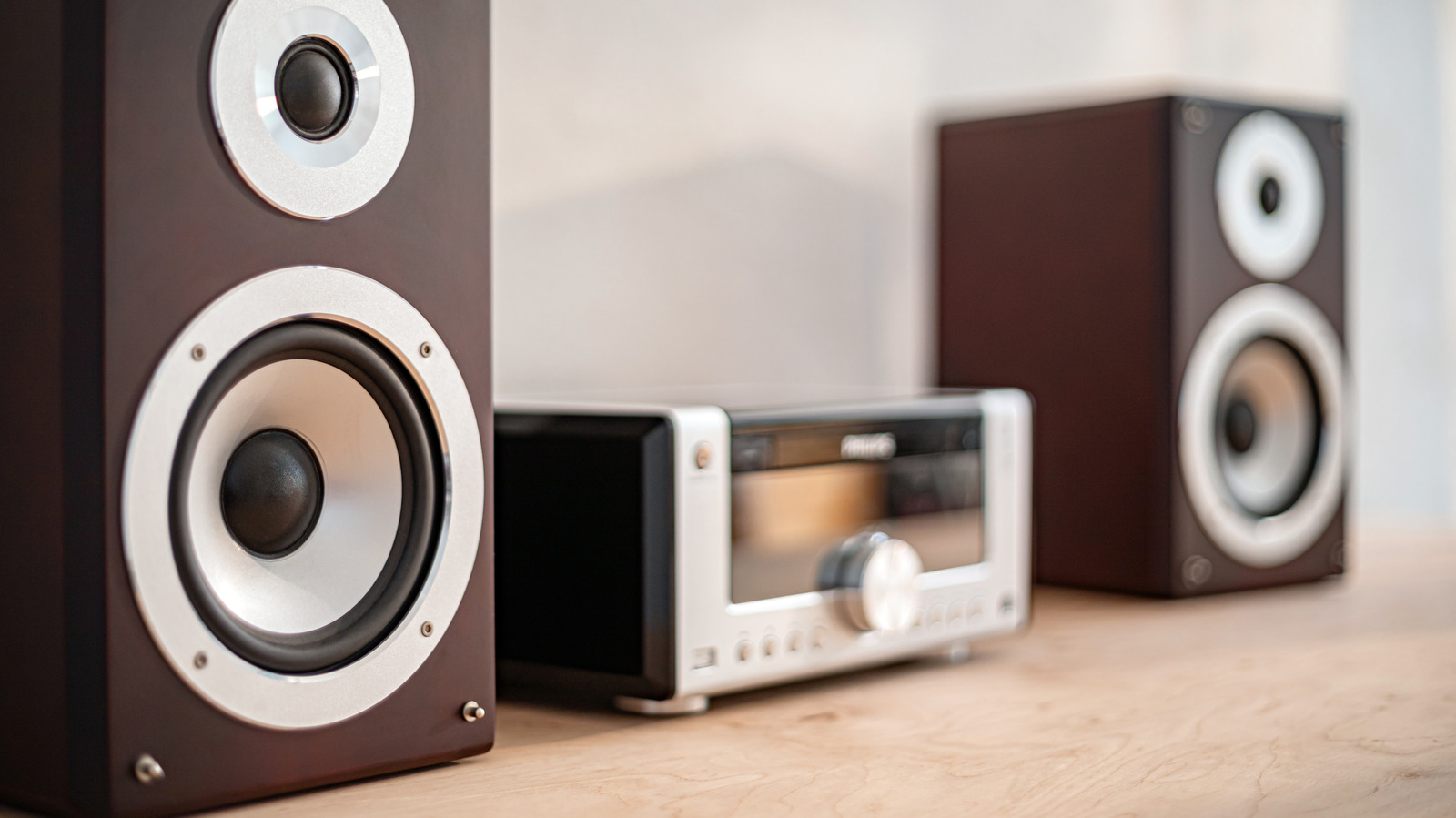
Most old speakers are passive, meaning they do not have a built-in power source. To use them with a PC, you will need a small integrated amplifier or a vintage receiver. The setup is straightforward: use a 3.5mm-to-RCA cable to connect your computer's headphone jack to the "CD" or "Aux" input on the back of the amplifier. From there, standard speaker wire connects the amp to your speakers.
For those who want to take it a step further, I highly recommend adding a Digital-to-analog converter (DAC). Computers are notoriously noisy environments for audio signals due to internal electrical interference. An external DAC sits between your computer and your amplifier, taking over the heavy lifting of converting 0s and 1s into an analog signal. This results in a much lower floor for background hiss and a more detailed, transparent sound. This is an excellent way to repurpose old hifi speakers for gaming room environments where immersive sound is a priority.
2. Transforming Legacy Amps into Wireless Hubs
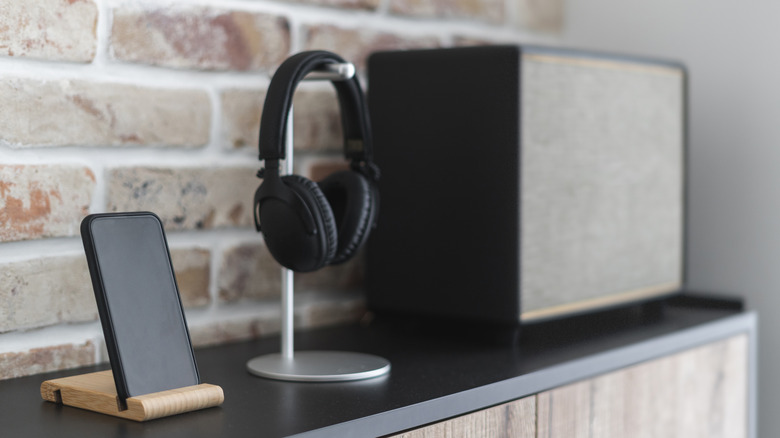
You do not need to throw away your favorite 1980s Marantz or Pioneer receiver just because it does not have Spotify Connect. You can easily add bluetooth to old stereo receiver units by purchasing a dedicated wireless audio adapter. This is a cost-effective way to modernize high-quality older hardware without sacrificing its original sound signature.
When choosing a Bluetooth receiver, look for devices that support high-quality codecs like aptX or LDAC. Standard Bluetooth can compress audio, stripping away the very warmth you are looking for in vintage gear. Devices like the 1Mii B06+ plug directly into the RCA connectors on the back of your legacy amp. Once paired with your phone or tablet, your vintage HiFi system becomes a modern streaming powerhouse.
If you want even higher quality, consider converting old stereo system to wifi streaming instead of Bluetooth. Wi-Fi streaming (using protocols like AirPlay 2 or DLNA) does not compress the audio as heavily and has a much longer range. A WiiM Mini or Pro can turn a fifty-year-old amplifier into a smart home hub that you can control from your smartphone. It is a fantastic example of upcycling electronics to keep them out of the landfill.
3. Creating a Dedicated Vinyl Listening Station
There is a reason the 25-34 age range represents the largest audience segment for vintage audio today. Younger generations are craving a tactile connection to music, and nothing provides that quite like vinyl. If you have inherited a set of floor-standing speakers, they are the perfect foundation for a dedicated listening nook.
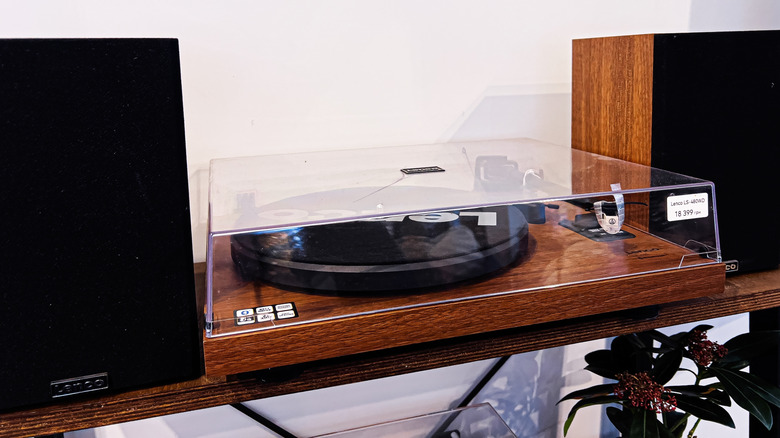
To connect turntable to old speakers, you must understand the signal path. A turntable’s output signal is incredibly weak and requires a specific type of equalization.
The Vinyl Signal Path:
- Turntable: Produces the raw analog signal.
- Phono Preamplifier: Boosts the signal and applies RIAA equalization. (Some vintage receivers have this built-in; look for the "Phono" input).
- Integrated Amplifier: Provides the power to drive the speakers.
- Old Speakers: Converts the electrical energy back into sound waves.
If your receiver does not have a phono input, you will need to buy an external phono preamplifier. This small box sits between the turntable and your amp's "Aux" input. Once you have this chain established, you will experience the soundstage enhancement that only large, physical bookshelf cabinets can provide.
4. Multi-Room Audio: From Kitchen to Patio
Repurposing old speakers does not always mean a permanent installation in the living room. Because many legacy speakers are relatively portable and incredibly durable, they are perfect for lifestyle scenarios where you might not want to risk an expensive, modern smart speaker.
Think about repurposing old bookshelf speakers for kitchen music. By mounting them on top of cabinets and connecting them to a hidden mini-amplifier with Wi-Fi capabilities, you can have high-fidelity sound while you cook without taking up precious counter space.
Similarly, you can set up old speakers for outdoor patio party use. While you should not leave vintage indoor speakers outside permanently (humidity and temperature swings are the enemies of paper speaker cones), they make for a fantastic temporary setup. They generally offer much better sound coverage and volume than a small, battery-powered Bluetooth speaker.
By keeping this gear in use, we are also making a positive environmental impact. According to the Global E-waste Monitor 2024, only 22.3% of the 62 million metric tons of electronic waste generated globally in 2022 was documented as formally collected and recycled. Every time we repurpose old speakers, we are extending the lifecycle of heavy components that would otherwise contribute to this global crisis.
5. Technical Audit: DIY Restoration Tips
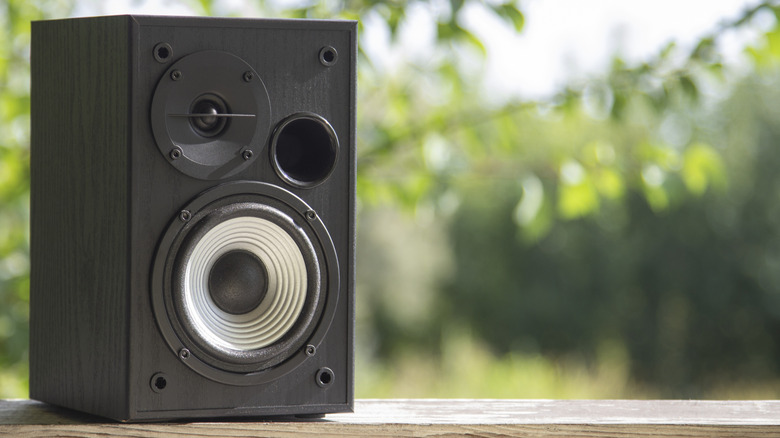
Before you plug everything in and crank the volume, a little maintenance goes a long way. Vintage equipment often suffers from "scratchy" controls caused by dust and oxidation inside the knobs. A quick spray of DeOxit (a specialized contact cleaner) into the potentiometers can make a 40-year-old receiver feel and sound brand new.
Furthermore, you must pay attention to impedance matching. Most home speakers are rated at 8 ohms, but some vintage models might be 4 ohms. If your amplifier is not rated to handle a 4-ohm load, you risk overheating it. Check the back of your speakers and the back of your amplifier for these numbers before finishing your setup.
| Component | Checkpoint | Why it Matters |
|---|---|---|
| Speaker Cones | Check for "foam rot" | Surrounds can crumble over time, causing distorted sound. |
| Terminals | Clean with alcohol | Ensures a solid, static-free connection for the Analog signal. |
| Cables | Check for frayed ends | Prevents short circuits that can damage your Integrated amplifier. |
| Placement | Ensure ventilation | Vintage amps run hot and need airflow to prevent component failure. |
By taking these small steps, you join a vibrant audiophile community dedicated to preserving the history of sound. Whether you are using a bluetooth adapter for old stereo listening or building a high-end gaming station, you are honoring the craftsmanship of the past while enjoying the convenience of the present.
FAQ
What can I do with old stereo speakers?
You can use them as high-quality computer speakers, integrate them into a home theater setup, build a dedicated vinyl listening station, or create a multi-room audio system using modern Wi-Fi streamers. Their superior cabinet size often provides better bass and depth than modern compact speakers.
Can you convert old speakers to Bluetooth?
Yes, you can convert them by connecting a Bluetooth receiver to the amplifier that powers the speakers. You simply plug the receiver into the auxiliary or RCA inputs on your amp, and then pair your phone to the receiver to stream music wirelessly.
How do I make old wired speakers wireless?
To make wired speakers wireless, you need a wireless audio adapter (either Bluetooth or Wi-Fi) and an amplifier. The adapter receives the digital signal from your device and sends it to the amplifier, which then sends the powered analog signal to your speakers through standard wires.
Can old speakers be used with a modern TV?
Absolutely. Most modern TVs have an optical audio output or HDMI ARC. You can use a digital-to-analog converter to connect your TV's optical output to a vintage receiver's RCA inputs, allowing you to enjoy TV sound through your classic HiFi system.
How can I reuse speakers from an old car?
Reusing car speakers for home use requires building custom enclosures, as car speakers are designed to use the car's door cavity as a "box." Once in a box, you can power them with a 12V power supply and a small class-D amplifier for a unique DIY desktop setup.
Are old speakers better than new ones?
In many cases, yes. High-quality vintage speakers were often built with better materials and larger magnets than modern budget speakers. While modern high-end gear is excellent, vintage speakers often provide a warmer, more natural sound for a fraction of the price of new premium equipment.