Quick Facts
- Financial ROI: Potential for up to $720 per year in electricity savings through automated scheduling.
- Compatibility: Best results require mechanical switch appliances that remain in the 'On' position.
- Energy Savings: Capable of reducing standby power consumption by 5-10% in the average home.
- Top Value: The Kasa EP25 4-pack offers the best bang for your buck at approximately $12.50 per unit.
- Future Proofing: Prioritize the Matter protocol for the best compatibility across the home automation ecosystem.
- Safety First: Never exceed the amperage rating or load capacity of the smart plug, especially with heating elements.
Upgrading your home doesn't require expensive new tech. By choosing the right smart plug appliances, you can turn 'dumb' devices into automated tools for under $15. Whether you want to automate a coffee maker or secure your home with smart plug ideas for lamps, the secret lies in finding mechanical switch appliances that play well with automation.
The 'Resume Power' Test: Will Your Appliance Work?
Before you start buying every smart plug on the shelf, you need to know the golden rule of home automation: the Resume Power test. Not every device is built to be controlled by an external power source. Modern appliances with digital touchscreens or "soft" power buttons usually revert to a standby mode when power is cut and restored. This means if you use a smart plug to turn the power back on, the appliance will sit there waiting for you to physically press 'Start' again.
To see if your device is a candidate for easy smart plug appliances upgrades, perform a simple 30-second test. Turn the appliance on, then unplug it directly from the wall. Wait ten seconds and plug it back in. If the device immediately starts running again without you touching any buttons, it has a physical mechanical switch and is perfect for automation. If it stays dark or enters a 'Wait' mode, it won't work with a basic smart plug for remote toggling.
When you look for the best mechanical switch appliances for smart plugs, think of older technology. Think of the lamps with the turn-knob, the fans with the physical 1-2-3 buttons, or the basic coffee percolator with a simple toggle switch. These 'dumb' devices are actually the 'smartest' choices for integration because they are predictable and reliable.
| Appliance Type | Compatibility | Why It Works (or Doesn't) |
|---|---|---|
| Mechanical Floor Lamp | High | Physical switch stays in the 'On' position. |
| Basic Box Fan | High | Dial remains set to your preferred speed. |
| Digital Air Fryer | Low | Requires a manual button press to restart. |
| Basic Slow Cooker | High | Manual knob (Low/High) remains physically engaged. |
| Modern Smart TV | Low | Usually goes into a standby state when power returns. |
1. Lamps and Lighting for Smart Security
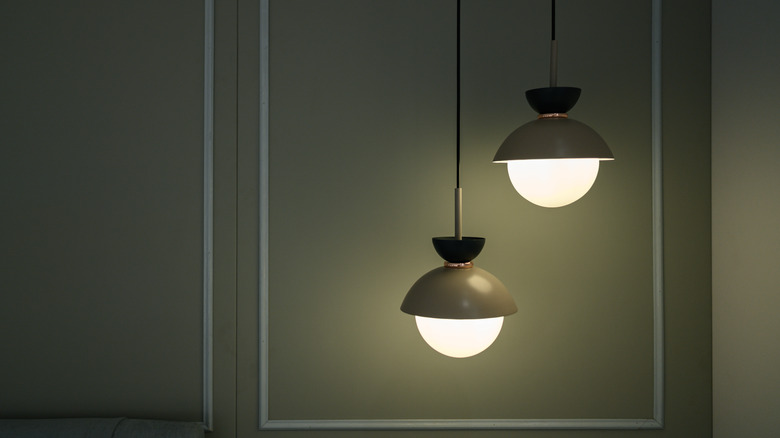
One of the most effective smart plug ideas for lamps and security is creating a lived-in look while you are away. Using smart plug automation ideas, you can move beyond simple timers that turn on at 6:00 PM every day—which savvy burglars can easily spot. Most modern smart plug apps offer a 'Vacation Mode' or 'Away Mode' that randomizes when your lamps turn on and off within a specific window of time.
Integrating these lamps into your home automation ecosystem allows for sunset and sunrise triggers. By using your local coordinates, the smart plug can automatically adjust its schedule as the days get shorter in the winter and longer in the summer. This ensures your porch light or living room lamp is always on when you get home, without you ever needing to touch a wall switch. This is a foundational step in energy efficient smart home upgrades because it eliminates the need to leave lights on all day just to have them on at night.
2. Bedside Fans and Humidifiers
If you struggle to sleep without a cool breeze or a specific humidity level, smart plug appliances can be a game-changer for your bedroom. Connecting dumb fans to smart home sensors allows you to create a feedback loop that the manufacturer never intended. For example, you can pair a cheap smart plug with a separate temperature and humidity sensor.
Using smart scenes, you can program the fan to turn on only when the room temperature exceeds 74 degrees and turn off once it hits 70. This prevents you from waking up shivering in the middle of the night. Similarly, you can keep your bedroom at the perfect 50% humidity by connecting a basic humidifier to a smart plug. When the sensor detects dry air, it triggers the plug. This level of IoT integration provides the benefits of a $300 high-end climate control system for the price of a $10 plug and a $15 sensor.
3. Basic Kitchen Gadgets: Coffee Makers and Slow Cookers
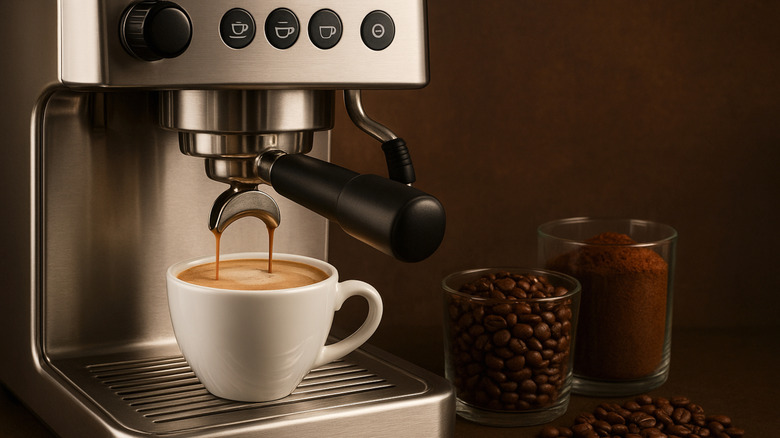
There is nothing quite like waking up to the smell of fresh coffee. While many high-end machines have built-in timers, they are often difficult to program. If you have a simple drip machine, you can automate coffee maker with smart plug technology in seconds. Just prep the coffee and water the night before, leave the physical toggle switch in the 'On' position, and set a schedule in your app.
Beyond the morning brew, smart plug automation for slow cookers provides an extra layer of peace of mind. While most slow cookers are safe to leave unattended, you might find yourself stuck at work longer than expected. With a smart plug, you can remotely turn off the cooker to prevent your meal from overcooking or drying out. However, always be mindful of the amperage rating. Most kitchen appliances draw significant power, so ensure your smart plug is rated for at least 15 amps to handle the load capacity safely.
4. Air Purifiers and Heaters: Improving Air and Comfort
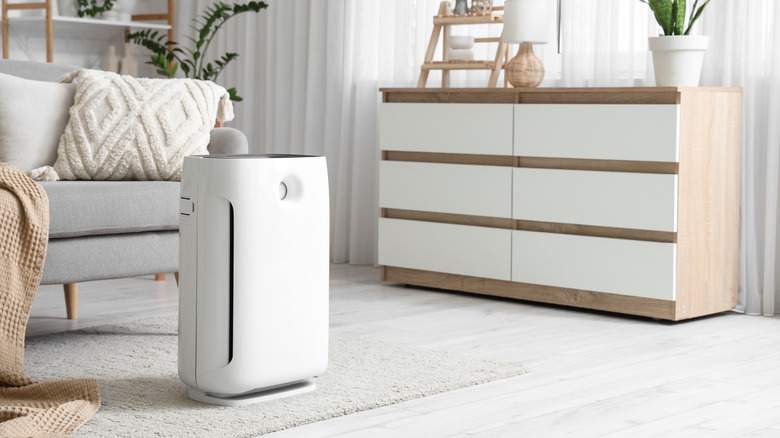
Air purifiers are excellent candidates for energy efficient smart home upgrades. Many people leave them running 24/7, which isn't always necessary and leads to faster filter wear. By scheduling air purifiers with smart plugs, you can ensure they run at full blast an hour before you get home and during the night, while staying off during the workday when the house is empty. This targeted use extends the life of your device and reduces your monthly bill.
However, a critical safety warning: when it comes to high-wattage devices like space heaters or window air conditioners, you must be extremely cautious. These devices often draw the maximum current a standard outlet can provide. Most 'cheap' smart plugs are not designed to handle the sustained heat generated by a space heater. If you must use one, ensure it has a high-quality UL certification and is specifically rated for high-wattage loads. For most users, we recommend safe appliances to use with smart plugs like air purifiers or small desk fans rather than heavy heating equipment.
5. Network Optimization: The Automated Router Cycle
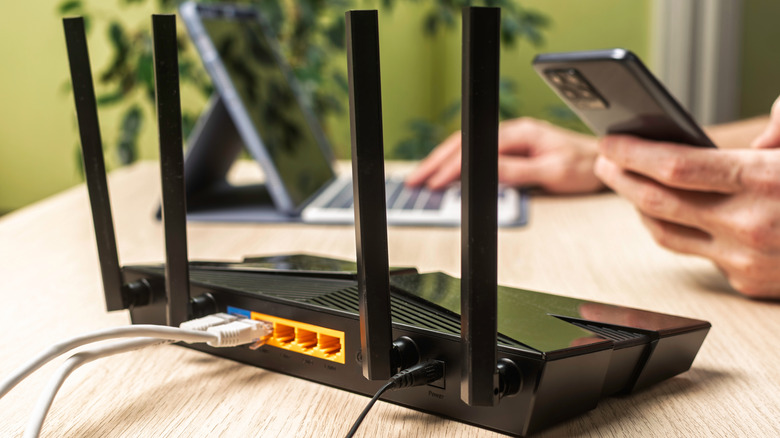
We have all experienced the frustration of a slow internet connection that is magically fixed by "unplugging it and plugging it back in." This process, known as a power cycle, clears the router’s system cache and re-establishes fresh connections with your ISP. You can power cycle router with smart plug automatically by setting a schedule to turn the router off for 60 seconds at 3:00 AM every Tuesday and Friday.
This small bit of maintenance can significantly improve the stability of your connectivity protocols across all your devices. It is especially helpful if you have a large number of smart home devices that occasionally "ghost" or drop off the network. By keeping the brain of your home fresh, you ensure a smoother experience for all your other smart plug appliances. Just make sure you don't set the schedule to turn off the router and then rely on that same router's Wi-Fi to turn it back on—Bluetooth-enabled smart plugs or those with local schedules are essential for this specific task.
Energy ROI: Defeating Phantom Load
The financial benefit of these devices goes beyond simple convenience. Standby power, also known as phantom energy drain, can account for up to 10% of a typical household's total electricity consumption, which smart plugs can eliminate by completely cutting power to idle devices. When you multiply this across several rooms, the savings add up quickly.
In 2024, the residential segment dominated the global smart plug market, accounting for approximately 73% of the total market share due to the rising adoption of home automation for energy conservation. Consumers are realizing that these $10-$15 gadgets pay for themselves within the first year. According to 2023 reports, the strategic use of smart plugs to manage home devices can reduce the energy consumption of connected appliances by as much as 30%.
By targeting devices with a high phantom load—like older game consoles, audio amplifiers, or desktop monitors—you can see a direct impact on your utility bill. Using affordable smart plug upgrades for old appliances is one of the most cost-effective ways to make an aging home feel modern and efficient.
FAQ
What appliances work best with smart plugs?
Appliances with physical mechanical switches are the best candidates. This includes devices like floor lamps, bedside fans, basic coffee makers, and air purifiers. If the device has a dial or a toggle switch that stays in the 'On' position when the power is cut, it will work seamlessly with a smart plug.
Can I use a smart plug for high-wattage appliances?
It depends on the specific rating of the plug. Most standard smart plugs are rated for 10 to 15 amps. You should always check the wattage of your appliance and the load capacity listed on the plug. High-wattage items like air fryers or microwaves can easily exceed these limits, potentially causing the plug to overheat or fail.
Are smart plugs safe for heaters and air conditioners?
Generally, no. We do not recommend using standard smart plugs for space heaters or window air conditioning units. These appliances draw a high, sustained current that can melt the internal components of a basic smart plug. If you must automate these, look for heavy-duty smart outlets specifically rated for high-wattage appliances and ensure they have a UL certification.
Do smart plugs save money on energy bills?
Yes, they can. By eliminating phantom load and using schedules to ensure devices are only powered when needed, you can reduce your appliance energy usage by up to 30%. They are particularly effective for devices that stay in standby mode and 'vampire' energy throughout the day.
Can smart plugs damage your electronics?
For most devices, smart plugs are perfectly safe. They act just like a wall switch. However, you should avoid using them for devices that require a specific shutdown sequence, such as a desktop PC or a 3D printer, as cutting the power abruptly could result in data loss or mechanical issues. For simple 'dumb' appliances, there is no risk of damage.