Quick Facts
- Top Pick: The RedMagic 11 Pro Plus stands out as the ultimate powerhouse due to its integrated active cooling and massive 24GB LPDDR5X RAM.
- Best Premium Choice: The Samsung Galaxy S25 Ultra offers the most refined software experience and an industry-leading display for high-fidelity gaming.
- Best Value: The Poco F7 Pro provides the necessary Snapdragon 8 series power at a fraction of the cost of traditional flagships.
- Performance Benchmark: Modern flagship devices utilizing the Snapdragon 8 Elite deliver more than four times the raw graphical performance of the Nintendo Switch.
- Emulation Essential: High-performance mobile gaming in 2026 relies on optimized Turnip drivers and the Eden emulator to achieve stable 60 FPS in demanding titles.
- Thermal Management: Sustained gaming requires advanced mobile cooling systems for gaming, such as active fans or massive vapor chambers, to prevent performance drops.
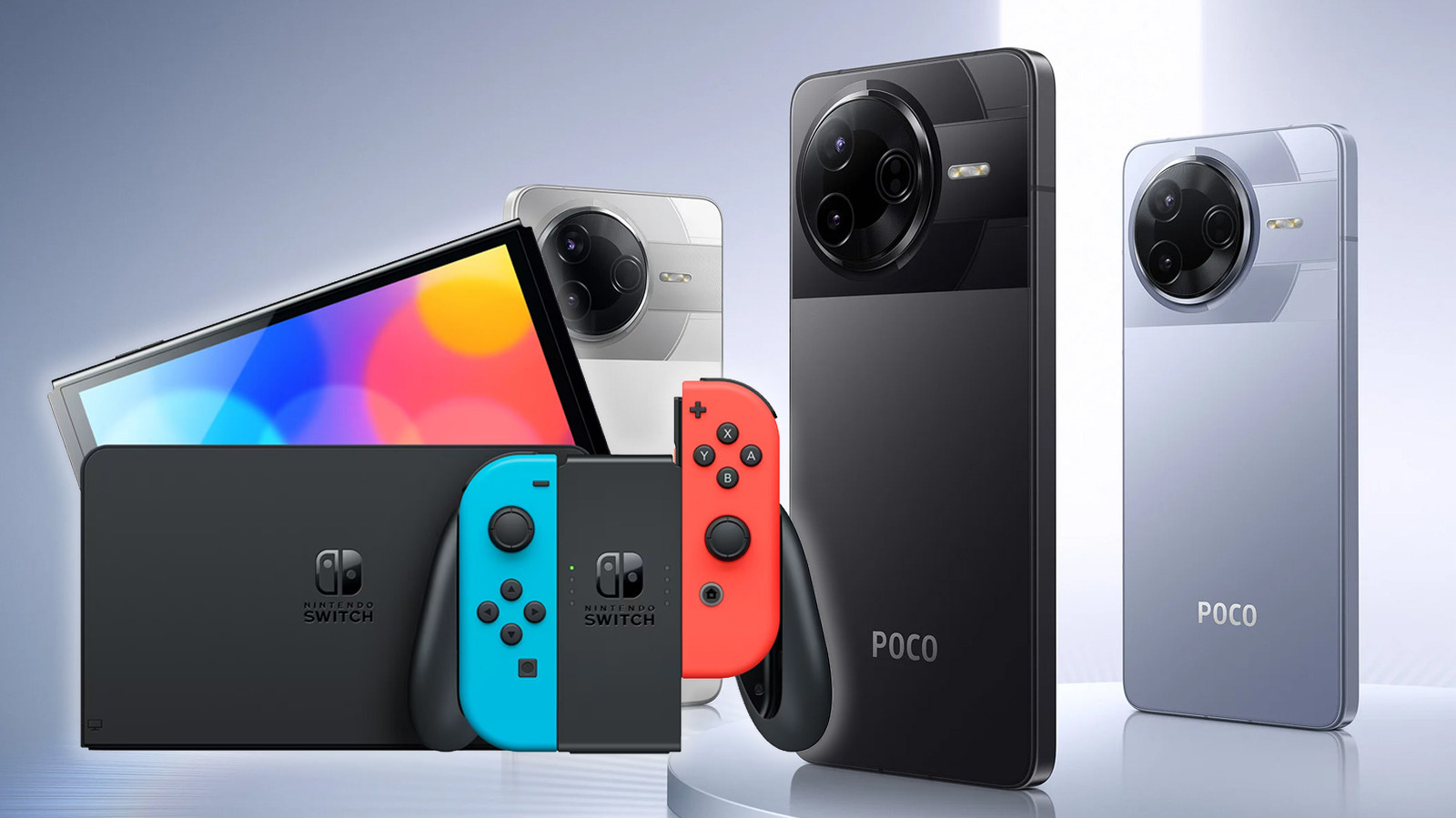
In 2026, the landscape of handheld entertainment has shifted dramatically, as the best gaming phones now offer a level of performance that fundamentally outclasses the Nintendo Switch hardware. By leveraging the Snapdragon 8 Elite chipset and specialized software like the Eden emulator, these Android devices provide the resolution upscaling and frame rate stability required to play console-quality titles at 60 FPS, effectively turning a smartphone into a superior portable gaming machine.
The Performance Gap: Snapdragon 8 Elite vs. Tegra X1
To understand why the Nintendo Switch is being left behind, we have to look at the silicon under the hood. The Switch relies on the NVIDIA Tegra X1, a chip that was already aging when the console launched. In contrast, the Snapdragon 8 Elite, built on a cutting-edge 3nm process, represents a generational leap in efficiency and raw power.
When we look at the raw numbers, the disparity is staggering. The Snapdragon 8 Elite delivers approximately 2,287 GFLOPS of FP32 graphics performance, which is more than four times the 512 GFLOPS maximum capability found in the Switch. This allows for complex Vulkan API instructions to be processed with ease, enabling mobile devices to handle modern shader compilation without the stuttering common on older hardware.
Furthermore, the Geekbench 6 multi-core score for the Snapdragon 8 Elite settles around 7,117, making it roughly ten times faster than the 702 score of the Switch. This CPU overhead is critical for Nintendo Switch emulation on Android, as the phone must not only run the game but also translate the original console's code in real-time. With the second-generation Oryon cores, these phones can maintain high clock speeds without immediate thermal throttling.
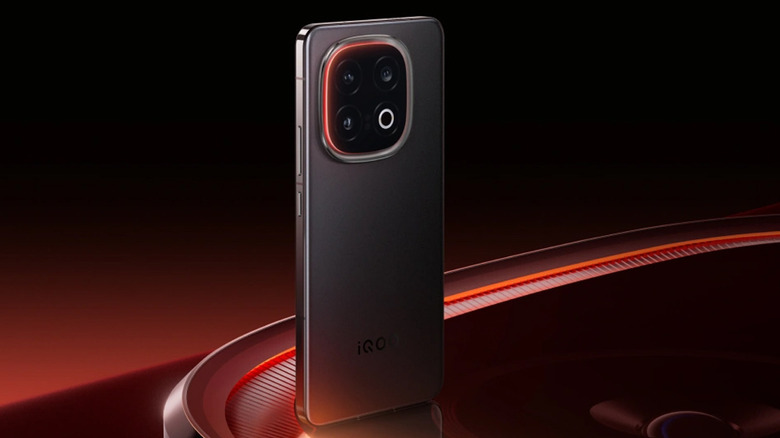
1. RedMagic 11 Pro Plus: The Emulation Powerhouse
For the hardcore enthusiast, the RedMagic 11 Pro Plus is widely considered one of the best android phones for nintendo switch emulation 2026 has to offer. While most flagships try to be "everything" devices, RedMagic focuses purely on sustained Snapdragon 8 Elite gaming performance.
The standout feature is the physical active cooling fan. While vapor chambers are common in premium phones, a physical fan moving air through the chassis is the only way to truly eliminate thermal throttling during a three-hour gaming session. This allows the Adreno GPU to stay at its peak frequency, ensuring that frame rate stability remains rock-solid even in open-world titles that would normally make a phone heat up.
Memory is another area where this device excels. With up to 24gb ram for emulation, the RedMagic 11 Pro Plus has enough headroom to store massive amounts of textures and shaders. This prevents the "memory leaks" or crashes that often plague devices with only 8GB or 12GB of RAM.
- Pros: Built-in active cooling, dedicated gaming mode switch, and massive 7,500 mAh battery.
- Cons: The aggressive aesthetic isn't for everyone, and the camera system is average compared to mainstream flagships.
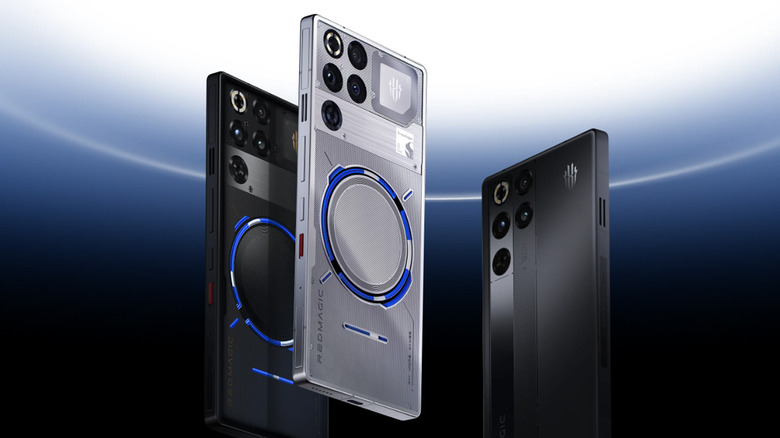
2. Samsung Galaxy S25 Ultra: The Premium All-Rounder
If you want a device that excels at gaming but also serves as a world-class daily driver, the Samsung Galaxy S25 Ultra is the best gaming phones choice for a balanced lifestyle. Samsung has optimized its version of the Snapdragon 8 Elite to play nicely with its One UI, providing a level of system stability that few others can match.
The real star here is the 6.8-inch Dynamic AMOLED display. For gamers, the vibrant colors and deep blacks make high-resolution upscaling look significantly better than it does on the Switch's 720p screen. When running the Eden emulator at 2x or 3x resolution, the clarity on the S25 Ultra is breathtaking.
Samsung has also improved its internal cooling, utilizing a significantly larger vapor chamber than previous generations. This helps manage the heat generated during intense sessions, though it may not match the sustained peaks of a phone with a physical fan. However, the samsung galaxy s25 ultra switch emulation performance is bolstered by excellent driver support, as Samsung works closely with Qualcomm to ensure the Adreno GPU drivers are always up to date.
- Pros: Incredible 1440p display, long-term software support, and a highly versatile camera system.
- Cons: Expensive price tag and slightly slower charging compared to Chinese rivals.
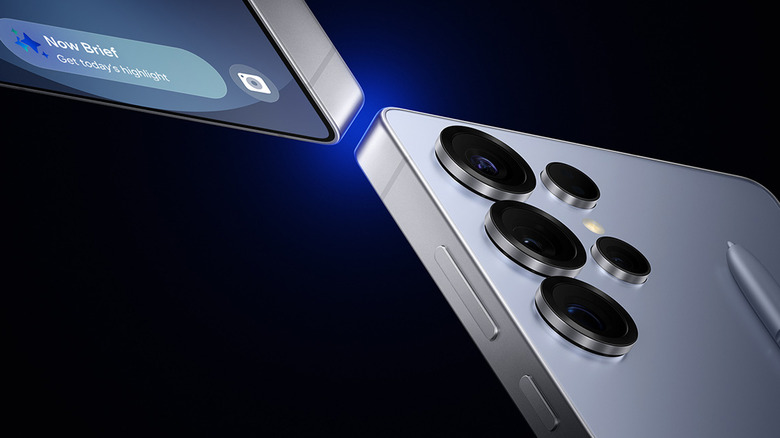
3. OnePlus 13: The Fast-Charging Contender
The OnePlus 13 has carved out a niche for gamers who hate being tethered to a wall. While the device offers top-tier Snapdragon 8 Elite gaming performance, its 100W fast charging is the real game-changer. You can go from a nearly dead battery to a full charge in under 30 minutes, which is essential when high-end emulation drains power quickly.
To keep the internals cool, OnePlus uses its second-generation Cryo-Velocity cooling system. This is one of the more advanced mobile cooling systems for high end android gaming, using aerospace-grade materials to whisk heat away from the processor. This helps in maintaining frame rate stability during long sessions of running nintendo switch games at 60fps on android.
- Pros: Exceptionally fast charging, clean software experience, and great haptic feedback for gaming.
- Cons: Lacks the physical gaming triggers found on dedicated gaming phones.
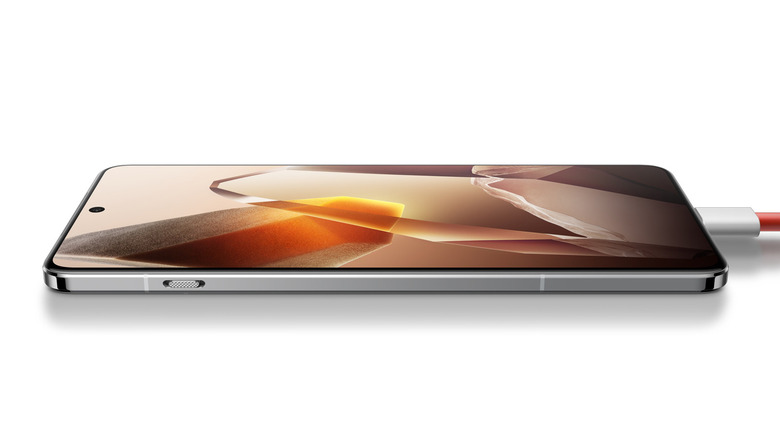
4. ROG Phone 10: The Pro Gamer's Choice
Asus has long been a leader in the gaming space, and the ROG Phone 10 continues that legacy. This phone is built from the ground up for people who take mobile gaming seriously. One of the biggest advantages is the memory bandwidth; it offers 77 GB/s of memory bandwidth, which is nearly triple the 26 GB/s found in the original Switch.
High memory bandwidth is crucial for asset streaming. In games with large, seamless worlds, the ROG Phone 10 can load textures and geometry far faster than the Switch, eliminating the "pop-in" effect. The device also supports a wide array of mobile gaming peripherals, including the AeroActive Cooler, which can be clipped onto the back to provide even more cooling power.
- Pros: Ultrasonic AirTriggers, dual USB-C ports for side-charging, and the best speakers on any smartphone.
- Cons: Very large and heavy, making it less comfortable for small hands.
Technical Pro-Tip: To get the most out of your ROG Phone or any Snapdragon 8 Elite device, ensure you are using Turnip drivers (version 25.3.0 or later). These custom drivers are optimized for the Adreno GPU and fix many of the graphical glitches found in standard system drivers.
5. Poco F7 Pro: The Best Value for Emulation
Not everyone wants to spend over a thousand dollars on a gaming handset. The Poco F7 Pro is the budget gaming phones for switch emulation answer for those who want flagship power without the flagship price. It typically uses a high-binned version of the latest Snapdragon silicon, ensuring that you aren't sacrificing the core power needed for emulation.
While it lacks some of the bells and whistles—like the ROG's triggers or the RedMagic's fan—it provides a 12GB RAM baseline and a high-resolution display that is more than capable of handling resolution upscaling. For players who mostly play 2D titles or less demanding 3D games, the Poco F7 Pro offers an unbeatable price-to-performance ratio.
- Pros: Incredible value for money, great screen brightness, and fast charging.
- Cons: Plastic frame feels less premium, and the software contains more bloatware than competitors.
Comparing the Top Contenders
| Phone Model | RAM Capacity | Battery Size | Cooling Type |
|---|---|---|---|
| RedMagic 11 Pro Plus | 24GB LPDDR5X | 7,500 mAh | Active Internal Fan |
| Samsung Galaxy S25 Ultra | 16GB LPDDR5X | 5,000 mAh | Large Vapor Chamber |
| OnePlus 13 | 16GB LPDDR5X | 5,400 mAh | Cryo-Velocity Vapor |
| ROG Phone 10 | 24GB LPDDR5X | 6,000 mAh | Passive (Active External) |
| Poco F7 Pro | 12GB LPDDR5X | 5,000 mAh | Standard Vapor Chamber |
The Secret Sauce: Turnip Drivers and Eden Emulation
Having the best hardware is only half the battle. To truly outperform the Switch, you need software that can harness that power. This is where the Eden emulator comes into play. Unlike earlier attempts at mobile emulation, Eden is designed to take full advantage of the Vulkan API and the multi-core architecture of the Snapdragon 8 Elite.
However, the real secret for enthusiasts is the use of Turnip drivers. Developed by the community, these drivers replace the stock Adreno GPU drivers provided by the manufacturer. They are specifically tuned to fix graphical glitches, such as flickering textures or broken lighting, which are common in complex emulation tasks. When you pair a Snapdragon 8 Elite with Turnip drivers, you unlock the ability to perform 3x resolution upscaling, making games look like modern 4K remasters rather than 2017 handheld titles.
One of the most difficult tasks for an emulator is shader compilation. This is the process of translating the game's graphical instructions into a format the phone's GPU can understand. High-end phones with high RAM bandwidth can handle this in the background, ensuring that your gameplay remains smooth and free of the "shader stutter" that often ruins the experience on lower-end devices.
FAQ
Which mobile processor is fastest for gaming?
The Snapdragon 8 Elite is currently the fastest mobile processor for gaming, featuring the second-generation Oryon CPU cores and the Adreno 840 GPU. It is specifically designed to handle the heavy computational load of console emulation and high-end mobile titles.
How much RAM is needed for high-end mobile gaming?
For modern mobile gaming and high-end emulation, 12GB of RAM is considered the minimum for a stable experience. However, 16GB or 24GB is highly recommended for sustained performance, as it provides more space for shader caches and prevents the system from closing background processes during intense gameplay.
Do gaming phones have better cooling systems?
Yes, dedicated gaming phones like the RedMagic series often include active cooling fans or specialized heat dissipation materials that allow the processor to run at maximum speed for longer periods. Regular flagships usually rely on passive vapor chambers, which are effective but can eventually lead to thermal throttling during very long sessions.
How important is screen refresh rate for gaming?
Screen refresh rate is very important for a smooth visual experience. Most high-end gaming phones offer 144Hz or even 165Hz displays. While most emulated games are capped at 30 or 60 FPS, a higher refresh rate reduces input latency and makes the general interface feel much more responsive.
Are dedicated gaming phones better than regular flagships?
Dedicated gaming phones are better if your primary priority is sustained performance and gaming-specific features like physical triggers and advanced cooling. However, regular flagships like the Samsung Galaxy S25 Ultra offer better cameras, more polished software, and a more pocket-friendly design, making them better for overall daily use.## FAQ
Which mobile processor is fastest for gaming?
The Snapdragon 8 Elite is currently the fastest mobile processor for gaming in 2026. Its architectural improvements, specifically the move to 3nm processing and the introduction of second-generation Oryon cores, allow it to maintain higher clock speeds and better efficiency than any other mobile chipset currently on the market.
How much RAM is needed for high-end mobile gaming?
For casual mobile gaming, 8GB is sufficient, but for high-end tasks like Nintendo Switch emulation on Android, 12GB is the recommended baseline. Power users should look for 16GB or 24GB of LPDDR5X RAM to ensure there is enough memory for shader compilation and high-resolution texture streaming without system crashes.
Do gaming phones have better cooling systems?
Yes, dedicated gaming phones prioritize thermal management over thinness. While a standard flagship might use a slim vapor chamber, a gaming phone like the RedMagic 11 Pro Plus uses an internal active fan. This allows the device to dissipate heat much faster, preventing the performance drops associated with thermal throttling.
How important is screen refresh rate for gaming?
Screen refresh rate is critical for reducing input lag and providing a fluid visual experience. While many console ports are locked at 30 or 60 FPS, having a 120Hz or 144Hz display ensures that the phone's touch sampling rate is higher, resulting in more responsive controls during fast-paced action.
Are dedicated gaming phones better than regular flagships?
It depends on your priorities. Dedicated gaming phones offer superior sustained performance, better cooling, and gaming-specific hardware like triggers. However, regular flagships usually provide a better camera system, more refined software, and a more professional aesthetic that fits better in a corporate environment.