Our Top Picks
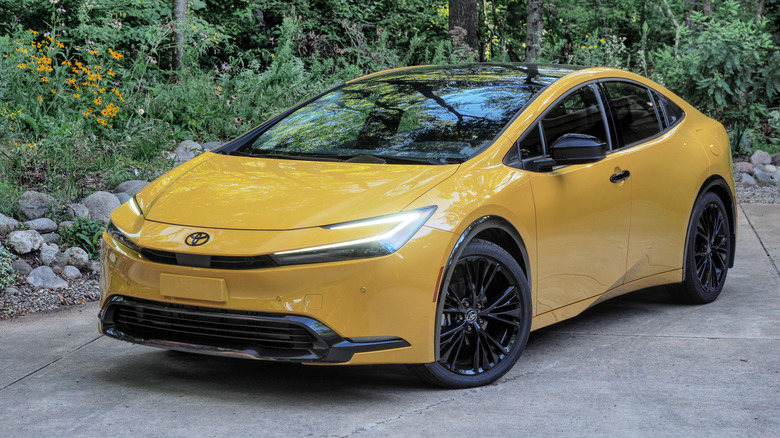
The 2025 Toyota Prius is widely considered the best value hybrid today, offering an EPA-estimated 57 MPG on the LE trim while starting at just $28,350. It balances 194-196 horsepower with Toyota Safety Sense 3.0, making it a safe, fun, and ultra-efficient daily driver. For those seeking the ultimate blend of efficiency and aesthetics, this fifth-generation hybrid system sets the benchmark for the modern era.
The 2025 Toyota Prius isn't just a fuel-sipper anymore; it's a style icon. In this 2025 Toyota Prius review, we analyze whether the fifth-generation hybrid powertrain and aerodynamic wedge silhouette deliver enough value to beat the competition. With a starting price under $30,000 and up to 57 MPG, the Prius remains a dominant force, but trade-offs in cargo capacity and interior ergonomics deserve a closer look.
Efficiency and Performance: Real-World Expectations
At the heart of the 2025 Toyota Prius is the 2.0-liter four-cylinder engine, part of the advanced M20A-FXS family. This engine works in tandem with a more powerful electric motor to deliver a combined output of 194 horsepower for the front-wheel-drive variants. This is a significant jump from previous generations, transforming the Prius from a sluggish commuter into a vehicle that can confidently merge into highway traffic and handle urban maneuverability with ease.
While the lab numbers are impressive, real world mpg results often vary based on driving style and environmental factors. The base LE trim, equipped with 17-inch wheels, achieves a remarkable EPA-estimated fuel economy of up to 57 mpg combined. However, if you opt for the higher trims like the XLE or Limited, which come with 19-inch wheels, that number drops to 52 MPG. Some enthusiasts have noted that using 91-octane fuel can slightly improve responsiveness, though the car is designed to run perfectly on regular 87-octane.
The driving experience is further refined by a well-tuned regenerative braking system. Unlike older hybrids that often felt "grabby" when coming to a stop, the 2025 model provides a much more linear pedal feel. The transition between electric regeneration and mechanical braking is nearly seamless, contributing to a smoother ride during stop-and-go eco-friendly commuting.
| Configuration | Drivetrain | Wheel Size | EPA Combined MPG |
|---|---|---|---|
| LE | FWD | 17-inch | 57 MPG |
| LE | AWD | 17-inch | 54 MPG |
| XLE / Limited | FWD | 19-inch | 52 MPG |
| XLE / Limited | AWD | 19-inch | 49 MPG |
AWD vs. FWD: Is the Extra Traction Worth It?
For those living in the "Snow Belt" or anyone who simply wants a bit more "oomph" off the line, the 2025 Toyota Prius AWD specs are worth a deep dive. Adding the electronic all-wheel-drive system costs an additional $1,400. This setup adds a dedicated electric motor to the rear axle, which bumps the total system output to 196 horsepower.
Is the 2025 Toyota Prius AWD worth the extra cost? For many, the answer is yes. Beyond the obvious traction benefits on slippery roads, the rear motor helps the car feel more planted. Because the battery and the additional motor are positioned low in the chassis, the car maintains a low center of gravity. This translates to better handling through corners and a more composed feel on the highway.
The penalty for this extra grip is minor, usually costing only 2 to 3 MPG depending on the trim level. For urban dwellers who face rainy or icy winters, the peace of mind offered by the AWD system typically outweighs the slight dip in 2025 Toyota Prius fuel economy.
Interior Design: Style vs. Cargo Capacity
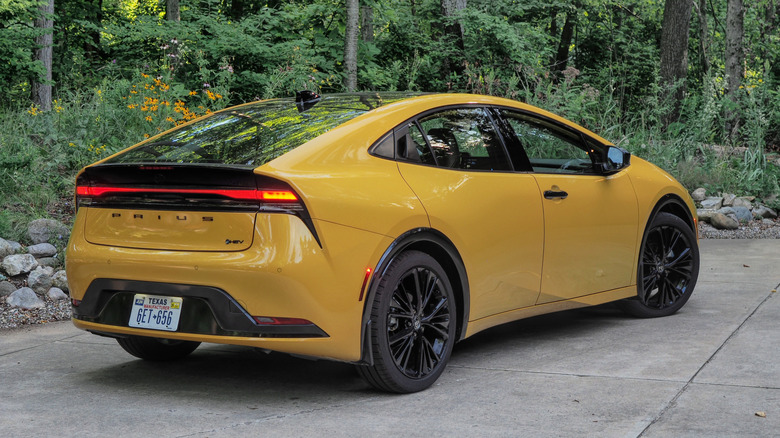
The most dramatic change in the fifth-generation Prius is the aerodynamic wedge silhouette. It is undeniably striking, making the Prius one of the best-looking cars in its class. However, this beauty comes with a practical price tag regarding utility. The 2025 Toyota Prius cargo capacity vs previous generation has seen a notable reduction. The sleek, sloping roofline brings the cargo volume down to approximately 20.3 cubic feet in the XLE and Limited trims, compared to the 27.4 cubic feet found in some older models.
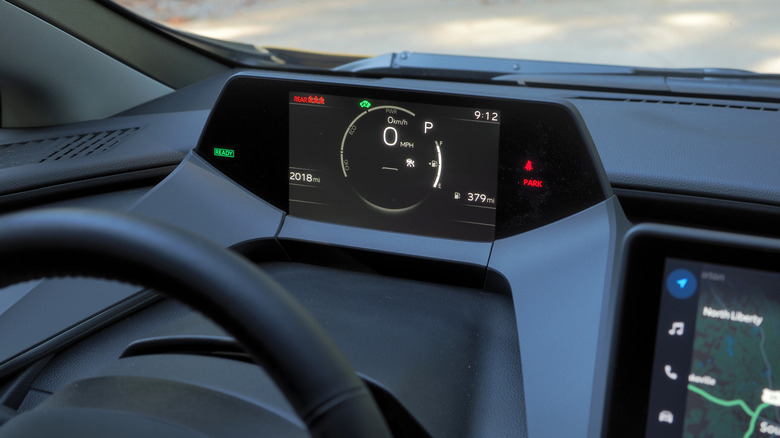
Inside, the cabin feels modern and driver-centric. Toyota has moved away from the centrally mounted dashboard of the past, opting for a digital gauge cluster positioned directly behind the steering wheel. While this is meant to keep information in the driver's line of sight, some drivers may find that the top of the steering wheel rim partially obscures the screen depending on their seating position.
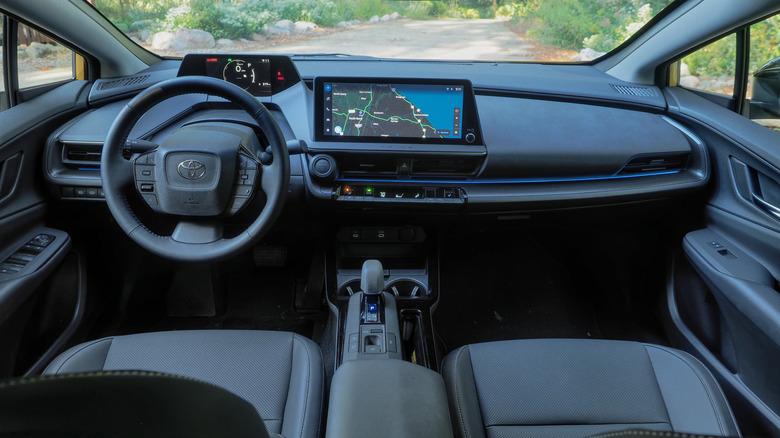
Despite the digital shift, Toyota wisely retained physical climate controls. This is a massive win for ergonomics, as you don't have to dig through touchscreen menus just to adjust the temperature. The materials have also improved, with the XLE and Limited trims featuring SofTex synthetic leather that feels premium and is easy to clean.
Trim Level Breakdown: Finding the Sweet Spot
Choosing between the 2025 Toyota Prius trim levels requires balancing your budget against your desire for creature comforts. Toyota offers three primary tiers: LE, XLE, and Limited. There is also the Nightshade Edition, which adds a darker, more aggressive look with black exterior accents.
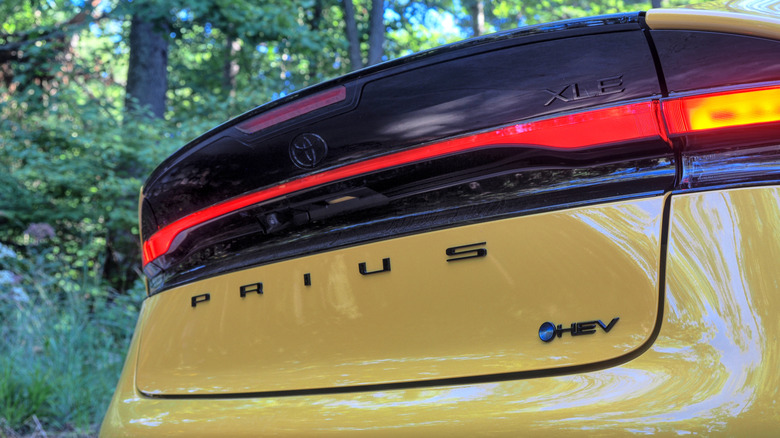
2025 Toyota Prius LE vs XLE trim value comparison
- LE Trim Pros:
- Lowest starting manufacturer's suggested retail price (MSRP) of $28,350.
- Best fuel economy in the lineup (57 MPG).
- 17-inch wheels provide a slightly softer ride on rough pavement.
- LE Trim Cons:
- Fabric seats instead of synthetic leather.
- Fewer tech features (no rain-sensing wipers or heated seats).
- XLE Trim Pros:
- Adds heated front seats and a power driver’s seat.
- Includes wireless smartphone charging.
- Keyless entry on all doors.
- XLE Trim Cons:
- 19-inch wheels look better but drop fuel economy to 52 MPG.
- Higher starting price (approximately $32,000).
For most buyers, the XLE represents the "sweet spot" of the range, offering a more premium interior without the high price tag of the Limited. However, if your primary goal is the highest possible gas mileage, the LE is the clear winner. If you want to stand out, the Mustard Yellow exterior color is a bold choice that perfectly complements the car's new shape.
Safety and Tech: Toyota Safety Sense 3.0
Safety remains a cornerstone of the Prius identity. Every model comes standard with Toyota Safety Sense 3.0 features in 2025 Prius. This comprehensive suite includes a Pre-Collision System with Pedestrian Detection, Lane Departure Alert with Steering Assist, and Full-Speed Range Dynamic Radar Cruise Control.
The technology extends to connectivity as well. The 2025 model features wireless smartphone integration for both Apple CarPlay and Android Auto. In our testing, the 8.0-inch standard screen (and the optional 12.3-inch screen on higher trims) was responsive and clear. The inclusion of Proactive Driving Assist—which provides gentle braking into curves or behind other vehicles—adds an extra layer of security during daily commutes.
Comparing the Toyota Prius hybrid vs Prius Prime 2025 comparison is also relevant here. While the standard hybrid reviewed here is easier for those who cannot charge at home, the Prius Prime offers a plug-in option for those who want to drive on pure electricity for short trips. However, for sheer value and "get in and go" simplicity, the standard hybrid is hard to beat.
FAQ
Is the 2025 Toyota Prius worth buying?
Yes, the 2025 Toyota Prius is highly worth buying for anyone prioritizing fuel efficiency, safety, and modern styling. With its updated powertrain and competitive starting price, it remains the gold standard for non-plug-in hybrids.
What is the gas mileage of the 2025 Toyota Prius?
The gas mileage varies by trim. The LE front-wheel-drive model leads the pack with 57 MPG combined. The XLE and Limited trims, which use larger wheels, achieve 52 MPG combined, while all-wheel-drive models range between 49 and 54 MPG.
How much does the 2025 Toyota Prius cost?
The 2025 Toyota Prius starts at a manufacturer's suggested retail price (MSRP) of $28,350 for the LE trim. The mid-range XLE starts around $32,000, and the top-tier Limited trim starts near $36,000.
Does the 2025 Toyota Prius come in all-wheel drive?
Yes, all-wheel drive is available on all trim levels for an additional $1,400. This system uses a secondary electric motor to power the rear wheels, providing better traction in slippery conditions.
What are the main changes for the 2025 Toyota Prius?
The main changes for 2025 include the introduction of the Nightshade Edition with blacked-out trim and 19-inch wheels, along with minor interior refinements. It continues to build on the radical redesign of the fifth generation, maintaining the high-efficiency 2.0-liter hybrid powertrain.